toojuice
For parents and caregivers of young children seeking introductory foreign language exposure through interactive digital tools.
 Gus on the Go: Spanish





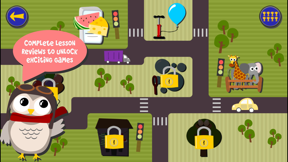
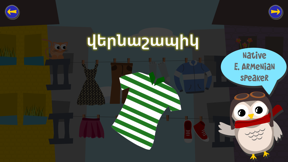
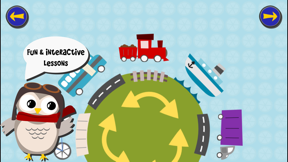



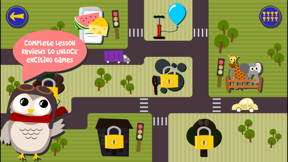

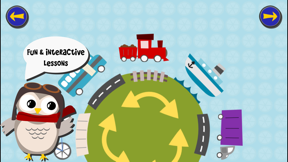



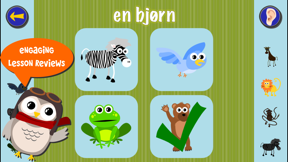




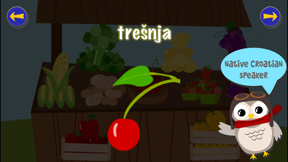



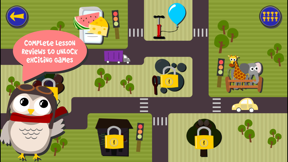




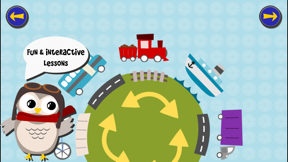


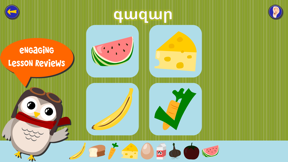
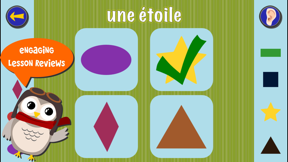
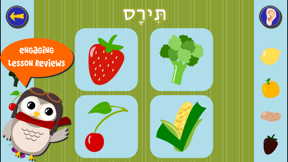


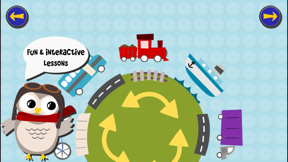

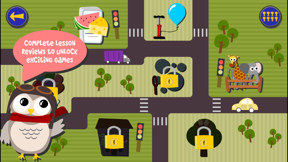
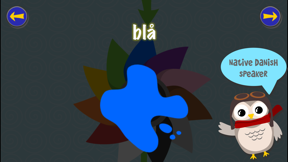





Snapshot
Who is toojuice?
Helping young children acquire foundational language skills through interactive storytelling and gamified vocabulary lessons.
Target audience


Portfolio
Free 2Last updated

Gus on the Go: Spanish
v3.0.0
6mo ago
Publisher DNA
What defines toojuice?
Publisher DNA
Primary focus
Children's language education apps
Scale
indie
Target audience
Parents and caregivers of young children seeking introductory foreign language exposure through interactive digital tools.
Signature Patterns
- •Premium pricing model with a single upfront payment and no in-app purchases.
- •Consistent use of 'Gus on the Go' branding and character-led instruction across titles.
- •Focus on basic vocabulary categories including numbers, colors, and shapes.
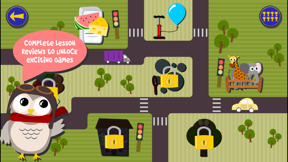
- •Integration of native audio and gamified review mechanics to reinforce lessons.
Portfolio momentum
The publisher maintains a small portfolio with one update in the last six months, focusing on sustaining existing titles rather than rapid expansion.
Portfolio
What does toojuice ship?
Apps
29 apps analysed

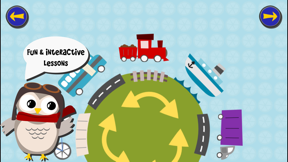
The application provides a high quality and helpful experience for young children learning languages
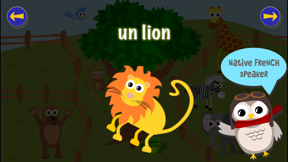
- Native French speakers confirm the pronunciation accuracy is perfect for early language learners
- The limited volume of stories causes children to exhaust the entire content library quickly

Analysis in progress

Analysis in progress

Analysis in progress

Distributed across 12 markets, strongest in Europe.
Based on 6 of 29 apps with localized market data, more coverage rolling in as scans complete · last scanned .
Americas (3)
- Brazil6 / 6
- Mexico6 / 6
- United States6 / 6
Europe (7)
- France6 / 6
- Germany6 / 6
- Italy6 / 6
- Netherlands6 / 6
- Portugal6 / 6
›+2 more europe markets
- Spain6 / 6
- Sweden6 / 6
Asia-Pacific (2)
- Japan6 / 6
- South Korea6 / 6
Core markets (6/6 apps)
User Sentiment
How do users feel about their apps?
1
Positive apps
0
Neutral / mixed
0
Negative apps
85/100
Avg sentiment score
Rivals
Who does toojuice compete with?
The rivals identified
Nemeses(7)


Both apps compete for the same language-learning audience, though Duolingo captures a broader demographic through its freemium model and gamified retention loops that compete for daily learning time.


Targets language learners with a speaking-first curriculum that complements the vocabulary focus of the source app.


Users report: Both apps target children and beginners for German vocabulary acquisition through gamified, visual, and audio-based exercises.


Both apps target language learners, with Ling competing for the same Tagalog-interested users via a broader, freemium-based language catalog.


Both apps target Danish language learners, with Learn Danish: For Beginners capturing the entry-level market through a free, offline-accessible curriculum that directly competes with the paid model of Gus on the Go: Danish.


Users report: Both apps target children learning languages, creating direct competition for parents seeking early-childhood educational tools. The overlap in pedagogical goals forces a choice between a single-purchase app and a subscription-based library.


Both apps compete for the same audience of children learning English vocabulary through gamified lessons and interactive content.
Contenders(23)


Focuses on vocabulary acquisition through visual association, sharing the core learning goal but targeting a broader age range.


Both apps compete for language learners by offering vocabulary-focused lessons, though they target different age groups and pedagogical styles.


Both apps target Danish language acquisition for beginners, creating direct competition for users seeking entry-level vocabulary and grammar tools.


Both apps compete for the same Danish language learners by providing vocabulary-focused educational content. They overlap in their core utility of teaching basic words through audio-assisted lessons.


Both apps target Danish language learners, competing for the same beginner audience through vocabulary-focused tools.


Users report: Both applications target children with interactive English language lessons, creating direct competition for parents seeking early childhood education tools.


Both apps target Greek language learners, with Gus on the Go: Greek focusing on gamified vocabulary for children and Greek Course For Beginners offering a structured course from basic to advanced levels.


Both apps compete for users seeking Danish vocabulary acquisition, creating direct overlap in the language learning category.


Users report: Both apps target Greek language learners, with Gus on the Go: Greek focusing on gamified education for children and Learn Greek Phrases & Words targeting travelers with phrase-based practice.


Both apps target Danish language learners, though they serve distinct use cases: Gus on the Go focuses on gamified child education, while Learn Danish Language provides a static, offline phrasebook for travelers.


Both apps target Greek vocabulary acquisition through gamified interfaces and audio support. They compete for the same user base seeking self-directed language learning tools.


Users report: Both apps target children learning English vocabulary through gamified lessons and interactive activities. They compete directly for the same demographic of early language learners.


Both apps target preschoolers with gamified English vocabulary lessons, creating direct competition for parents seeking early childhood language education.


Both apps target Danish language learners, though they diverge in pedagogical approach and target demographic. They compete for the same user base seeking to build vocabulary and language proficiency.


Users report: Both apps target children learning English vocabulary through gamified lessons, creating direct competition for parents seeking early language education.


Both apps compete for the same Greek language learners, forcing users to choose between vocabulary acquisition and alphabet mastery.


Users report: Both apps target children learning Danish, with the rival focusing on character writing while Gus on the Go: Danish provides a broader vocabulary curriculum.


Users report: Both apps target children learning English vocabulary through interactive environments and shared topic categories like numbers and colors.


Both apps compete for German language learners, though they target distinct proficiency levels: Gus on the Go: German focuses on children learning basic vocabulary, while Readle serves learners seeking real-world news immersion.


Both apps compete for the German language learning segment by offering distinct pedagogical approaches to vocabulary acquisition.


Users report: Both applications target children learning Greek, competing for the same parent-purchaser demographic through interactive educational content.


Users report: Both apps target children learning English vocabulary, creating direct competition for parents seeking early language education tools.


Users report: Both apps target children aged 4 to 9 for English language acquisition through gamified activities. They compete for the same demographic by substituting traditional lessons with interactive play.
Same space(54)


Kiddopia targets the same preschool demographic as Gus on the Go but utilizes licensed IP to drive engagement.


ABCmouse offers a comprehensive, research-based curriculum for early childhood that serves as a larger-scale alternative to Gus on the Go.


Serves the same early childhood education segment but uses conversational AI rather than static vocabulary lessons.


Provides a structured, Montessori-aligned curriculum that competes for the same parent segment seeking educational tools.


Provides a non-profit, free educational platform that competes for the same early-childhood learning time.


SplashLearn competes for the same early-learning demographic by using adaptive paths to maintain engagement across math and reading.


Focuses on early literacy through a co-play model that targets the same parent-child learning dynamic.


AdaptedMind Math targets the same early-learning segment but focuses on adaptive math paths rather than language vocabulary.


Airlearn occupies the same multi-language space but uses gamified leagues and cognitive training to sustain long-term user engagement.


cabuu competes for the same language-learning audience by integrating directly with school textbooks to solve specific student pain points.


Epic competes for the same young demographic by providing a massive digital library that serves as a broader educational utility.


Pingo AI targets the speaking-practice gap in Gus on the Go by providing real-time, conversational AI interaction for learners.


Keiki provides an ad-free early childhood environment that serves as a screen-time alternative for the same age demographic as Gus on the Go.


Busuu provides a social-academic language learning environment that complements Gus on the Go by adding human-led community feedback.


known for Tracing letters and numbers
Tracing letters and numbers targets the same preschool age group as Gus on the Go, focusing on handwriting rather than Greek vocabulary.


Targets the same early childhood demographic with a broader, content-heavy library of interactive games and shows.


Targets language learners with a structured curriculum, though focused on ASL rather than Filipino.


Fluza targets the same language-learning space but focuses on conversational fluency through AI-powered speaking practice rather than basic vocabulary.


Think!Think! targets the same early-learning segment by focusing on critical thinking and problem-solving through puzzle-based games.


Lexiraki provides a more granular approach to Greek language learning, specifically targeting declensions and verb tenses for older learners.


Vocabulary Builder serves as a direct competitor for vocabulary acquisition, offering an offline-first experience similar to Gus on the Go.


Provides a simpler, foundational vocabulary matching experience for the same early childhood age group.


Reading Eggs competes for the same young learner demographic by bundling multiple subjects into a single subscription-based platform.


Uses AI to personalize language learning, offering a modern alternative for users interested in Asian languages.


Busuu expands language learning beyond solo play by integrating a community feedback loop for pronunciation.


Nature for Kids uses visual flashcards to teach natural science, serving as a simpler, content-specific alternative to Gus on the Go.


Learna offers an AI-driven conversation practice that serves older language learners compared to the preschool focus of Gus on the Go.


DW Learn German offers a more comprehensive, free curriculum for the same language.


MemoryLingo targets the same casual language learner by focusing on word and sentence memorization.


Moose Math provides a standards-aligned math curriculum for the same age group as Gus on the Go.


WordPal focuses on high-frequency vocabulary building for older learners, contrasting with the gamified map-based approach of Gus on the Go.


ELSA Speak targets professional English communication via AI, contrasting with the child-focused vocabulary lessons in Gus on the Go.


FunEasyLearn offers a broader language catalog than Gus on the Go, targeting the same family-oriented, multi-lingual learning demographic.


Edudi provides an offline-first educational environment for preschoolers, offering a functional alternative for travel-based learning.


Parlini Land competes for the same early childhood audience by offering a broad, all-in-one educational environment for toddlers and preschoolers.


Lamsa offers bilingual early childhood education in Arabic and English, providing a broader cultural scope than the English-only Gus on the Go.


First Letters focuses on early phonics and letter recognition, providing a more granular literacy tool than the vocabulary-focused Gus on the Go.


Flashcards: Learn Languages provides a more utilitarian, customizable approach to vocabulary memorization than the thematic maps in Gus on the Go.


Offers a free, gamified alternative for children's educational content that overlaps with the target demographic.


Memrise serves as a more advanced, immersion-focused alternative for learners moving beyond the basic vocabulary building of Gus on the Go.


Mondly targets the same language-learning audience but uses AI chatbots to simulate real-world conversation practice.


Directly competes in the Danish market by offering a broader suite of educational subjects including math and English.


Users report: Offers a similar gamified language learning experience for children but focuses on different target languages.


Endless Learning Academy provides a comprehensive early childhood curriculum that covers more subjects than the vocabulary-focused Gus on the Go.


phase6 targets the same vocabulary-building audience but aligns its content specifically with German schoolbooks.


Owee targets the same early childhood education market but emphasizes deep conceptual learning over the vocabulary-drilling approach of Gus on the Go.


Sound Touch competes for the same toddler vocabulary-learning demographic, using a similar quiz-based flashcard mechanism.


Starfall provides a nonprofit, research-based reading curriculum that serves as a high-trust alternative to commercial apps like Gus on the Go.


Tappity provides science-focused education with 1:1 instructor interaction, serving as a specialized alternative to the language-learning focus of Gus on the Go.


Teach Your Monster to Read focuses on phonics-based literacy games, offering a more specialized reading tool than the vocabulary-focused Gus on the Go.


Leverages popular IP to provide a massive educational content hub for the same early-childhood age group.


Users report: Ancient Greece For Kids targets the same cultural interest area as Gus on the Go but focuses on history and mythology rather than language.


Math Makers targets the same early childhood age group but focuses on logic-based math puzzles.


Focuses on early language development through expert-designed activities, serving as a specialized tool for the same age demographic.
New entrants(1)


Pinu shares the same gamified, map-based navigation structure as Gus on the Go for language learners.
The Analyst's Read
The bottom line on toojuice
Bottom line
toojuice is a specialized indie publisher with a clearly defined niche in premium early-childhood language learning. Their disciplined focus on a character-led brand and a non-subscription model provides a distinct alternative to larger, ad-supported or recurring-revenue education platforms.
Frequently asked questions
How many apps does toojuice publish?
What kind of apps does toojuice make?
What is toojuice's top app?
In how many countries are toojuice's apps available?
What fed this analysis
- Apps analyzed:
- 2
- With full intel:
- 0
- With overview:
- 2
- Website scraped:
- yes
- Social presence:
- yes