
trauma and pain management services pty
For individuals seeking self-managed relief from anxiety, chronic pain, and insomnia, as well as users interested in AI-assisted spiritual self-discovery.
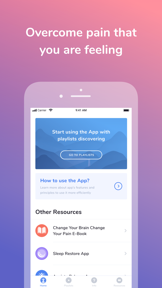
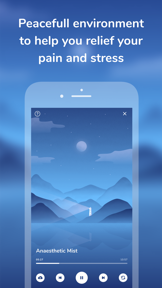
 Anxiety Release based on EMDR








Snapshot
Who is trauma and pain management services pty?
Providing clinical-adjacent psychological tools and AI-driven spiritual guidance to help users manage anxiety, chronic pain, and sleep disruption.
Target audience


Portfolio
Free 1Last updated

Anxiety Release based on EMDR
v1.2.7
4.6y ago
Publisher DNA
What defines trauma and pain management services pty?
Publisher DNA
Primary focus
Clinical-adjacent mental health and spiritual wellness tools
Scale
indie
Target audience
Individuals seeking self-managed relief from anxiety, chronic pain, and insomnia, as well as users interested in AI-assisted spiritual self-discovery.
Origin
Founded by Australian psychologist Mark Grant to provide evidence-based EMDR and BLS strategies via mobile platforms.
Signature Patterns
- •Heavy reliance on Bilateral Stimulation (BLS) and EMDR principles across therapeutic titles
- •Mixed monetization models including one-time paid purchases and freemium tiers
- •Recent integration of AI-driven features and spiritual frameworks like Human Design
- •Focus on high-intent, clinical-adjacent health categories rather than broad-market fitness
Portfolio momentum
Maintained a steady development cadence with 3 updates across 4 apps in the last 6 months, indicating active maintenance of the current portfolio.
Company profile
medium confidence- Headquarters
- Australia
- Founded
- 2013
Portfolio
What does trauma and pain management services pty ship?
Apps
4 apps analysed
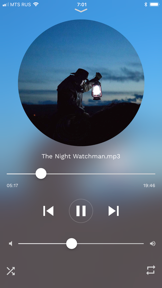
Specialized BLS audio functions as a high-intent utility for crisis management
- Bilateral stimulation audio tracks provide effective relief for anxiety and panic symptoms
- Poor audio quality and distracting voiceovers break the immersion during therapeutic sessions

Your personal and spiritual development coach: astrology, tarot, Human Design.


High initial user satisfaction (4.88 rating on iOS)
- Unique integration of clinical EMDR-based BLS techniques with spiritual content

Author-led scientific authority builds trust with pain-management segments
- Empathetic and soothing voice narration provides genuine relief for complex trauma symptoms
- Frequent application crashes during meditation playback disrupt the user experience and recovery process

The questionnaire-based recommendation engine helps users identify the most effective audio content for their needs
- Auditory bilateral stimulation tracks provide effective relief for users managing anxiety and sleep disturbances
- Frequent application crashes during playback prevent users from completing their intended sleep or relaxation sessions
Single-market publisher, every app ships only to United States.
Based on 1 of 4 apps with localized market data, more coverage rolling in as scans complete · last scanned .
Americas (1)
- United States1 / 1
Core markets (1/1 apps)
User Sentiment
How do users feel about their apps?
1
Positive apps
2
Neutral / mixed
0
Negative apps
58/100
Avg sentiment score
Unlock the app dragging this portfolio down.
Access the full report for freeRivals
Who does trauma and pain management services pty compete with?
The rivals identified
Nemeses(3)


Dominates the sleep-aid market with a massive user base and long-standing focus on sound-based sleep induction, directly overlapping with the target's goal of stress-related sleep restoration.


Both apps target users seeking self-guided mental health support, with MindDay's structured CBT programs competing directly for the same audience looking for clinical-style anxiety management tools.


Both applications target users seeking personalized mental health support and stress reduction, forcing a choice between clinical-adjacent bilateral stimulation techniques and habit-forming coaching loops.
Contenders(15)

known for Heal EMDR: Self-Guided Therapy
Both applications utilize bilateral stimulation techniques to address trauma and anxiety, creating direct competition for users seeking evidence-based mental health tools.

known for Trauma Healing Academy
Both applications target individuals seeking trauma recovery and emotional regulation, creating a direct overlap in the mental health and wellness market.


Both applications target nervous system regulation and stress management, competing for users seeking immediate relief from anxiety through science-backed protocols.


Focuses heavily on the hardware-integrated tracking experience, competing for the same 'sleep improvement' user intent.


Both applications target users seeking nervous system regulation and anxiety management through clinical, non-pharmacological methods.


A direct competitor in the sleep-tracking space that combines soundscapes with AI-driven sleep analysis.


Both applications target individuals seeking emotional regulation and mental well-being, competing for users who prioritize personalized guidance over generic mindfulness content.


Both applications target nervous system regulation and anxiety management, competing for the same user base seeking clinical-adjacent wellness tools.


Both applications target the acute stress-relief market by utilizing bilateral stimulation as the primary mechanism for physiological regulation.


Both applications target users managing anxiety, competing for the same wellness-focused audience through distinct approaches to stress regulation.


Both applications target users seeking AI-driven spiritual coaching and mental wellness, creating direct competition for the same personal development audience.


Both apps target individuals seeking clinical-grade anxiety management, forcing a choice between the one-time purchase of bilateral stimulation audio and a recurring subscription for habit-change curriculum.


Both apps target individuals seeking self-guided anxiety management through somatic grounding techniques, creating direct competition for users evaluating different therapeutic modalities.


Both applications target individuals seeking evidence-based mental health support, with Calm and Confident using neuroscientific BLS techniques and The MiCBT Guide utilizing clinical psychometric scales for progress tracking.


Both apps target the anxiety management market, with Anxiety Release focusing on EMDR-based bilateral stimulation and WorryTree utilizing CBT-based journaling. They compete for users seeking non-clinical, self-help tools for immediate anxiety relief.
Same space(31)

MindShift CBT provides a free, evidence-based toolkit that competes with the source app's clinical focus while offering community features.


Ally utilizes insurance reimbursement pathways to secure a clinical-first position that the source app lacks.


Awarefy offers AI-driven cognitive behavioral therapy tools that provide a more interactive alternative to the source app's manual logs.


Calm serves the broader meditation market, acting as a high-production alternative to the specialized neuroscientific approach of Calm and Confident.


A massive meditation platform that captures the stress-reduction audience, though it is broader than the target's niche.


7Mind targets the same stress-relief audience with scientifically-backed exercises, competing for the user's daily habit formation.


Aura provides a personalized wellness experience that competes for users seeking tailored mental health support.


Provides a data-driven tracking layer for chronic pain that complements the source app's therapeutic audio content.


Dare provides an evidence-based training program for anxiety that competes for the same stress-management audience.


Uses audio-based frequency technology to manage pain, serving as a direct functional alternative to the source app's BLS audio tracks.


Buddhify focuses on situational mindfulness, offering a context-specific alternative to the neuroscientific approach of Calm and Confident.


Targets the same mental health user base with short daily exercises for intrusive thoughts rather than the source app's EMDR audio.


Aura targets the same anxiety-relief audience with a minimalist, haptic-focused approach that avoids the clinical intensity of EMDR.


Wisdom Wellbeing serves as a gated B2B portal for employee mental health, contrasting with the direct-to-consumer model of Calm and Confident.


Harmony uses self-hypnosis to achieve similar confidence-building goals as Calm and Confident.

known for
Headspace captures the same wellness audience through a broader range of daily mindfulness tools and meditation content.


Headspace competes for the same mental wellness audience by shifting toward clinical integration and insurance-backed care, contrasting with the spiritual focus of Calm and Confident.


HypnoBox offers customizable hypnosis sessions for sleep and anxiety, providing a modular alternative to the guided meditations of Calm and Confident.


Kozy offers a conversational AI companion for anxiety relief, mirroring the AI-assisted guidance model of Calm and Confident.


NEUROFIT focuses on nervous system regulation through somatic exercises, offering a physiological approach to the same stress-management goals.


Breethe targets the same stress-relief segment but uses hypnotherapy and AI guidance as its primary conversion mechanism.


Rootd addresses the same anxiety-relief market but focuses on clinical-grade, in-the-moment panic attack support.


Smiling Mind provides a psychologist-designed mental fitness model that serves as a free, accessible resource for the same target audience.


Activations competes for the same personal growth audience by using science-backed audio experiences to rewire mindsets.


Ash uses AI to provide personalized mental health support, directly challenging the source app's static methodology.


The Tapping Solution uses specialized EFT tapping sequences to provide a distinct, actionable alternative for users seeking specific symptom relief.


The Way offers a linear Zen-based meditation path that serves as a focused alternative to the AI-driven spiritual coaching of Calm and Confident.


Serene focuses on CBT-based self-tests and courses, providing a structured alternative for users seeking diagnostic-style mental health tracking.


Provides a government-backed clinical alternative for chronic pain that focuses on psychological tools similar to the source app.


Waking Up appeals to the same personal development demographic but prioritizes philosophical and non-dual theory over the bilateral stimulation techniques used by Calm and Confident.


Wim Hof Method provides a physical, science-backed approach to stress management that complements the mental focus of Calm and Confident.
The Analyst's Read
The bottom line on trauma and pain management services pty
Bottom line
The publisher is a specialized player leveraging clinical psychological protocols to maintain a foothold in the mental health category. Their long-term viability depends on successfully migrating legacy clinical credibility into the high-growth AI wellness and spiritual guidance sector.
Frequently asked questions
How many apps does trauma and pain management services pty publish?
What kind of apps does trauma and pain management services pty make?
What is trauma and pain management services pty's top app?
In how many countries are trauma and pain management services pty's apps available?
What fed this analysis
- Apps analyzed:
- 4
- With full intel:
- 4
- With overview:
- 4
- Website scraped:
- yes
- Social presence:
- no