


Braly
For beginners, hobbyists, and casual users interested in digital art, anime-style sketching, and personalized mobile aesthetics.
 Artrace: AR Drawing & Sketch


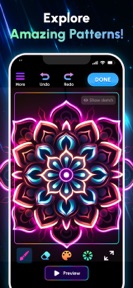


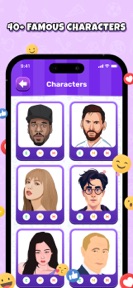


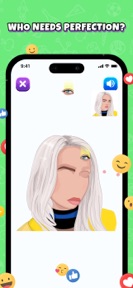


Snapshot
Who is Braly?
Providing accessible AR-based drawing tools and creative utilities for casual users. Enabling artistic expression through mobile camera technology.
Target audience


Portfolio
Free 20Last updated

Artrace: AR Drawing & Sketch
v1.9.55
6mo ago
Publisher DNA
What defines Braly?
Publisher DNA
Primary focus
Graphics & Design tools with AR integration
Scale
indie
Target audience
Beginners, hobbyists, and casual users interested in digital art, anime-style sketching, and personalized mobile aesthetics.
Signature Patterns
- •Heavy reliance on AR camera-based interfaces for creative tasks
- •Freemium monetization model across the majority of the portfolio
- •Focus on step-by-step guidance for amateur artists
- •High-frequency update cadence across all active titles
Portfolio momentum
Released 40 updates across 6 apps in the last 6 months, indicating a high-frequency development cycle focused on rapid iteration.
Portfolio
What does Braly ship?
Apps
20 apps analysed

- Realistic vibration feedback in the razor simulation
- Limited sound categories and offline stability

Analysis in progress

Analysis in progress
Unleash your inner artist! Artrace: AR Easy Draw for Limitless Creativity

- Versatile model architecture broadens addressable use-case surface
Americas-centric footprint across 6 markets.
Based on 11 of 20 apps with localized market data, more coverage rolling in as scans complete · last scanned .
Americas (3)
- United States11 / 11
- Brazil2 / 11
- Mexico2 / 11
Europe (1)
- France1 / 11
Asia-Pacific (2)
- India2 / 11
- Indonesia2 / 11
Core markets (11/11 apps)
User Sentiment
How do users feel about their apps?
5
Positive apps
0
Neutral / mixed
0
Negative apps
74/100
Avg sentiment score
Rivals
Who does Braly compete with?
The rivals identified
Nemeses(10)


Targets the niche interest of anime sketching using AR guidance to bridge the skill gap.


Both applications target the free digital drawing and creative expression segment on mobile devices, competing for users seeking accessible art tools.


Targets the niche interest of anime sketching using AR guidance to bridge the skill gap.


Both apps target individuals seeking to improve drawing skills through freemium mobile tools, forcing a choice between AR-based physical tracing and structured digital lessons.


Both apps target casual users seeking creative relaxation through touch-based glowing art and particle effects.


The leading third-party GPT wrapper that competes directly on the 'ask anything' and 'instant answers' value proposition.


This app is a direct competitor because it targets the exact same user intent of providing a soundboard for pranks and social disruption.


Both applications target the same social media trend by providing free, ad-supported tools for creating viral Time Warp Scan visual effects.


The primary source of the underlying API technology and the most direct competitor for general-purpose AI chat and assistance.


Both apps target mobile users seeking aesthetic wallpaper customization, creating direct competition for screen personalization time.
Contenders(24)


This app is a direct substitute that combines neon glow art with spinner mechanics, competing for the exact same user base.


Both applications target the digital drawing category with a focus on neon light effects, competing for the same casual creative user base.


Provides a structured learning path for drawing through camera-guided AR overlays.


Uses AR to turn physical environments into workspaces for sketching and tracing.


Focuses on AR-assisted tracing to help beginners create artwork on any surface.


Both apps target the digital drawing category on mobile devices with free-to-play models, competing for users seeking creative expression tools.

known for
Uses AR projection to assist with manual drawing, appealing to users who prefer physical paper over digital screens.


Direct rival for high-quality, context-aware writing and professional assistance.


Both apps target mobile users seeking aesthetic device customization, with overlapping freemium models and a focus on visual personalization.


A popular GPT-based assistant that targets the same general productivity and writing help audience.


Both apps target the augmented reality drawing market by using camera-based projection to assist users in sketching. They compete directly for the same beginner to intermediate artist audience seeking to improve drawing skills.


Both applications target the same hobbyist demographic by providing AR-assisted tracing tools within the Graphics & Design category.


Drawsy targets the same beginner artist demographic as Artrace by utilizing identical camera-based AR projection for tracing sketches. Both apps compete for the same user intent of bypassing traditional drawing learning curves through mobile-based augmented reality.


A fast-growing conversational assistant focusing on simplicity and accessibility.


ThemeMate competes directly with Colliz by targeting the same mobile personalization audience through overlapping DIY wallpaper creation tools. Both apps utilize a freemium model to capture users seeking aesthetic home screen customization.


Both apps target mobile users seeking aesthetic home screen customization, with direct overlap in DIY wallpaper creation tools.


Both apps target hobbyist artists with AR camera-based tracing tools, creating direct competition for users seeking digital sketching assistance.


Both apps target the same beginner-to-hobbyist demographic using AR tracing as the primary mechanism for skill acquisition.


Offers free access to GPT-4 and DALL-E, making it a high-utility alternative for productivity users.


Both apps target casual digital artists with free, ad-supported drawing tools, creating direct competition for users seeking accessible creative outlets.


Both applications compete for the same digital drawing audience on mobile platforms using a free-to-use model.


Both apps target the casual Android drawing market with free-to-use models, forcing users to choose between specialized light-effect tools and general-purpose sketching utilities.


Both applications target the same user base by providing camera-based augmented reality projection for physical tracing, competing directly for users seeking digital-to-physical drawing assistance.


Both apps compete for the same user base by utilizing camera-based augmented reality to project virtual images onto physical surfaces for drawing assistance.
Same space(103)


Provides an AR-based utility for users who want to practice manual drawing techniques rather than digital doodling.


Uses a spin-art engine to provide a meditative drawing experience similar to the source app's creative focus.


Focuses on AR-assisted learning for beginners, though its monetization model creates significant user friction.


Extends the doodling concept into frame-by-frame animation for users interested in storytelling.


Offers a standard digital sketching environment for users seeking more traditional art tools than the glow-focused source app.


Face Live Camera targets the same casual selfie demographic by providing real-time filters that function without social media account requirements.


Combines glow art with fidget spinner mechanics for a tactile stress-relief experience.


Provides a professional-grade digital painting suite for users seeking more control than simple glow doodling.


Offers automated visual generation for users seeking professional-looking results without manual drawing.


Applies sketching tools to a specific vertical of fashion design and virtual try-on.


Provides AR-guided tracing to help users overcome the difficulty of starting a blank page.


Provides an AR-assisted environment for sketching and tracing on physical surfaces.


Targets users looking to expand creative output from 2D sketching into 3D modeling and design.


ArtEasy integrates AI-generated templates with AR projection, offering a modern hybrid tool for artists who want both inspiration and tracing assistance.


This app expands the prank-focused utility of the user's phone by adding soundboard effects to the visual filter experience.


ArtWorkout provides real-time stroke evaluation, acting as a technical feedback tool for users who find projection-only approaches insufficient for skill building.


LoveAR operates as an AR platform for memories rather than a drawing tool, representing an adjacent use case for camera-based projection.


Provides tools for creating live and static wallpapers, directly overlapping with the source app's core functionality.


Extends wallpaper-style customization to caller ID screens, targeting the same visual identity audience.


Offers a tutorial-based learning path that complements projection-based tools with structured progress tracking.


This app shares the entertainment category and prank-focused use case, specifically targeting users looking to manipulate audio for social humor.


PicTok targets the same selfie-to-content pipeline by using generative AI to place users in new environments.


This app targets the same stress-relief audience but differentiates itself through a premium, ad-free haptic experience.


Drawly emphasizes social interaction and multiplayer drawing rooms, appealing to users who view art as a communal activity rather than a solitary tracing task.


Shares the template-driven collage space, though it focuses on social media content rather than just wallpaper backgrounds.


This app is a simple spinner simulator that targets the same audience seeking stress and anxiety relief.


3D ARt provides AR visualization for artistic content, serving as a viewing tool rather than a creation tool for artists.


AR Sketch focuses on the AR projection aspect of drawing, serving as a direct functional peer for Artrace users.


Offers a broad set of collage and design tools that compete for the same casual creator audience.


Dessin Projecteur offers a variety of projection modes, including light table and grid tools, for users who need precise technical assistance.


FaceApp serves the same selfie-focused audience but shifts the value proposition from viral video effects to high-fidelity portrait retouching.


Selfish competes for the same social-camera user base by offering a library of face filters for stylized content creation.


Provides a workflow for creating visual collages specifically for Instagram-ready layouts.


Learn to Draw: Kids Art Game focuses on the children's education segment, providing a safe and guided environment for early skill development.


Funveo provides a similar creative suite for social media content but adds voice-based transformation to the visual filter set.


This app targets the same casual fidget-seeking demographic but shifts the core loop from drawing to DIY toy molding and popping.


This app competes for the same casual fidget-spinner audience by offering a simple, offline-accessible simulation.


A major competitor for the 'Writing Assistant' and 'Content Creation' features.


This app shares the meditative, motion-based drawing focus, providing a similar creative outlet for the same audience.


Combines wallpaper content with DIY design tools and utility features like charging animations.


Provides specialized video-to-Live Photo conversion for lock screens, targeting the same aesthetic customization audience.


Offers a similar template-based creation flow but lacks the video-in-collage support found in more dynamic competitors.


How To Draw provides a non-AR, tutorial-based alternative for users who prefer traditional step-by-step guidance over camera-based projection.


Provides a template-based editing environment for social media users, similar to the source app's design focus.


Offers a distraction-free digital canvas for users who prioritize privacy and simplicity.


While persona-focused, it competes for the 'interactive chatbot' and 'fun conversation' user segments.


This app competes for the same stress-relief audience by focusing on the core spinning mechanic without the artistic drawing component.


Users report: This app competes for the attention of users seeking tools for social deception and pranking, despite being categorized under Utilities.


This app provides a broader collection of tactile diversions that coexist with spinner art in a user's stress-relief folder.


This app targets the younger segment of the same creative audience by offering a simplified, ad-free drawing canvas.


Learn How to Draw Tutorials combines animated lessons with AR tracing, providing a hybrid educational approach for users who want both theory and practice.


Provides a tutorial-based learning path for users who want to build skills without AR projection.


Facetune addresses the same portrait-editing need but prioritizes manual and AI-assisted retouching over the time-warp motion effect.


Offers a niche wallpaper design experience focused on floral themes and personalized message designs.


This app captures the same casual art-simulation audience by using guided creative loops that lower the barrier for non-artists.


AI Face Studio targets the same casual user by providing practical tools for face editing and photo enhancement.


Scoopz competes for the same user attention by providing a platform for short-form video consumption, though it focuses on community-driven feeds rather than individual filter tools.


Focuses on adding specific bezel styles to photos for wallpaper use, targeting the same device customization market.


This app provides a broader suite of face-based visual effects that serve as an alternative to the specific blue-line scan.


Targets the same creative user base with grid-based layouts and story creation tools.


FaceLab competes for the same casual user base by offering AI-driven facial aging and transformation tools.


My Sketch serves as an offline-first alternative for users seeking quick photo-to-sketch filters rather than active AR-guided drawing sessions.


This app is a near-identical clone of the source app, offering the same combination of spinner mechanics and glow art.


This app occupies the same entertainment niche by providing tools designed to startle or amuse through simulated emergency lighting.


Reface captures the same viral-content audience by specializing in AI face-swapping rather than the slit-scan visual distortion.


Anime Filter serves the same creative audience by focusing on specific artistic style transfers for selfies.


This app offers a similar digital canvas for mandala and spirograph art, appealing to the same creative doodling audience.


This app is a direct functional equivalent that coexists by offering specialized variations like pet scanning and dual-line effects.


Serves as an aesthetic engine for home screen customization, including wallpaper and widget coordination.


Photomyne occupies the same photography space but shifts the focus from viral entertainment to utility-driven archival scanning.


This app serves the same audience of social media users by providing a repository of shareable meme content and funny videos.


AI Mirror serves the same content-creation audience by providing generative AI transformations for both photos and videos.


Prequel targets the same social media creator segment but focuses on aesthetic style transfer rather than real-time scanning effects.


Paint App provides a broad creative suite including photo-to-sketch conversion and AR tracing, targeting general hobbyists.


Provides thematic wallpaper and photo frame customization, targeting users interested in specific aesthetic niches.


Draw : Trace & Sketch targets the 3D creative space, providing tools for users who want to move beyond flat 2D tracing.


This app offers a more granular, manual approach to face manipulation compared to the automated blue-line scan.


Learn Drawing offers a structured pedagogical path for beginners, acting as a direct competitor for users prioritizing skill acquisition over AR-based tracing.


This app provides a static customization tool for fidget spinners, appealing to the same casual creative audience.


Simply Draw provides a structured curriculum for beginners, serving as an alternative for users seeking guided skill development rather than just AR tracing tools.


AR Tracing by Tayasui shares the AR projection core of Artrace but targets users through a subscription-based model for guided lessons.


B612 competes for the same content creator demographic by offering a broader suite of AR makeup tools alongside video editing.


This app competes for the same 'prank and startle' entertainment audience by using visual and auditory stimuli.


Offers a pattern-based design studio for generating custom device backgrounds without complex editing requirements.


Enhances home screen aesthetics through interactive widgets and themes, overlapping with wallpaper customization needs.


AURA AI serves the same audience by providing generative tools for professional-looking portraits and lifestyle content.


Combines digital coloring with AI generation for users who prefer guided creation over free-form doodling.


Competes for home screen real estate by offering aesthetic icon packs and widgets alongside wallpaper designs.


This app targets the same short-form video creator demographic by offering motion-based visual effects that complement the blue-line scanning utility.


TikTok Pro acts as a primary distribution platform where users share the content created using the TimeWarp scanning effect.


Combines social multiplayer features with tracing lessons for users seeking an interactive experience.


This app serves as a direct peer for stress-relief seekers by providing a collection of sensory simulations that complement the spinner mechanic.


Targets home screen personalization by offering specialized depth-effect wallpapers and liquid glass themes.


Uses a massive template library to drive high-velocity content creation similar to the source app's design hub.


3d Voxel Art extends the concept of drawing into 3D voxel space, providing a creative outlet for users interested in spatial art rather than 2D tracing.


This app expands the glow-art concept into a 3D spatial environment, offering a more advanced creative sandbox for the same target audience.


Trace Drawing combines AI prompt-based generation with tracing, allowing users to create custom references before using AR to sketch them.


AI Face Aging competes for the same user base by offering time-based transformation effects like aging and baby generators.


Serves as a professional reference tool for artists who need 3D models to guide manual sketching.


This app serves as an adjacent creative tool that uses AR to help the same audience improve their drawing skills.


Focuses on lock screen personalization through live animations and widgets, mirroring the wallpaper-centric utility of the source.


Image Editor provides similar creative tools for the same photography audience, focusing on AI-powered style transformations.


This app is a basic spinner simulator that shares the same stress-relief goal as the source app.
New entrants(3)


AI Photo Creator offers similar creative AI features for the same user base interested in stylized photo transformations.


HD Camera Filter targets the same photography audience by providing high-resolution capture tools alongside basic editing.


SketchPath offers a structured, bite-sized curriculum for beginners, focusing on daily habit formation rather than AR-assisted tracing.
The Analyst's Read
The bottom line on Braly
Bottom line
Braly is an agile indie studio successfully capturing the AR-drawing niche through high-frequency updates and accessible design tools. Their ability to maintain a dominant flagship app while iterating on secondary creative utilities suggests a disciplined approach to product-market fit.
Frequently asked questions
How many apps does Braly publish?
What kind of apps does Braly make?
What is Braly's top app?
In how many countries are Braly's apps available?
What fed this analysis
- Apps analyzed:
- 6
- With full intel:
- 1
- With overview:
- 6
- Website scraped:
- yes
- Social presence:
- no
