


FunCraft
For casual gamers seeking social, turn-based versions of familiar board and word games like Yahtzee, Farkle, and crosswords.
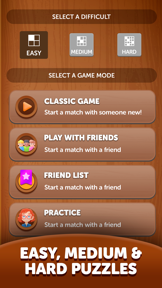
 Word Yatzy - Fun Word Puzzler






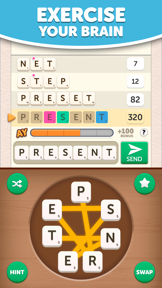


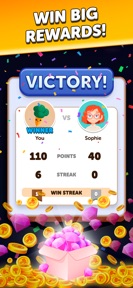


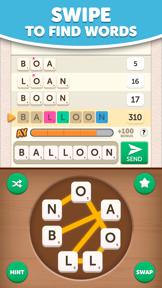
Snapshot
Who is FunCraft?
Transforming classic tabletop and word games into social daily rituals for casual mobile players.
Target audience


Portfolio
Free 43Last updated

Word Yatzy - Fun Word Puzzler
v1.19.25075
8mo ago
Publisher DNA
What defines FunCraft?
Publisher DNA
Primary focus
Digital adaptations of classic tabletop and word games
Scale
studio
Target audience
Casual gamers seeking social, turn-based versions of familiar board and word games like Yahtzee, Farkle, and crosswords.
Signature Patterns
- •Hybridization of classic mechanics, such as merging word-building with dice-rolling.
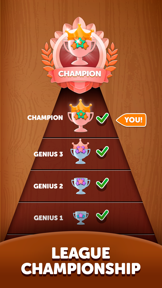
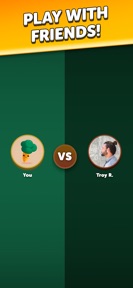
- •Strong emphasis on social and competitive features including PvP duels, global leagues, and cooperative play.
- •Positioning games as 'daily rituals' with unlimited play options to drive long-term retention.
- •Freemium monetization model utilizing ad-supported gameplay and in-app purchases for power-ups and currency.
- •Consistent high-frequency update cadence across the active portfolio to maintain engagement.
Portfolio momentum
With 47 releases in the last 6 months and nearly 70% of the portfolio currently active, the publisher maintains an exceptionally high development and live-ops cadence.
Portfolio
What does FunCraft ship?
Apps
43 apps analysed

Draft football legends, compete in online leagues, and win the championship!


- Fantasy football enthusiasts enjoy the fast-paced gameplay and the ability to build teams with historical players
- Intrusive and excessively long advertisements disrupt the core gameplay loop and frustrate active users

Multiplayer engagement loops increase session length
- Challenging word puzzle mechanics stimulate cognitive engagement and vocabulary expansion for casual players
- Aggressive advertisement frequency interrupts the flow of gameplay and degrades the user experience

Scandinavian-style visual clues differentiate the UX
- Unique crossword mechanics provide a mentally stimulating challenge for casual word puzzle enthusiasts
- Excessive forced advertisements interrupt gameplay flow and make the experience feel unplayable for many

- Fast-paced card gameplay provides an engaging experience for players seeking quick match sessions
- Aggressive ad frequency forces players to navigate to the store just to close the game

Duel Journey progression system reduces 30-day churn via milestone-based rewards
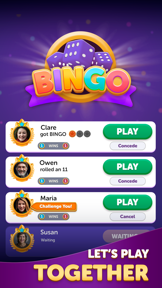
- Unique dice-rolling mechanic provides a refreshing and challenging twist on traditional bingo gameplay
- Excessive ad frequency interrupts the core gameplay loop and forces frequent app restarts
Distributed across 20 markets, strongest in Americas.
Based on 14 of 43 apps with localized market data, more coverage rolling in as scans complete · last scanned .
Americas (4)
- United States14 / 14
- Mexico2 / 14
- Brazil1 / 14
- Canada1 / 14
Europe (9)
- France2 / 14
- Germany2 / 14
- Italy2 / 14
- Netherlands2 / 14
- Portugal2 / 14
›+4 more europe markets
- Spain2 / 14
- Sweden2 / 14
- Turkey2 / 14
- United Kingdom2 / 14
Asia-Pacific (7)
- India2 / 14
- Indonesia2 / 14
- Singapore2 / 14
- Vietnam2 / 14
- Australia1 / 14
›+2 more asia-pacific markets
- Japan1 / 14
- South Korea1 / 14
Core markets (14/14 apps)
User Sentiment
How do users feel about their apps?
5
Positive apps
19
Neutral / mixed
16
Negative apps
46/100
Avg sentiment score

Unlock the app dragging this portfolio down.
Access the full report for freeRivals
Who does FunCraft compete with?
The rivals identified
Nemeses(6)

CodyCross is the dominant market leader in the crossword niche, leveraging a massive user base and high-frequency content updates to maintain category leadership.


Maintains a high-velocity release cadence with 14 updates in six months, signaling a focus on rapid feature iteration.


Provides remote management for console-based leagues, serving as a utility for the same American football audience as the source app.


Both apps target the same classic card game enthusiast base with freemium models, directly competing for time spent in the cribbage category.


This is the only direct competitor that focuses exclusively on the cryptogram puzzle mechanic, matching the target app's core value proposition.


As a dominant casual card game, it competes for the same leisure time and mobile screen real estate by leveraging high-production value and recognizable IP.
Contenders(15)


Shows high operational velocity with 13 releases in the last six months, indicating an active growth phase.


It captures the classic card game market, directly challenging Card Connect for users who prefer established, rules-based card play.


While the theme differs, it competes for the same 'collection and strategy' audience by utilizing pack-opening and trading mechanics.


Serves the same casual card game audience, focusing on single-player trick-taking mechanics.


Both apps compete for the same cribbage player base, with Cribbage Classic focusing on solo play while Cribbage GC captures the competitive segment through official tournament support.


Both apps compete for the same cribbage enthusiast demographic within the card game category, directly overlapping in core gameplay and target audience.


Dominates the casual board game space with a massive user base and consistent cross-platform feature parity.


This app targets the same demographic of traditional card game enthusiasts who prioritize standardized rules and multiplayer social play.


Cribbage JD competes for the same audience of traditional cribbage players by offering a free, offline-capable digital board experience. Both apps target users seeking a mobile version of the classic card game.


This app competes for the attention of card-game players who are motivated by deck-building and card evolution mechanics.


Both apps target traditional cribbage enthusiasts with manual-counting mechanics and rely on ad-supported monetization, creating direct competition for the same casual card game player base.


A direct thematic competitor that successfully monetizes the 'daily ritual' habit through highly curated, theme-based puzzle packs.


Both apps target the cribbage enthusiast segment, competing for time spent in the card game category through distinct interpretations of the core cribbage ruleset.


Both apps target the same cribbage enthusiast demographic and compete for time-share within the card game category on mobile platforms.


Both applications target the same niche of traditional cribbage enthusiasts by offering core rule sets and manual or automatic scoring options. They compete directly for the attention of casual card game players seeking a digital version of the classic board game.
Same space(53)


Competes for the same 'brain sharpening' audience but focuses on lateral thinking riddles rather than word decoding.


Adjacent brain-training app that targets the same demographic looking for mental stimulation.


Offline-first architecture captures the casual simulation market that the source app targets, though it prioritizes ad-inventory over session continuity.


Shares the casual card game space, competing for the same user time through offline-first architecture.


Acts as a third-party utility for FPL players, focusing on live points tracking similar to the source app's interest in real-time results.


It provides a live, social drafting experience that differs from the solo-simulation focus of the source app.


It occupies the same 'strategic card' niche, appealing to players who view card games as a mental exercise.


Represents the high-end competitive card game segment, serving as a benchmark for complex mechanics and monetization.


Shares the casual card game space, offering a collection of classic titles for brain training.


It shares the same draft-based simulation goal but focuses on achieving specific undefeated records in English football.


Targets the same casual card game demographic with a focus on modern engagement loops.


This app provides a similar team management experience but emphasizes offline career storylines.


Occupies the fantasy football space but lacks sufficient feature data to distinguish its core management loop from the source app.


It serves the same sports management segment by focusing on the collegiate recruiting niche rather than professional roster drafting.


It serves the same fantasy football audience by integrating real-world performance data into a management simulation.


This app targets the same American football management audience but uses an official NFL PA license to provide an authentic roster experience.


This app competes for the same management-focused audience by offering an offline-first experience that avoids connectivity friction.


It targets casual sports fans with idle mechanics, providing a lower-intensity alternative to the source app's active drafting loop.


Targets the MENA football market with real-time PvP battles, offering a regional alternative to the source app's global draft focus.


Serves as a high-performance utility for fantasy players, offering faster data updates than the official league interface.


Targets the same traditional card game enthusiast, focusing on regional variants and offline play.


This app focuses on the same general manager role but emphasizes deep, complex offseason mechanics.


This app serves the same hardcore management audience but utilizes a paid model to avoid the ad-driven friction found in the source.


Targets the dedicated TCG audience with a focus on intellectual property and established competitive rulesets.


It targets the college football niche with a text-based, offline-first simulation that avoids the source app's online dependencies.


Official league licensing provides a data-driven competitive experience that contrasts with the historical draft focus of the source app.


It targets the same sports simulation space but shifts the focus to individual character development rather than team management.


This app offers a similar fast-paced drafting game but focuses on seven-round dynasty building.


It serves the same community of card game players who require utility-based tools to manage and score their matches.


It is a direct alternative for players seeking a two-player, strategy-focused card experience on mobile.


Offers a standard fantasy football experience that competes for the same user attention as the source app's draft strategy.


Competes for the same casual card game audience by offering a minimalist, stress-free aesthetic.


Protects user retention through save-data carry-over, a feature that directly contrasts with the source app's infinite replay value model.


This app expands the draft-legend concept across ten different sports, serving a broader multi-sport audience than the football-only source.


Reimagines fantasy football through a battle-based capture mechanic that differentiates it from the source app's traditional draft strategy.


Adjacent brain-training category; competes for the same '10 minutes a day' mental agility user intent.


It competes for the same audience of traditional card game players by offering flexible rule sets and multiplayer modes.


Combines pack opening with draft tactics, providing a competitive alternative to the source app's roster-building focus.


10,000 Dice serves the same dice-game audience by offering a utility-focused scorekeeper that avoids the heavy monetization found in competitive titles.


This app uses a similar draft-to-win mechanic but focuses on English and Spanish football leagues.


Competes for the same casual card game user base by offering flexible offline and multiplayer modes.


Introduces a high-stakes, zero-sum battle mechanic that differentiates it from the source app's non-punitive draft strategy.


Provides a global soccer management experience that competes for the same time-share as the source app's football draft strategy.


Occupies the same casual card game category, relying on high-frequency ad monetization to drive revenue.


This app uses a similar draft-to-tournament loop but applies it to international soccer rosters.


This app offers a similar quick-draft mechanic but pivots to soccer trivia, appealing to a different sport-specific interest group.


Targets the same casual card game audience by offering multiple classic titles in one interface.


Targets the same trick-taking card game enthusiast, competing for time through competitive league structures.


It targets the same historical simulation audience by using real player data from 1960 to 2026 without official branding.


This app targets the same general manager audience but emphasizes long-term contract and salary cap management.


While technically a word-building game, it is the primary competitor for the target app's social, turn-based competitive audience.


Occupies the same casual card game category, targeting users seeking classic Klondike-style experiences.


Targets the same cribbage enthusiast demographic with a focus on automatic scoring and classic gameplay.
New entrants(5)


A recent entrant from a major developer that is rapidly iterating on classic word-puzzle mechanics.


It shares the same draft-based simulation core but introduces a knowledge-based mode to increase engagement.


Rapidly scaling casual game showing high engagement velocity and frequent feature iteration.


Aggressive update velocity and high user engagement signal a rapidly growing threat in the word-puzzle category.


An emerging threat that demonstrates high-velocity updates and a specific, underserved demographic focus.
The Analyst's Read
The bottom line on FunCraft
Bottom line
FunCraft is a high-velocity studio that has successfully digitized the tabletop experience into a social-first mobile portfolio. Their strong weighted rating of 4.80 across nearly 380,000 reviews signals an elite level of product-market fit in the casual board and word game categories.
Frequently asked questions
How many apps does FunCraft publish?
What kind of apps does FunCraft make?
What is FunCraft's top app?
In how many countries are FunCraft's apps available?
What fed this analysis
- Apps analyzed:
- 39
- With full intel:
- 39
- With overview:
- 39
- Website scraped:
- yes
- Social presence:
- no
