
H2k
 Sojunghangeul - Phonics & Play


Publisher DNA
What defines H2k?
AI intelligence is not yet available for H2k. The portfolio data below is up to date.
Portfolio
What does H2k ship?
Apps
1 app analysed

한글이 낯설거나 흥미가 없는 아이도 빠져드는 한글 게임! 300개 이상 콘텐츠로 언제 어디서나 학습할 수 있어요.


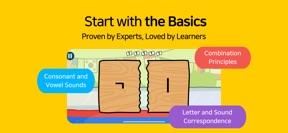
Phonics-based logic reduces syllable-formation confusion for new learners
- Phonetic-based Hangeul instruction helps children distinguish similar sounds and improve their Korean pronunciation accuracy
- Inconsistent touch registration on the main menu and puzzle elements frustrates children during independent play
Distributed across 12 markets, strongest in Europe.
Based on 1 of 1 app with localized market data · last scanned .
Americas (3)
- Brazil1 / 1
- Mexico1 / 1
- United States1 / 1
Europe (7)
- France1 / 1
- Germany1 / 1
- Italy1 / 1
- Netherlands1 / 1
- Portugal1 / 1
›+2 more europe markets
- Spain1 / 1
- Sweden1 / 1
Asia-Pacific (2)
- Japan1 / 1
- South Korea1 / 1
Core markets (1/1 apps)
User Sentiment
How do users feel about their apps?
1
Positive apps
0
Neutral / mixed
0
Negative apps
75/100
Avg sentiment score
Rivals
Who does H2k compete with?
The rivals identified
Nemeses(1)

Both applications target parents seeking structured, phonics-based early literacy instruction for children, creating direct competition for household educational time and budgets.
Contenders(17)


Both apps target beginner Korean learners with free-to-access models, creating direct competition for users seeking entry-level language acquisition tools.


Both apps compete for the same daily study time among Korean language learners, with Sojunghangeul focusing on foundational phonics and Cake on pop-culture immersion. They overlap in their target demographic of beginners seeking accessible language practice.


Both apps target early Hangul education through gamified interfaces, competing for the same parent demographic seeking supplemental language learning tools.


Both apps target the Korean language learning market, competing for beginners through mobile-first, gamified interfaces that prioritize accessibility.


Users report: Both apps target young children learning Korean literacy, competing directly for the same parent-led educational time slot.


Both apps target the Korean language learning market, competing for beginner learners through distinct pedagogical approaches: phonics-based curriculum versus Kdrama-based immersion.


Both apps target the Korean language learning market with gamified, beginner-focused curricula. Patchim Training captures the casual, micro-learning segment through 3-minute sessions, while Sojunghangeul targets structured, phonics-based learning for families and schools.


Both apps target the early childhood Korean education market, competing for parent-driven screen time focused on language acquisition.


Both applications target early childhood Korean language acquisition, competing for the same parent demographic seeking educational tools for young children.


Both apps target the Korean language learning market with free, phonics-focused curriculum for beginners. They compete directly for users seeking to master Hangeul through structured, accessible lessons.


Both apps target beginner Korean learners through gamified, AI-assisted curricula, competing directly for the same user base seeking structured language acquisition.


Both apps compete for the same daily active time among casual language learners by offering gamified, short-form content for Korean acquisition.


Users report: Both applications target children learning the Korean alphabet through gamified content and structured educational modules. They compete directly for parents seeking early childhood language acquisition tools.


Both apps target the early-learning segment by providing curriculum-aligned, gamified educational content for independent study in children aged 2 to 11.


SayDuo competes for the same Korean language learners by offering AI-driven conversational practice, which overlaps with the personalized tutoring curriculum provided by Sojunghangeul.


Both apps target the beginner Korean language market with free-to-use models, competing for the same audience seeking foundational vocabulary and pronunciation skills.


Both apps target Korean language acquisition, but they serve different user segments: 소중한글 focuses on early childhood phonics and curriculum-based learning, while the rival targets rapid character recognition via handwriting and spaced repetition.
Same space(28)


Offers a comprehensive, research-based curriculum that serves as a primary alternative for structured early childhood education.


Targets the same early-childhood demographic as the source app but uses a voice-based AI tutor for English and STEM.


Provides AI-powered English tutoring for job and exam preparation, differing from the source app's early-childhood Hangeul focus.


Offers a general AI-powered language coach, providing a broader, less specialized alternative to the source app's phonics-based curriculum.


Provides curriculum-based puzzles for early childhood, serving as a direct alternative for school-readiness screen time.


Focuses on speech development, serving as a specialized tool for children needing extra support in language acquisition.


Combines structured pedagogy with social feedback, providing a more formal academic path than the play-based source app.


Uses AI-driven conversation practice for language learners, offering a more interactive experience than the phonics-based source app.


Targets professional English communication, whereas the source app focuses on foundational Hangeul literacy for children.


Targets the same preschool demographic with interactive activities for early math and literacy development.


Provides a similar all-in-one literacy solution for toddlers and preschoolers seeking school readiness.


Provides a research-backed curriculum for the same age group, competing for parents seeking ad-free, independent learning tools.


Uses music and video content to teach language and safety, competing for the same early childhood attention.


Provides a vast library of languages for mobile learners, serving as a broader alternative to the source app's Korean-specific focus.


Targets early childhood education with high-production content, competing for the same screen-time slots as the source app.


Focuses on authentic immersion through native speaker content, providing a more advanced path than the phonics-based source app.


Forces vocal output for language acquisition, providing a more aggressive speaking-first approach than the source app's phonics-based method.

known for Vocabulary English kids free : Learning words Language home
Targets early language acquisition through vocabulary training, serving as a niche supplement to broader literacy apps.


Provides conversational AI practice for adult learners, serving as a supplement to the foundational literacy focus of the source app.


Uses AI avatars for conversational practice, serving adult learners who need fluency rather than the early-literacy focus of the source app.


Uses audio-immersion for adult learners, serving a different demographic than the child-focused, visual-heavy phonics lessons of the source app.


Shares the gamified, family-oriented design philosophy of the source app but focuses on music education instead of language.


Offers a wide range of languages for heritage learners, contrasting with the source app's focused Hangeul curriculum.


Integrates academic curriculum into game environments, competing for the same 3-10 year old user base.


Focuses on adult conversational fluency via AI roleplay, contrasting with the child-centric phonics approach of the source app.


Uses AI for conversational practice in 130+ languages, serving adult learners rather than the child-focused source app.


Offers interactive games for toddlers and preschoolers to learn foundational concepts like phonics and counting.


Offers cultural context modules for casual learners, providing a broader academic focus than the phonics-specific source app.
New entrants(2)


Replaces passive lessons with real-time AI conversations, providing a more conversational focus than the phonics-based source app.


Offers 24/7 AI language coaching for conversational confidence, serving adult learners instead of the child-focused source app.
