


HABBY
For casual and mid-core mobile gamers seeking high-intensity action with low-barrier controls and long-term RPG progression.
 Archero


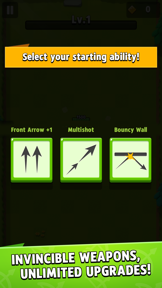


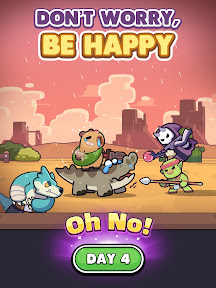


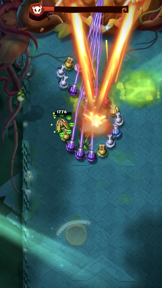


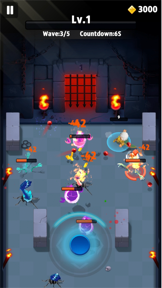


Snapshot
Who is HABBY?
Bridging the gap between casual accessibility and mid-core depth through innovative one-handed action and roguelike progression systems.
Target audience


Portfolio
Free 12Last updated

Archero
v8.2.0
2mo ago
Publisher DNA
What defines HABBY?
Publisher DNA
Primary focus
Hybrid-casual action and roguelike games
Scale
studio
Target audience
Casual and mid-core mobile gamers seeking high-intensity action with low-barrier controls and long-term RPG progression.
Origin
Founded with a philosophy of turning hobbies into happiness through engaging gameplay experiences.
Signature Patterns
- •Heavy reliance on roguelike skill-stacking and randomized progression loops.
- •Standardized one-handed control schemes across high-action titles.
- •Hybrid monetization blending rewarded video ads with aggressive IAP progression accelerators.
- •Visual style ranging from minimalist 2D to high-polish 'healing' 3D simulation.
- •Rapid iteration on core mechanics to define new sub-genres like 'Roguelike 2.0'.
Portfolio momentum
Maintains an intense development pace with 29 releases in the last 6 months across a fully active 12-app portfolio.
Portfolio
What does HABBY ship?
Apps
12 apps analysed
Subscription-gated convenience captures predictable monthly revenue
- Core gameplay loop remains highly addictive and engaging for long-term players seeking quick sessions
- Users report: Aggressive pay-to-win mechanics and rigged event odds frustrate players who feel forced to spend money

Established brand recognition drives initial install velocity
- The core roguelike combat loop provides a highly addictive and rewarding experience for casual players
- Aggressive monetization and excessive pop-up advertisements disrupt the core gameplay flow for many users

Randomized event engine increases time-in-app
- The core rogue-lite gameplay loop provides a relaxing and addictive experience for casual play sessions
- Aggressive monetization and gacha mechanics create a pay-to-win barrier that frustrates long-term progression

Highly accessible pick-up-and-play design
- Strong publisher pedigree (HABBY)

Offline-first architecture enables play in connectivity-constrained environments
- Minimalist art style and high-quality soundtrack create an immersive and relaxing atmosphere for players
- Excessive and unskippable advertisements disrupt the flow of gameplay for free-to-play users
Distributed across 10 markets, strongest in Europe.
Based on 6 of 12 apps with localized market data, more coverage rolling in as scans complete · last scanned .
Americas (3)
- Brazil6 / 6
- Mexico6 / 6
- United States6 / 6
Europe (5)
- France6 / 6
- Germany6 / 6
- Portugal6 / 6
- Spain6 / 6
- Italy3 / 6
Asia-Pacific (2)
- Japan6 / 6
- South Korea6 / 6
Core markets (6/6 apps)
User Sentiment
How do users feel about their apps?
4
Positive apps
4
Neutral / mixed
3
Negative apps
50/100
Avg sentiment score
Unlock the app dragging this portfolio down.
Access the full report for freeRivals
Who does HABBY compete with?
The rivals identified
Nemeses(6)

Archer Hunter targets the same casual roguelike audience as Archero, utilizing identical dungeon-crawling mechanics and projectile-based combat loops.


With over 1.2 million ratings, this app defines the block-puzzle category standard and maintains the highest market share in the direct niche.


Directly competes in the Roguelite-Idle hybrid space with a high-frequency update cadence of 16 releases in six months.


Dominates the rhythm-based platformer niche with a massive, highly engaged user base and consistent content updates.


Both apps target the casual roguelike RPG segment with text-based progression loops and animal-themed character designs.


Bangloop targets the same roguelite shooter audience as SSSnaker by emphasizing arcade-style progression and wave-based survival mechanics.
Contenders(8)


Both titles target casual mobile gamers through roguelite progression and session-based action, competing directly for the same time-sensitive player demographic.


High-velocity release cadence and hyper-casual physics mechanics directly compete for the same short-session mobile audience.


Offers a similar physics-based combat experience but focuses on vehicle-centric destruction rather than core-based movement.


Shares the specific Roguelite-dungeon crawler DNA and high-difficulty, skill-based progression loop characteristic of the target app.


Survivor Kingdoms targets the same roguelike action audience as Archero, offering a similar loop of randomized skills and gear progression in dynamic arenas.


A foundational title in the block-puzzle space that continues to hold significant market relevance through legacy brand recognition.


Both apps target the action roguelike segment with skill-based combat mechanics and freemium pricing models.


A direct thematic competitor that successfully pivoted the block-puzzle genre into a wood-themed, tactile aesthetic.
Same space(50)


Shares the roguelike progression and auto-battler elements found in Archero, but adds a tactical inventory management layer.


This title targets the same roguelike audience but shifts the perspective to a 2D side-scrolling format, providing a distinct visual and mechanical alternative.


Occupies the same casual arcade-shooter niche as Archero, offering a similar progression-heavy loop for short, accessible play sessions.


This title dominates the idle-clicker genre with a massive, long-term user base and consistent feature updates.


A staple in the arcade driving category that captures the same 'easy to play' casual audience.


Appeals to the same casual tower defense audience as Archero, focusing on character collection and progression-based gameplay.


Phone Dice targets the same dice-centric interest group but pivots toward street-style gambling simulations.


Competes for the same skill-based casual gamer segment as Archero, focusing on physics-based mechanics and virtual item collection.


Targets the same archery-simulation audience as Archero, focusing on weapon upgrades and warrior progression.


Adjacent sub-genre competitor that dominates the mobile strategy card-battle space with high-production value.


Xeno Breach targets the same casual roguelite audience by automating combat, allowing players to focus on movement rather than manual aiming.


It occupies the same casual simulation space by combining merge mechanics with cafe management.


Relates to Archero by offering a fantasy-themed progression loop focused on gear and skill management within combat scenarios.


Brotato competes for the same casual roguelite audience by offering a similar wave-based survival loop with faster, sub-30-minute run times.


Competes for the same 'brain training' audience, though it shifts the focus from spatial puzzles to linguistic challenges.


Shares the hybrid meta-game structure of Archero by combining arcade-style action with a secondary management layer.


Uses a similar level-based progression system but applies it to a sports-themed puzzle mechanic.


Gun Hero competes for the same casual roguelite survival audience but uses a distinct weapon-merging mechanic to drive progression.


Represents the mature end of the idle-clicker spectrum, competing for the same casual-to-midcore time investment.


Provides a similar management-loop experience but shifts the focus to restaurant customization and service.


JokerJolt offers a vertical arcade shooter experience that serves as a low-friction alternative for SSSnaker players.


A direct competitor in the idle-simulation space that focuses on rapid-fire economic growth mechanics.


Shares the archery-focused core loop of Archero, but emphasizes stealth and slow-motion mechanics for a different feel.


Game of Dice shares the dice-based theme but focuses on board game simulation rather than roguelite combat.


Shares the casual arcade-action space with Archero, appealing to users who prioritize quick, repeatable sessions over complex meta-game systems.


Directly overlaps with Archero's action-shooter core, utilizing a similar progression system based on gear and perk upgrades.


Pixel Flow! competes for the same short-session, one-handed mobile gaming time as Dicero!.


This app targets the same casual audience by providing a low-intensity, repetitive interaction experience.


It shares the capybara theme while focusing on evolution-based simulation, appealing to the same casual demographic.


Blastlock competes for the same roguelite shooter audience by emphasizing high-replayability through procedural level generation.


Targets the same archery-focused casual audience as Archero, though it shifts the perspective to 3D combat scenarios.


Build and fight! occupies the same casual action space as Dicero! with a focus on short play sessions.


Bullet Hell Heroes serves as a direct alternative for users seeking the classic vertical scrolling bullet-hell experience found in SSSnaker.


The app competes for the same time-budget as Archero 2, using alliance-based social network effects to drive retention rather than the roguelike combat loop.


It attempts to capture the same casual market through 3D racing mechanics featuring the same animal theme.


Competes for the same casual archery audience as Archero, specifically targeting users who prefer offline-first utility.


Targets the same casual demographic as Archero by providing an auto-battle simulation loop that requires minimal manual input for progression.


While technically a different mechanic, it competes for the same 'brain training' and 'puzzle' search intent as the target app.


Vampire Survivors shares the roguelite time-survival core loop, offering a direct alternative for players seeking minimalistic, skill-based combat.


This app competes for the same casual audience by using a similar capybara aesthetic in a collectathon arcade format.


Competes for the same casual, quick-session mobile gamer demographic through simple, intuitive touch controls.


Krimli-wiz Roguelite occupies the same action roguelite space, using pet-based progression to maintain player engagement.


Competes for the same mid-core RPG player time, utilizing heavy IP-driven progression and live-service event structures.


This app targets the same user base by focusing on the relaxing, pet-care aspects of the capybara theme.


Shares the high-speed, reflex-heavy arcade genre, though it focuses on first-person motorcycle simulation.


XP Hero competes for the same mobile RPG player base by utilizing a high-frequency event dashboard to drive daily engagement, contrasting with the slower, manual campaign focus of SOULS.


Shares the target's focus on relaxing, atmospheric gameplay but scales it into a social MMO.


This app shares the archery-themed combat focus of Archero 2 but prioritizes stealth and tactical mission objectives over pure roguelike progression.


This app serves as an offline-first alternative for users who enjoy the capybara aesthetic without needing constant connectivity.


A dominant force in the mobile roguelite dungeon-crawler genre with massive scale and long-term community retention.
New entrants(6)


NEON competes for the same roguelite shooter audience by focusing on chain-based combat and loadout customization.


While established, its recent shifts in monetization and event structure represent a pivot to capture modern idle-RPG spenders.


It competes for the same casual player attention by using a platformer arcade format with capybara skins.


Emerging as a strong competitor in the action-shooter space with consistent updates and high production values.


Nova Rogues provides a similar one-thumb roguelite experience, targeting casual players who prefer automated combat mechanics.


Rapid development velocity with 13 releases in six months indicates an aggressive push for market share.
The Analyst's Read
The bottom line on HABBY
Bottom line
Habby remains the industry benchmark for hybrid-casual design, demonstrating a unique ability to monetize high-intensity gameplay through sophisticated progression loops. Their transition into multi-title franchises indicates a maturing strategy focused on ecosystem retention over single-hit discovery.
Frequently asked questions
How many apps does HABBY publish?
What kind of apps does HABBY make?
What is HABBY's top app?
In how many countries are HABBY's apps available?
What fed this analysis
- Apps analyzed:
- 12
- With full intel:
- 12
- With overview:
- 12
- Website scraped:
- yes
- Social presence:
- yes
