

Mateus Abras
 SmartGym: Gym & Home Workouts








Snapshot


Publisher DNA
What defines Mateus Abras?
AI intelligence is not yet available for Mateus Abras. The portfolio data below is up to date.
Portfolio
What does Mateus Abras ship?
Apps
2 apps analysed

Analysis in progress
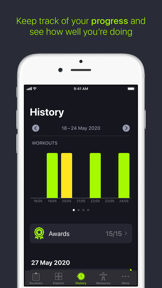
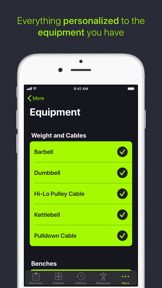
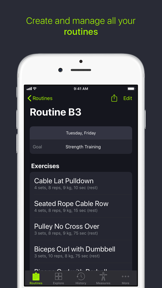
AI-driven routine generation adapts to specific home or gym equipment availability.
- Deep Apple Watch integration allows users to manage full workout sessions without needing their iPhone
- Aggressive subscription paywalls prevent users from accessing core features after the initial trial period ends
Distributed across 8 markets, strongest in Europe.
Based on 1 of 2 apps with localized market data, more coverage rolling in as scans complete · last scanned .
Americas (3)
- Brazil1 / 1
- Mexico1 / 1
- United States1 / 1
Europe (5)
- France1 / 1
- Germany1 / 1
- Italy1 / 1
- Portugal1 / 1
- Spain1 / 1
Core markets (1/1 apps)
User Sentiment
How do users feel about their apps?
1
Positive apps
0
Neutral / mixed
0
Negative apps
82/100
Avg sentiment score
Rivals
Who does Mateus Abras compete with?
The rivals identified
Nemeses(1)

Both apps compete for the same fitness-conscious demographic by gating core functionality behind subscription paywalls, forcing users to evaluate value against limited free tiers.
Contenders(10)


Both applications target gym-goers with AI-assisted training, creating direct competition for users seeking structured, data-driven workout management.


Both applications target the strength training market, creating direct competition for users seeking structured workout routines and progress tracking tools.


Both apps compete for the same subscription-based fitness wallet, though BetterMe expands into holistic wellness while SmartGym focuses on gym-specific tracking.


Both apps compete for the home-workout segment by offering personalized fitness plans and equipment-free training routines for users seeking alternatives to traditional gym environments.


Both apps target gym-goers with AI-driven routine generation and subscription-based monetization, creating direct competition for users seeking automated strength training.


Both apps target gym-goers seeking progress tracking, but Liftoff uses social gamification to drive habit formation while SmartGym relies on platform-native hardware integration.


Both applications target gym-goers with personalized workout routines, creating direct competition for users seeking structured fitness programming.


Both apps target fitness enthusiasts with subscription-based workout planning and HealthKit integration, creating direct competition for users seeking structured, goal-oriented training routines.


Both apps target strength training with AI-driven personalization, competing for the same gym-goer demographic that requires equipment-specific routine generation.


Both apps target strength athletes and gym-goers, competing directly for users seeking data-driven tracking for progressive overload.
Same space(20)


Running Walking Tracker Goals provides lightweight, voice-controlled tracking for casual runners, contrasting with SmartGym's complex gym-based utility.


BODi Fitness offers a massive library of instructor-led home workouts, providing a guided content alternative to SmartGym's routine-based approach.


Fitbod uses AI to generate adaptive strength training plans, serving as a direct functional competitor to SmartGym's AI trainer.


Gymverse uses AI to adapt training plans based on performance, offering an automated alternative to SmartGym's manual or AI-assisted routines.


Foodvisor provides nutritional guidance and meal monitoring, acting as a dietary supplement to SmartGym's physical training routines.


Google Health acts as a centralized health data aggregator, providing a broader medical and sleep tracking scope than SmartGym.


Hevy combines gym logging with social feeds, providing a community-driven alternative to SmartGym's individual-focused tracking.


LADDER replaces algorithmic gym planning with expert-led programming, targeting users who prefer human coaching over SmartGym's AI trainer.


Home Workout targets the equipment-free home fitness market, providing a high-volume utility for users without gym access.


Lyfta balances manual logging with guided routines, providing a flexible alternative to SmartGym's subscription-heavy model.


MWH focuses on Pilates and wellness content, offering a lifestyle-oriented alternative to SmartGym's strength-focused training.


MyFitnessPal dominates the nutritional tracking space, providing a massive database that complements SmartGym's exercise-specific logging.


LazyFit targets the beginner and senior demographic with low-impact routines, contrasting with SmartGym's focus on general gym-goers.


Noom targets behavioral weight loss through psychology, offering a clinical alternative to SmartGym's performance-focused training.


FORM emphasizes high-quality instructional content for Pilates and strength, targeting users who prioritize form over raw data.


Strava serves as a social network for outdoor athletes, contrasting with SmartGym's focus on individual gym-based strength training.


Strong provides a manual-first logging interface for gym enthusiasts, offering a distraction-free alternative to SmartGym's AI-heavy features.


Technogym bridges the gap between gym hardware and digital tracking, serving as a companion for users of Technogym equipment.


Muscle Booster pairs AI-generated plans with biometric feedback, serving as a direct competitor to SmartGym's AI trainer.


Yazio focuses on nutritional logging and fasting, serving as a dietary companion to SmartGym's workout-centric tracking.
