


FitnessAI
For health-conscious individuals seeking external motivation, financial accountability, and structured, data-driven workout guidance.
 Fitness AI Gym Workout Planner






Snapshot
Who is FitnessAI?
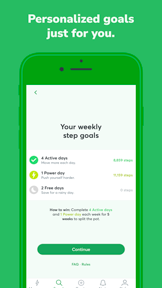
Incentivizing physical activity by integrating financial stakes into daily fitness routines. Helping users build habits through accountability.
Target audience


Portfolio
Free 6Last updated

Fitness AI Gym Workout Planner
v17.0
6mo ago
Publisher DNA
What defines FitnessAI?
Publisher DNA
Primary focus
Health & Fitness apps with financial and algorithmic incentives
Scale
indie
Target audience
Health-conscious individuals seeking external motivation, financial accountability, and structured, data-driven workout guidance.
Signature Patterns
- •Integration of financial incentives or betting mechanics to drive user retention
- •Strong reliance on subscription and freemium monetization models
- •Focus on personalized, goal-oriented fitness and weight-loss tracking
- •High frequency of app updates across the core portfolio
Portfolio momentum
Released 32 updates across 6 apps in the last 6 months, with the top titles receiving updates within the last month, indicating high development activity.
Portfolio
What does FitnessAI ship?
Apps
6 apps analysed


Single-market publisher, every app ships only to United States.
Based on 1 of 6 apps with localized market data, more coverage rolling in as scans complete · last scanned .
Americas (1)
- United States1 / 1
Core markets (1/1 apps)
Rivals
Who does FitnessAI compete with?
The rivals identified
Nemeses(1)


Both apps target individuals seeking structured fitness routines, but they diverge on equipment dependency: Fitness AI focuses on gym-based weightlifting, while Home Workout targets bodyweight-only users.
Contenders(13)


Both applications target users seeking structured fitness routines, but they diverge on equipment dependency: Fitness AI Gym Workout Planner requires gym access, while Home Workout App: Fitness targets zero-equipment home users.


Both apps target fitness enthusiasts with AI-driven training programs, creating direct competition for users seeking structured, equipment-aware workout guidance.


Both applications target home fitness users, creating direct competition for individuals seeking accessible workout routines.


Both platforms target home-fitness users through goal-oriented training and nutrition planning, creating direct competition for daily habit formation.


Both apps target women seeking structured fitness and nutrition guidance, with BetterMe competing for the same audience by expanding into holistic wellness, Pilates, and 1-on-1 coaching.


Both applications target gym-goers and lifters with routine planning and progress tracking, competing for the same user base seeking to monitor strength gains.


Both apps compete for users seeking structured, goal-oriented fitness programs, creating direct overlap in the health and training category.


Both apps target women seeking home-based, goal-oriented fitness programs, creating direct competition for the same beginner-level demographic.


Both apps compete for the same audience of women seeking glute-focused training and home-based fitness routines. They overlap directly in their core value proposition of providing structured, goal-oriented exercise programs.


Serves as a high-volume, no-equipment alternative for Athli users who lack access to gym facilities.


Both apps target women seeking structured strength and wellness programs, creating direct competition for users prioritizing goal-oriented fitness routines.


Both apps target users seeking weight loss and fitness through structured routines, competing for the same time-constrained demographic.


Both applications target users seeking AI-generated weightlifting routines, competing directly for the same audience of gym-goers looking for automated programming.
Same space(35)


Alpha Progression competes by offering science-based, adaptive strength training plans that target both beginners and advanced bodybuilders.


Competes for the same audience by replacing Athli's manual workout tracking with gamified AI coaching and nutrition analysis.


Gym Workout Tracker & Fitness targets the same gym-tracking audience by combining a large exercise database with manual logging tools.


AI Nutrition & Weight Tracker provides a complementary nutrition-logging layer for users who want to manage their diet alongside their workouts.


Targets the same female strength-training demographic as Athli, providing a community-focused alternative with recipe libraries.


FITAPP serves the adjacent activity-tracking market, offering GPS-based outdoor tracking that complements the indoor focus of Fitness AI.


Fitbod is a direct functional alternative that uses similar AI-driven personalization to generate equipment-adaptive routines for gym or home use.


Provides an AI-driven alternative to Athli for users who want personalized routines that adapt to available equipment.


Focuses on the same female fitness segment as Athli, using personalized plans based on historical user data.


Serves power users who find Athli's routines too basic, offering automated progression that adapts to performance data.


Liftoff targets the same gym-going demographic but shifts the value proposition from pure utility to gamified competition.


Hevy competes for the same gym-goer audience by offering a manual logging interface that prioritizes community interaction over the algorithmic automation found in Fitness AI.


Provides a social-first logging experience for users who want to share progress, contrasting with Athli's private structure.


iFIT Personal Trainer competes for the same fitness-focused audience but uses a premium, cinematic content-led model rather than pure AI automation.


Gym get-fit workout Schedule provides a manual logging alternative for users who prefer granular control over their training data.


Cal AI addresses the nutrition component of fitness, acting as a complementary tool for users who want to pair their gym workouts with calorie tracking.


SmartDiet acts as a peripheral health tool for users who want to track body metrics alongside their gym-based training programs.


Offers a manual-first gym logging experience for Athli users who prefer control over their routines rather than automated plans.


AI Health Tracker serves as a peripheral tool for monitoring vital signs, complementing the physical performance tracking of Fitness AI.


Lyfta serves the same gym-tracking segment but differentiates through RPE-based logging and granular performance metrics that appeal to power users.


Offers a time-bound, challenge-based structure for Athli users who prefer short-term goals over long-term programs.


Acts as a data-heavy nutrition companion for Athli users who require precise macro tracking beyond Athli's features.


Provides a free, high-production alternative to Athli for runners who value brand-led coaching and community.


Home Workout for Women targets the home-fitness segment, offering a low-barrier alternative to the gym-centric focus of Fitness AI.


Provides a basic weight-tracking utility that complements Athli by focusing on progress monitoring rather than workout instruction.


Targets the same female demographic as Athli but shifts the focus from structured workouts to AI-driven habit formation.


Yolo Fitness targets the casual, home-based fitness market, providing a low-effort alternative to the structured weightlifting focus of Fitness AI.


Offers specialized running coaching for Athli users who want to incorporate cardiovascular training into their routines.


Gymtone targets the same gym-planning audience but focuses on recovery and injury management alongside standard workout tracking.


Directly targets Athli's core female audience with trainer-led programs, though it uses a stricter subscription-only model.


Provides professional-grade physiological data for Athli users who transition from casual fitness to serious endurance training.


Provides a broad, all-in-one fitness and nutrition solution for users seeking variety similar to Athli's offering.


Offers specialized yoga and Pilates modalities that Athli users might use for active recovery or low-intensity days.


WiseMeal is an adjacent nutrition tool that uses AI to simplify the dietary tracking often required to support gym-based muscle growth.


Gymwork serves the same gym-tracking audience by offering professional athlete-designed routines alongside manual logging capabilities.
New entrants(2)


Chair Workout at Home targets a specific low-impact niche, offering an accessible fitness alternative for users who cannot perform standard gym exercises.


Workout at Home App: Fitness competes for the home-fitness audience by providing structured, goal-oriented plans that require no gym equipment.
The Analyst's Read
The bottom line on FitnessAI
Bottom line
FitnessAI Inc. is a specialized studio that successfully bridges the gap between fitness tracking and behavioral economics. Their ability to maintain high user ratings while implementing financial stakes suggests a strong product-market fit for users who struggle with traditional self-guided fitness apps.
Frequently asked questions
How many apps does FitnessAI publish?
What kind of apps does FitnessAI make?
What is FitnessAI's top app?
In how many countries are FitnessAI's apps available?
What fed this analysis
- Apps analyzed:
- 6
- With full intel:
- 0
- With overview:
- 6
- Website scraped:
- yes
- Social presence:
- no
