


mediola - connected living AG
For smart home enthusiasts and DIY integrators who prioritize cross-brand interoperability and advanced UI customization over plug-and-play simplicity.
 VIZ Designer for HomeKit
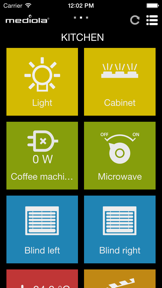


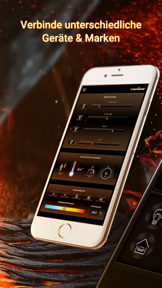

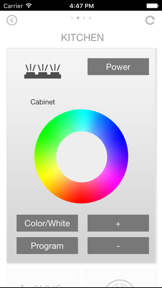

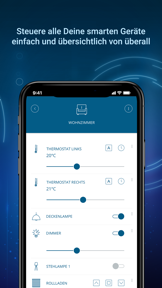


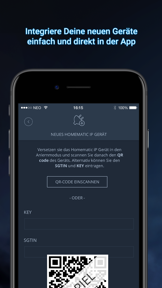


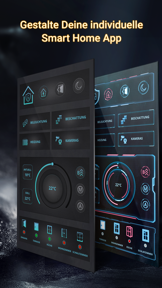
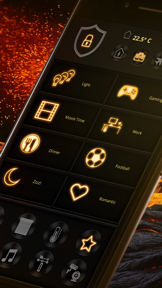


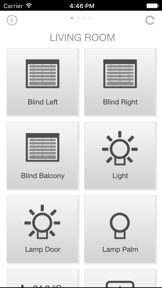
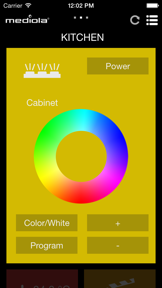


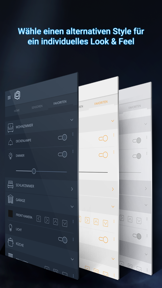


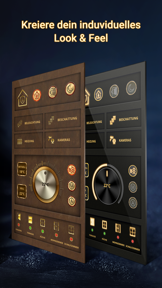


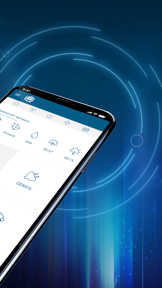


Snapshot
Who is mediola - connected living AG?
Providing unified smart home control through custom interface design and cross-brand IoT integration. Enabling bespoke automation for complex, heterogeneous device ecosystems.
Target audience


Portfolio
Free 9Last updated

VIZ Designer for HomeKit
v1.3.7
1.5y ago
Publisher DNA
What defines mediola - connected living AG?
Publisher DNA
Primary focus
Smart home management and custom IoT interface design
Scale
indie
Target audience
Smart home enthusiasts and DIY integrators who prioritize cross-brand interoperability and advanced UI customization over plug-and-play simplicity.
Signature Patterns
- •Heavy reliance on companion PC/Mac software for configuration
- •Focus on unifying heterogeneous IoT brands and protocols
- •Freemium and paid pricing models centered on custom interface deployment
- •Strong emphasis on DIY automation and bespoke dashboard design
Portfolio momentum
Released 7 updates across 9 apps in the last 6 months, with the majority of the core portfolio receiving maintenance or feature updates within the last 30 days.
Portfolio
What does mediola - connected living AG ship?
Apps
10 apps analysed


The manufacturer-independent Smart Home App of mediola® AIO CREATOR NEO


NEO App Designer enables bespoke interface creation.
- Instructional videos from external sources help users understand how to navigate the interface effectively
- Slider elements fail to function correctly during interaction, causing frustration with basic navigation tasks


Cross-platform exposure enables unified control of non-Matter devices.
- Proprietary bridge integration creates a high switching cost for legacy hardware owners.
Distributed across 12 markets, strongest in Europe.
Based on 9 of 10 apps with localized market data, more coverage rolling in as scans complete · last scanned .
Americas (3)
- United States9 / 9
- Brazil2 / 9
- Mexico2 / 9
Europe (7)
- Germany7 / 9
- France3 / 9
- Portugal3 / 9
- Italy2 / 9
- Netherlands2 / 9
›+2 more europe markets
- Spain2 / 9
- Sweden2 / 9
Asia-Pacific (2)
- Japan2 / 9
- South Korea2 / 9
Core markets (9/9 apps)
User Sentiment
How do users feel about their apps?
0
Positive apps
0
Neutral / mixed
1
Negative apps
25/100
Avg sentiment score
Rivals
Who does mediola - connected living AG compete with?
The rivals identified
Nemeses(2)

Google Home serves as the primary Matter-enabled ecosystem aggregator, directly competing with mediola's goal of integrating bridges into major smart home platforms.


Both apps target smart home users seeking remote control, but they diverge between custom interface design and proprietary hardware management for Legrand switches.
Contenders(2)


Strong vertical integration of hardware and software creates a high-retention user experience for smart home beginners.


Dominates the low-cost IoT market with a massive library of compatible devices and frequent feature updates.
Same space(15)


A professional security-focused platform that offers a more rigid, high-security alternative to open Matter bridges.


Represents the specialized appliance-centric app model that competes for screen time in the lifestyle category.


Xiaomi Home acts as a centralized IoT management hub, contrasting with the bespoke, granular interface control offered by VIZ Designer.


eWeLink functions as a broad hardware-agnostic platform, whereas VIZ Designer is strictly limited to the Apple HomeKit environment.


ECOVACS HOME provides specialized robotic cleaning management, while VIZ Designer is a general-purpose interface builder for HomeKit.


FRITZ!App Smart Home manages proprietary hardware via a specific gateway, unlike the platform-agnostic HomeKit design approach of VIZ Designer.


Home Connect serves as a manufacturer-specific control layer for kitchen appliances, whereas VIZ Designer focuses on custom HomeKit UI creation.


Home AI focuses on aesthetic visualization, whereas VIZ Designer is a functional utility for controlling smart home hardware.


IKEA Home smart manages a specific hardware ecosystem, whereas VIZ Designer is a tool for creating custom interfaces for existing HomeKit setups.


Roomba Home manages specific cleaning hardware, while VIZ Designer allows users to build custom control remotes for any HomeKit device.


SMART+ provides hardware-specific lighting control, contrasting with the user-defined interface flexibility found in VIZ Designer.


A major manufacturer-led ecosystem that locks users into a specific brand's smart appliance suite.


Miele app focuses on appliance-specific data and maintenance, whereas VIZ Designer prioritizes custom UI layout design for HomeKit.


Focuses on climate and security infrastructure, representing the professional-grade segment of the smart home market.


Bosch Smart Home acts as a central display for proprietary security and lighting, unlike the DIY interface design focus of VIZ Designer.
New entrants(1)


Emerging as a streamlined, retail-backed smart home platform with a focus on simplified onboarding.
The Analyst's Read
The bottom line on mediola - connected living AG
Bottom line
Mediola occupies a critical niche for power users who demand total control over fragmented smart home environments. Their ability to maintain a consistent, cross-platform ecosystem makes them a primary choice for users dissatisfied with the limitations of standard manufacturer apps.
Frequently asked questions
How many apps does mediola - connected living AG publish?
What kind of apps does mediola - connected living AG make?
What is mediola - connected living AG's top app?
In how many countries are mediola - connected living AG's apps available?
What fed this analysis
- Apps analyzed:
- 9
- With full intel:
- 0
- With overview:
- 9
- Website scraped:
- yes
- Social presence:
- yes
