

Sesame Workshop (Apps)
For parents and caregivers of preschool and early elementary-aged children seeking safe, educational digital content.
 Sesame Street Alphabet Kitchen


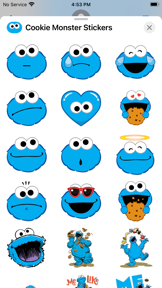
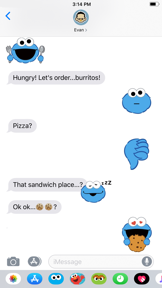


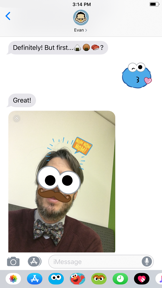


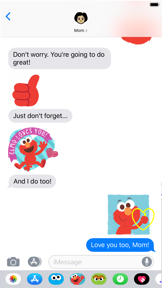

Snapshot
Who is Sesame Workshop (Apps)?
Providing research-based digital learning experiences that leverage high-equity characters to support early childhood development and parental engagement.
Target audience


Portfolio
Free 15Last updated

Sesame Street Alphabet Kitchen
v3.3
8mo ago
Publisher DNA
What defines Sesame Workshop (Apps)?
Publisher DNA
Primary focus
Research-based early childhood education and character-driven interactive media
Scale
studio
Target audience
Parents and caregivers of preschool and early elementary-aged children seeking safe, educational digital content.
Signature Patterns
- •Heavy reliance on established Sesame Street characters to drive organic discovery and engagement
- •Curriculum-focused design targeting specific developmental milestones like literacy, numeracy, and social-emotional learning
- •Mixed monetization strategy utilizing both premium one-time purchases and freemium 'lite' versions with IAP unlocks
- •Integration of parental tools such as call scheduling and progress tracking across multiple titles
Portfolio momentum
Maintained a consistent update cycle with 8 releases in the last 6 months, focusing on keeping high-equity titles current.
Portfolio
What does Sesame Workshop (Apps) ship?
Apps
23 apps analysed


This app aims to help teach your child real-world problem solving skills.


Single-market publisher, every app ships only to United States.
Based on 8 of 23 apps with localized market data, more coverage rolling in as scans complete · last scanned .
Americas (1)
- United States8 / 8
Core markets (8/8 apps)
User Sentiment
How do users feel about their apps?
1
Positive apps
1
Neutral / mixed
0
Negative apps
69/100
Avg sentiment score
Rivals
Who does Sesame Workshop (Apps) compete with?
The rivals identified
Nemeses(4)


Targets the same 2–8 age range with a standards-aligned curriculum that provides a free, non-profit alternative to paid interactive stories.


Provides a premium role-play experience that competes for the same toddler audience seeking interactive character play.


Both apps target the preschool digital storybook segment with interactive, paid, one-time purchase models, forcing them to compete for the same parents seeking ad-free educational content.


Both apps target preschool literacy through alphabet-focused curricula, creating direct competition for parents seeking early education tools. The overlap in core subject matter forces a choice between the brand-backed paid experience and the free alternative.
Contenders(7)


Complements the Elmo Calls experience by providing parents with social-emotional resources based on similar PBS character media.


Competes for the same preschool and early elementary audience by offering a research-based, interactive curriculum that scales beyond simple storybooks.


Provides a structured educational alternative for the same 3-7 age range, focusing on Montessori-aligned content rather than character-driven storytelling.


Both apps target the same preschool demographic and utilize Sesame Workshop intellectual property to teach daily routines and social-emotional skills.


Both apps target the preschool educational market with freemium models, competing for the same limited screen time of toddlers through interactive play.


Both apps target the toddler demographic with simulated calling features and educational content, creating direct competition for daily active screen time.


Both apps target the preschool segment with interactive storybook experiences, competing for the same one-time purchase budget in the children's book category.
Same space(41)


Uses conversational AI to teach literacy, competing for the same screen time as Cookie Calls' educational routines.


Targets the same early literacy demographic but shifts the interaction model from solo storybook play to a parent-child co-play experience.


Addresses the same early learning need for PreK students, focusing on math rather than reading, but targeting the same parent-led acquisition channel.


Duolingo ABC targets the same early literacy demographic but provides a more structured, curriculum-based alternative to character-focused apps.


Uses the same video call simulation mechanic, but for entertainment rather than education.


Provides a digital library for the same age group, though it relies on a subscription-gated model rather than the one-time purchase model used by storybook apps.


Kiddopia targets the same preschool segment by aggregating multiple licensed character brands into a single subscription-based learning platform.


SplashLearn provides a more rigorous, adaptive academic environment for children transitioning from preschool play to formal K-5 schooling.


Targets the same early childhood development stage as Elmo Calls, providing a mix of academic lessons and creative play.


Targets the same Pre-K demographic with a focus on guided tracing and phonics, maintaining a restricted interface.


Focuses on healthy food recognition, serving as a simple educational tool for the same youngest demographic.


known for Baby Games for Toddlers, Kids
Focuses on the same toddler demographic as Elmo Calls, using interactive animal sounds and calls to drive cognitive development.


Focuses on fine motor skills and writing, serving as a specialized educational tool for the same preschool audience.


Provides foundational academic puzzles for the same toddler audience as Elmo Calls, focusing on letter recognition and spelling.


Uses gamification to manage daily routines, directly overlapping with the habit-building functionality of Cookie Calls.


DoodleMath provides a standards-aligned practice solution that scales with the child as they move from preschool into elementary math.


Competes for the same preschool audience by providing a free, ad-free interactive environment.


Uses a virtual pet to encourage habit completion, competing with the routine-building features of Cookie Calls.


Targets an older professional segment than Elmo Calls, focusing on English proficiency through AI-driven pronunciation and career-specific modules.


Provides a direct alternative for alphabet handwriting practice, targeting the same age group with a premium model.


Extends the alphabet focus by adding handwriting and coloring book features for the same age demographic.


Offers a digital role-play environment similar to Elmo Calls, but centers on character-based exploration rather than simulated communication.


Serves the same early literacy niche by offering a centralized suite of gamified activities for alphabet recognition.


Provides a similar simulated video call experience to Elmo Calls, but focuses exclusively on seasonal holiday pranks.


Uses XP and levels to motivate children, serving as an alternative for routine management.


Offers a task-based approach to early literacy for the same preschool audience, focusing on core concepts like phonics.


Serves the same early childhood alphabet learning market with a focus on cognitive development through visual stimuli.


Offers a simulation-based alternative for children interested in creative play rather than character-led educational routines.


Gamifies chores and routines, competing for the same family-management use case as Cookie Calls.


Serves the same early childhood demographic but utilizes a non-monetized ministry model to remove the financial friction present in paid storybook apps.


Offers a focused, action-verb-driven alphabet learning experience that competes with the letter-tracing focus.


Provides educational content for the same preschool age group as Elmo Calls, focusing on music and character-driven entertainment.


Focuses on social-emotional development and vocabulary, providing a pedagogical alternative to the character-led routines in Cookie Calls.


Uses the same simulated phone interface as Elmo Calls to provide a familiar roleplay environment for preschool children.


Competes for the same literacy-focused audience by gamifying pedagogical drills, though it uses a more varied freemium model than the source app.


Provides educational content for the same preschool audience as Elmo Calls, utilizing music and interactive games.


Targets the same preschool demographic as Elmo Calls, focusing on flow-based navigation to remove friction for toddlers.


Targets the same infant and toddler segment as Elmo Calls, providing a simple, ad-free peekaboo interaction loop.


Serves as a complementary bedtime routine tool that uses task-based storytelling to engage children, similar to the source app's focus on interactive narrative.


Provides a structured approach to habit tracking, serving as a parent-facing tool for routine management.


Think!Think! focuses on cognitive development through puzzles, serving as a specialized supplement to the core curriculum found in Elmo Loves 123s.
New entrants(2)


Focuses on routine management and independence, competing for the same daily-routine use case.


Serves as an adjacent language-learning tool for families, providing a structured curriculum that complements the literacy focus.
The Analyst's Read
The bottom line on Sesame Workshop (Apps)
Bottom line
Sesame Workshop effectively translates its legacy media dominance into a specialized educational app portfolio. Their strategy relies on brand-led distribution and research-backed content, though maintaining technical parity across their older catalog remains a visible challenge.
Frequently asked questions
How many apps does Sesame Workshop (Apps) publish?
What kind of apps does Sesame Workshop (Apps) make?
What is Sesame Workshop (Apps)'s top app?
In how many countries are Sesame Workshop (Apps)'s apps available?
What fed this analysis
- Apps analyzed:
- 23
- With full intel:
- 3
- With overview:
- 23
- Website scraped:
- yes
- Social presence:
- yes