


Blue-Zoo
For parents and caregivers of children aged 3-6 seeking curriculum-aligned supplemental learning tools based on familiar television characters.
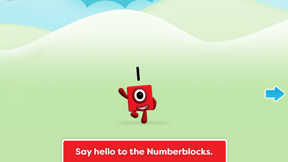
 Meet the Numberblocks!













Snapshot
Who is Blue-Zoo?
Bringing BAFTA-nominated preschool television franchises to life through interactive multisensory learning apps for early childhood development.
Target audience


Portfolio
Free 13Last updated

Meet the Numberblocks!
v01.07.00
10mo ago
Publisher DNA
What defines Blue-Zoo?
Publisher DNA
Primary focus
Educational apps for preschool children
Scale
studio
Target audience
Parents and caregivers of children aged 3-6 seeking curriculum-aligned supplemental learning tools based on familiar television characters.
Origin
An animation studio known for BAFTA-nominated CBeebies shows like Alphablocks and Numberblocks.
Portfolio momentum
Released 59 updates across 20 apps in the last 6 months with 100% of the portfolio currently active.
Portfolio
What does Blue-Zoo ship?
Apps
21 apps analysed


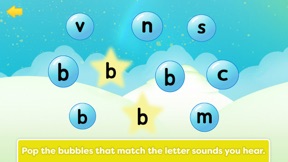

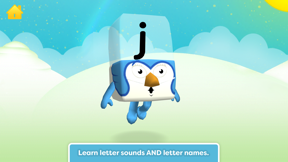
Clear, ad-free premium value proposition
- Strong brand recognition via the Alphablocks IP

Curriculum-aligned phonics content ensures educational trust
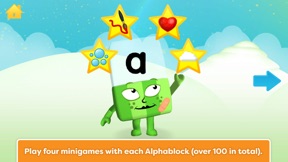
- Interactive phonics-based learning mechanics provide significant educational value for young children
- Critical video playback failures prevent core educational content from loading for subscribers


Distributed across 20 markets, strongest in Europe.
Based on 9 of 21 apps with localized market data, more coverage rolling in as scans complete · last scanned .
Americas (4)
- United States9 / 9
- Brazil5 / 9
- Mexico5 / 9
- Canada3 / 9
Europe (9)
- France5 / 9
- Germany5 / 9
- Portugal5 / 9
- Spain5 / 9
- Italy3 / 9
›+4 more europe markets
- Netherlands3 / 9
- Sweden3 / 9
- Turkey3 / 9
- United Kingdom3 / 9
Asia-Pacific (7)
- South Korea5 / 9
- Australia3 / 9
- India3 / 9
- Indonesia3 / 9
- Japan3 / 9
›+2 more asia-pacific markets
- Singapore3 / 9
- Vietnam3 / 9
Core markets (9/9 apps)
User Sentiment
How do users feel about their apps?
1
Positive apps
0
Neutral / mixed
2
Negative apps
43/100
Avg sentiment score
Unlock the app dragging this portfolio down.
Access the full report for freeRivals
Who does Blue-Zoo compete with?
The rivals identified
Nemeses(4)


Both applications target the preschool and early elementary demographic by providing foundational literacy and fine motor skill exercises. They compete directly for the time and attention of parents seeking structured educational content for children ages 2 to 8.


This app serves the exact same early-years numeracy niche with a high-production, narrative-driven approach that directly competes for the same preschool audience.


Both applications target the preschool literacy market through phonics-based curricula, competing directly for parents seeking ad-free educational screen time for early readers.


Lingokids dominates the phonics and early literacy space with a massive, highly active user base and a superior content release cadence.
Contenders(13)


known for Preschool Games for Toddler 2+
A high-volume competitor that dominates the preschool category through consistent updates and broad thematic coverage.


Provides a high-quality, completely free alternative that directly competes for the same early-literacy audience.


Leverages massive brand recognition and a vast library of familiar character-based games to capture user attention.


Shares the same IP-driven educational strategy but focuses on a different popular children's franchise.


Offers an adaptive, curriculum-aligned alternative to Alphablocks that scales from early literacy into K-5 academic subjects.


Users report: Both applications target the early literacy education segment for children aged 2-8, competing directly for parents seeking phonics-based learning tools.


Users report: Both applications target the early literacy market for young children, competing for parent attention within the alphabet-learning category through distinct curriculum delivery methods.


A massive player in the educational space that uses character-led experiences to maintain high user retention.


A direct alternative for the toddler segment, focusing on a broad suite of mini-games for early development.


Users report: Both applications target parents seeking ad-free educational screen time for young children, competing directly for the same early-childhood literacy and school-readiness market segment.


Both applications compete for early childhood screen time by teaching letter recognition and phonics through interactive gameplay. They target the same parent demographic seeking foundational literacy tools for young children.


CBeebies Learn includes Alphablocks content within a free, multi-subject preschool curriculum, directly competing for the same early literacy audience as the paid Alphablocks: Letter Fun app.


Both applications target the early childhood education market, competing for the same parent demographic seeking phonics-based literacy tools for toddlers and preschoolers.
Same space(28)


Targets the same early literacy segment as Alphablocks but provides a comprehensive, multi-sensory curriculum instead of focusing on fine motor skills.


This app targets the same parent-led early literacy segment but shifts the focus from child-only play to a co-play experience.


This app uses a speech-first mechanism to teach phonics, offering a more active learning experience than the character-led curriculum of Alphablocks.


Complements Alphablocks by focusing on creative expression and art fundamentals rather than structured letter formation.


Serves the same 3-8 age demographic as Alphablocks but replaces static writing practice with a conversational AI voice tutor.


Provides a more structured, Montessori-aligned curriculum for the same age range, serving parents who prioritize specific pedagogical frameworks.


This app serves a broader age range of 2-13, positioning itself as a comprehensive platform compared to the focused phonics approach of Alphablocks.


Extends the literacy focus of Alphablocks into a long-term, multi-program suite for children up to age 13.


This app shares the same phonics-based goal but has suffered from technical abandonment, contrasting with the active development of Alphablocks.


Focuses on the reading component of literacy, serving as a primary alternative for parents prioritizing book access.


Uses an augmented reality approach to engage children, offering a different interaction model for learning.


This app competes for the same 3-8 year old demographic but uses a subscription model and physical goods to drive retention.


This app provides a specialized, simplified tool for reading three-letter words, acting as a focused subset of broader literacy apps.


This app targets the same phonics-based literacy market but relies on a specific, teacher-trusted brand methodology.


Competes for the same preschool audience by offering a broad, research-backed curriculum that includes licensed character content.


This app targets the same early literacy audience but focuses on vocabulary and spelling through drag-and-drop mechanics.

known for Preschool games: kids toddlers
This app focuses on the foundational developmental stage for toddlers, serving as a precursor to the reading-specific curriculum of Alphablocks.


This app complements the literacy focus of Alphablocks by providing handwriting and tracing practice.


This app provides a specialized literacy intervention for struggling readers, focusing on phonemic awareness rather than general letter fun.


This app uses a story-based narrative to teach math, providing a different subject but a similar engagement model to Alphablocks.


Targets the same educational subject matter but focuses on a slightly older, more competitive demographic.


This app targets the same preschool age group but focuses on observation and logic rather than direct literacy instruction.

known for
This app targets the same preschool age group but focuses on observation and logic rather than direct literacy instruction.


While it shares the runner genre, this app adds a narrative-discovery layer that distinguishes it from the pure arcade loop of Fugglers.


Focuses on the same preschool demographic but shifts from academic writing to life-skills and routine-based simulation.


This app targets the same casual audience as Fugglers by focusing on repetitive interaction and character collection, though it operates on a free-to-play model.


This app occupies the same avoidance-arcade niche as Fugglers, though it lacks the premium, ad-free positioning of the source app.


It offers a tactile, character-based runner experience in a stylized world that complements the visual appeal of the Fuggler brand.
New entrants(5)


It appeals to the same creature-collection interest as Fugglers, focusing on visual absurdity rather than runner mechanics.


Shows significant recent activity and high user engagement, focusing on open-ended creative play.


A recent entrant showing active development and a focus on nurturing-style educational play.


Demonstrates rapid growth and high-frequency updates, signaling a strong entry into the educational app market.


This app offers a unique continuous blending mechanism that competes with the phonics-based learning of Alphablocks.
Frequently asked questions
How many apps does Blue-Zoo publish?
What kind of apps does Blue-Zoo make?
What is Blue-Zoo's top app?
In how many countries are Blue-Zoo's apps available?
What fed this analysis
- Apps analyzed:
- 20
- With full intel:
- 2
- With overview:
- 20
- Website scraped:
- yes
- Social presence:
- yes