


Tuya Smart
For homeowners and property managers seeking centralized control over diverse smart hardware and automated routines.
 Tuya- Smart Life, Smart Living


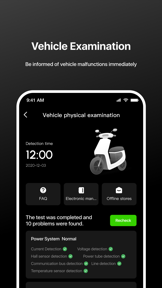


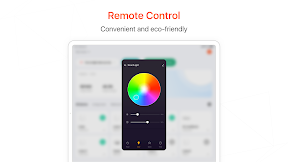


Snapshot
Who is Tuya Smart?
Providing a unified IoT management layer for smart home ecosystems and connected hardware.
Target audience


Portfolio
Free 6Last updated

Tuya- Smart Life, Smart Living
v7.9.3
3mo ago
Publisher DNA
What defines Tuya Smart?
Publisher DNA
Primary focus
IoT management and smart home automation
Scale
indie
Target audience
Homeowners and property managers seeking centralized control over diverse smart hardware and automated routines.
Portfolio momentum
Maintains an intense development pace with 12 updates across 5 apps in the last 6 months, including recent releases in the spatial AI and vehicle tracking sectors.
Portfolio
What does Tuya Smart ship?
Apps
6 apps analysed


Intuitive interface for controlling smart lighting and appliances simplifies daily home automation routines
- Reliable hardware connectivity for legacy smart home devices provides consistent value for long-term users
- Aggressive AI assistant prompts and intrusive advertisements disrupt the core functionality of device management

Initial hardware setup and pairing process is efficient for users within the first ten minutes
- Automatic litter box tracking features provide owners with helpful weight and usage frequency data
- Forced integration of AI chatbot features and advertisements clutters the interface and disrupts device control
Single-market publisher, every app ships only to United States.
Based on 4 of 6 apps with localized market data, more coverage rolling in as scans complete · last scanned .
Americas (1)
- United States4 / 4
Core markets (4/4 apps)
User Sentiment
How do users feel about their apps?
0
Positive apps
0
Neutral / mixed
2
Negative apps
25/100
Avg sentiment score
Unlock the app dragging this portfolio down.
Access the full report for freeRivals
Who does Tuya Smart compete with?
The rivals identified
Nemeses(2)


Both apps compete for the same smart home user base by providing centralized control for IoT hardware and automated device management.


TP-Link Deco manages mesh WiFi systems, providing the network infrastructure required for the smart home devices Tuya controls.
Contenders(14)


Both apps provide unified interfaces for smart home management, but they diverge in their target segments: Tuya focuses on mass-market IoT hardware compatibility, while Homey caters to enthusiasts requiring complex, multi-protocol automation.


Both apps provide remote smart home management, but Home Connect restricts functionality to specific Bosch, Thermador, and Gaggenau appliances while Tuya supports broad, multi-brand legacy hardware.


Both apps compete for the smart home management market by providing centralized control for IoT hardware. LSC Smart Connect targets budget-conscious users through retail distribution at Action stores, while Tuya addresses a broader market with extensive device compatibility.


SmartLife-SmartHome targets the same smart home management audience as Tuya, offering overlapping functionality for remote appliance control and multi-device management.


Both applications target the smart home management market, offering centralized control for diverse IoT hardware. They compete for the same user base seeking unified device orchestration and automated home routines.


Both apps target the smart home management market, competing for user attention through centralized control of residential devices and automation routines.


Both applications function as central management hubs for residential smart home hardware, competing for the same user base seeking remote control of lighting and energy devices.


Both apps compete for smart home management screen time, with Tuya providing a broad IoT hub and Miele offering vertical-specific appliance control. They overlap in their core function of providing remote status monitoring and device management for household hardware.


Users report: Both platforms target smart home management, but Home Assistant captures the privacy-conscious segment that Tuya's cloud-dependent, ad-heavy model currently alienates.


Both applications function as centralized hubs for IoT device management, targeting users who need to control smart home hardware through a unified mobile interface.


Both apps target smart home users, with Tuya providing a broad IoT management hub and INKBIRD focusing on specialized temperature and humidity hardware. They compete for the same household IoT management screen time and device control utility.


Both apps compete for smart home management, but Tuya serves a broad generalist audience while Siemens targets specific HVAC hardware owners.


Both applications provide centralized interfaces for managing connected household devices and scheduling automated tasks for smart home hardware.


MOES competes for the same smart home management audience by providing a centralized control platform for IoT hardware, directly overlapping with the core utility of Tuya.
Same space(24)


Dolphy AI provides task and study support, competing for user engagement within the broader productivity category.


Home Automation serves as a legacy utility for electrical appliance control, representing the static hardware-management niche.


Xiaomi Home competes for the same smart home control audience by enforcing a proprietary-first hardware ecosystem.


Brilliant Smart Home System provides a centralized control interface for smart home products, overlapping with the core utility.


BroadLink offers direct competition in smart home control by managing lighting, power, and security appliances.


eWeLink serves as a multi-brand smart home control center, overlapping with the core device aggregation utility.


Smart Home - Life Control acts as an alternative management layer for Tuya-ecosystem hardware, targeting users seeking a different interface.


ECOVACS HOME targets the same smart home audience by providing specialized control for robotic cleaning hardware.


UNISEVEN provides automation and scheduling for smart appliances, directly overlapping with core device control functionality.


Smart Assistant : AI Butler uses AI to manage routines, competing with the recent shift toward AI-driven automation.


Life PA manages daily logistics and tasks, competing for user engagement alongside smart home routines.


Momcozy overlaps with smart hardware control by managing connected baby-care devices within a parenting-focused interface.


Imou Life targets the same smart home demographic but specializes in security-focused hardware integration.


IKEA Home smart targets the same smart home audience by providing a centralized hub for IKEA-specific hardware.


LG ThinQ competes for the same smart home control audience by providing native diagnostics for specific appliance hardware.


SmartTemp targets the climate control segment of smart home management with a focus on native Apple integration.


Led Light Controller Home App targets the same smart home audience by providing a unified dashboard for lighting.


LifePetAI- Life Assistant targets the same lifestyle management audience with AI-powered productivity and organization.


VicoHome provides remote camera monitoring, competing for user attention within the smart home hardware utility space.


SmartThings acts as a direct aggregator for smart home devices, competing for the same centralized control utility.


eWeLink supports multiple brands of smart devices, mirroring the universal device compatibility found in Tuya.


T-Life targets the same user base by bundling account management with lifestyle perks, though it operates in the telecom vertical.


SmartLife functions as a direct IoT aggregator, targeting the same smart home owners with a similar AI-assistant pivot.


The Official Wyze App competes for the same smart home audience by offering a broad, budget-friendly ecosystem.
New entrants(1)


Smart Life Assistant tracks health and wellness habits, competing for user time in the lifestyle category.
Frequently asked questions
How many apps does Tuya Smart publish?
What kind of apps does Tuya Smart make?
What is Tuya Smart's top app?
In how many countries are Tuya Smart's apps available?
What fed this analysis
- Apps analyzed:
- 5
- With full intel:
- 0
- With overview:
- 5
- Website scraped:
- yes
- Social presence:
- no
