


Technogym
For gym-goers and home-fitness enthusiasts using Technogym equipment, alongside professional fitness facility operators and trainers.
 Technogym: Training & Gym app


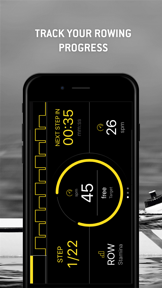
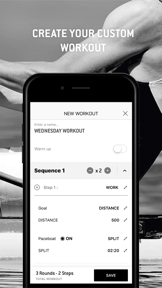
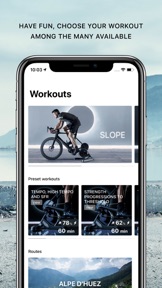


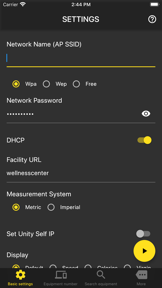


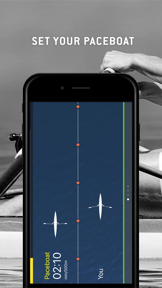
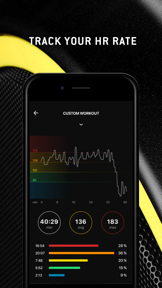


Snapshot
Who is Technogym?
Providing integrated digital training solutions for fitness enthusiasts and facility operators. Bridging the gap between physical equipment and performance data.
Target audience


Portfolio
Free 8Last updated

Technogym: Training & Gym app
v3.43.0
6mo ago
Publisher DNA
What defines Technogym?
Publisher DNA
Primary focus
Health & Fitness · Hardware-integrated training software
Scale
indie
Target audience
Gym-goers and home-fitness enthusiasts using Technogym equipment, alongside professional fitness facility operators and trainers.
Signature Patterns
- •Deep hardware integration with proprietary cardio and strength equipment
- •Freemium and free-to-use models designed to support equipment sales
- •Strong focus on performance-driven metrics and personalized training programs
- •B2B2C approach providing management tools for gym operators alongside consumer-facing apps
Portfolio momentum
Released 13 updates across 8 apps in the last 6 months, indicating a high-frequency development cycle for their core training and equipment-setup tools.
Portfolio
What does Technogym ship?
Apps
8 apps analysed


Rivals
Who does Technogym compete with?
The rivals identified
Nemeses(2)


Both apps target individuals seeking personalized fitness guidance, with Technogym focusing on workout programming while Google Health centers on wearable-based health data aggregation.


Both apps target gym-goers seeking progress tracking, but they diverge on automation versus manual logging. Technogym provides AI-generated routines, while Hevy relies on community-driven social feeds for user retention.
Contenders(11)


Both apps target fitness enthusiasts seeking structured training programs and workout libraries for home or gym use, creating direct competition for the same user base.


Both apps target individuals seeking AI-guided fitness routines, competing directly for users who require personalized strength training plans that adapt to available equipment.


Both apps compete for the same audience of individuals seeking personalized fitness guidance, with Gymverse directly challenging Technogym through AI-driven workout planning and Apple Health integration.


Both apps target individuals seeking structured fitness guidance, with Technogym using AI-driven personalization while Ladder focuses on expert-led, coach-built programming.


30 Day Fitness provides structured, AI-guided home workout challenges for users who prefer a clear 30-day progression.


Both apps target individuals seeking structured fitness guidance, competing for users who prioritize professional coaching content and personalized training routines.


Both apps target fitness-conscious users with hardware-linked software experiences, creating direct competition for users seeking structured, equipment-aware training programs.


Runna offers specialized, dynamic running plans for athletes who find Technogym's general training library insufficient.


Both apps target strength training enthusiasts, competing for the same user base seeking workout tracking and progress management.


Both applications target individuals seeking AI-guided fitness regimens for home and gym environments, creating direct competition for the same user base.


Both apps target individuals seeking personalized fitness guidance for home or gym training, creating direct competition for users evaluating workout planning tools.
Same space(24)


Simple uses AI-driven habit formation to compete for the time and attention of users seeking weight loss guidance.


BODi provides a massive library of instructor-led content that competes with Technogym's on-demand workout offerings.


BetterMe targets the same wellness-seeking audience but adds integrated smart hardware and 1-on-1 human coaching.


ChillFit focuses on low-pressure, equipment-free home fitness, serving a different demographic than Technogym's gym-centric app.


Workout for Women targets time-constrained users with short daily routines, competing with Technogym's on-demand library.


Bevel aggregates health data from multiple wearables to provide coaching, serving as a data-centric alternative to Technogym.


Gym Workout App offers a basic gym-tracking alternative for users needing simple, 3D-guided workout plans.


Foodvisor complements Technogym's fitness tracking by providing AI-powered nutrition monitoring through photo-based food recognition.


Freeletics provides AI-driven coaching for bodyweight and HIIT training, serving users who train without gym equipment.


Garmin Connect serves as the primary data aggregator for performance-oriented users who already own dedicated fitness hardware.


Liftoff gamifies gym consistency through social leaderboards, serving the same gym-going demographic as Technogym.


iFIT Workouts serves the same hardware-integrated fitness market as Technogym, focusing on immersive outdoor content for connected cardio equipment.


Lyfta provides a manual-first gym logging experience for users who prefer control over Technogym's AI-driven coaching.


Fitness Coach offers structured, goal-oriented programming that integrates with HealthKit, serving users who want data-driven gym routines.


MyFitnessPal acts as a nutrition-tracking companion for Technogym users, holding the market lead in food database size.


LazyFit captures the low-impact, home-based fitness niche that Technogym's broader gym-focused app may overlook.


Map My Run serves the broad activity-tracking needs of Technogym users, offering GPS-based logging for over 600 different activity types.


Seven offers time-efficient, high-intensity interval training that complements Technogym's longer workout sessions.


Macadam incentivizes the same physical activity tracked by Technogym by converting steps into a virtual currency for rewards.


MacroFactor provides a metabolic-tracking alternative for Technogym users who prioritize data-driven weight management over equipment-based workout guidance.


The Gym Group provides the physical infrastructure and facility management that Technogym users require to access their equipment.


TrainingPeaks targets endurance athletes with deep physiological data, acting as a professional-grade alternative to Technogym.


Yazio targets the same health-conscious audience as Technogym by integrating calorie tracking with intermittent fasting and activity monitoring.


Zwift targets the performance-focused athlete segment of Technogym's user base by using virtual 3D worlds to gamify indoor cycling and running.
The Analyst's Read
The bottom line on Technogym
Bottom line
Technogym successfully leverages its hardware footprint to anchor its digital ecosystem, maintaining a high-velocity development cycle for its core apps. Their ability to integrate performance data directly from gym equipment provides a distinct competitive advantage over standalone fitness trackers.
Frequently asked questions
How many apps does Technogym publish?
What kind of apps does Technogym make?
What is Technogym's top app?
What fed this analysis
- Apps analyzed:
- 8
- With full intel:
- 0
- With overview:
- 8
- Website scraped:
- yes
- Social presence:
- yes
