Coupang
For general consumers seeking fast retail and food delivery, alongside logistics personnel requiring workforce management tools.
 Coupang - Next Day Delivery


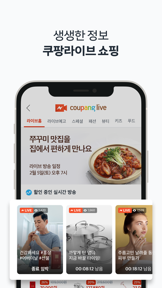


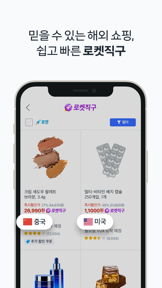


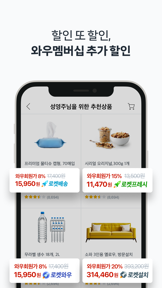
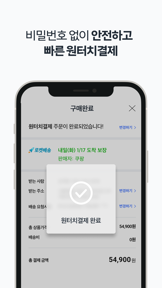


Snapshot
Who is Coupang?
Facilitating rapid e-commerce and food delivery services through a vertically integrated logistics network. Connecting consumers to goods and services with a focus on speed and membership-based benefits.
Target audience


Portfolio
Free 14Last updated

Coupang - Next Day Delivery
v9.3.5
2mo ago
Publisher DNA
What defines Coupang?
Publisher DNA
Primary focus
E-commerce and logistics management platforms
Scale
indie
Target audience
General consumers seeking fast retail and food delivery, alongside logistics personnel requiring workforce management tools.
Signature Patterns
- •Heavy reliance on a freemium or free model to drive platform adoption
- •Integration of workforce management tools alongside consumer-facing marketplaces
- •Strong emphasis on logistics-centric features like real-time tracking and delivery scheduling
- •Unified ecosystem approach linking membership benefits across retail and food delivery
Portfolio momentum
Released 7 updates across 7 apps in the last 6 months, with all major consumer and business-facing titles receiving updates within the last 30 days.
Portfolio
What does Coupang ship?
Apps
14 apps analysed

Analysis in progress

Analysis in progress


Distributed across 12 markets, strongest in Europe.
Based on 4 of 14 apps with localized market data, more coverage rolling in as scans complete · last scanned .
Americas (3)
- United States4 / 4
- Brazil2 / 4
- Mexico2 / 4
Europe (7)
- France2 / 4
- Germany2 / 4
- Italy2 / 4
- Netherlands2 / 4
- Portugal2 / 4
›+2 more europe markets
- Spain2 / 4
- Sweden2 / 4
Asia-Pacific (2)
- South Korea2 / 4
- Japan1 / 4
Core markets (4/4 apps)
Rivals
Who does Coupang compete with?
The rivals identified
Nemeses(2)


Both platforms target urban consumers with subscription-based fee waivers to drive high-frequency food delivery orders.


Both apps compete for value-conscious shoppers by prioritizing rapid fulfillment and integrated logistics, with Coupang focusing on cross-border shipping and Walmart on physical store pickup.
Contenders(12)


7NOW competes with Coupang Eats by targeting convenience-seeking consumers with on-demand delivery of food and household essentials, utilizing a membership-based fee waiver model similar to Coupang WOW.


Both platforms compete for the same on-demand food delivery audience, with Coupang Eats focusing on membership-based loyalty while Bolt Food emphasizes logistics-focused fulfillment.


Both platforms compete for urban consumers by offering food and grocery delivery services, utilizing subscription-based fee waivers to drive user retention.


Both apps compete for the same casual dining audience in the food delivery market, with Dodo Pizza Delivery focusing on direct food sales while Coupang Eats utilizes membership-based incentives.


Both platforms compete for the same consumer wallet share within the local food and grocery delivery market.

known for
Both platforms target urban consumers with on-demand food and grocery delivery, competing directly for share of wallet through membership-based loyalty programs.


Both platforms compete for food delivery market share, with HungryPanda targeting the Asian diaspora while Coupang Eats utilizes the Coupang WOW membership.


Both apps target budget-conscious shoppers seeking affordable international goods, with Joom competing directly for the same cross-border e-commerce market share.


Both apps operate as online retail marketplaces, competing for users seeking consolidated access to electronics, fashion, and home essentials within a single mobile interface.


Both platforms compete for the same urban consumer base by bundling food delivery with subscription-based fee waivers and financial rewards.


Both platforms compete for urban food delivery market share by incentivizing high-frequency usage through subscription models: Coupang WOW and Wolt+.


Both platforms compete for the same food delivery market share by utilizing distinct financial incentives: Coupang Eats uses membership-based fee waivers, while Wonder employs a zero-delivery-fee model.
Same space(34)


Gopuff provides an ultra-fast delivery alternative for urban users, contrasting with Coupang's broader, logistics-heavy retail model.


Shipt offers a premium, high-touch delivery service that competes for the same time-sensitive grocery shoppers as Coupang.


Safeway targets the same grocery-focused demographic as Coupang, using loyalty and pharmacy integration to drive recurring visits.


AliExpress competes for the same bargain-focused global consumer as Coupang, but relies on a fragmented third-party shipping model.


Amazon Shopping is the primary global marketplace rival to Coupang, sharing a similar focus on rapid logistics and broad inventory.


McDonald’s utilizes a direct-to-consumer app to drive store traffic, offering a focused alternative to the broad marketplace of Coupang Eats.


Burger King UK provides a direct-to-consumer ordering channel, focusing on exclusive deals and rewards for its menu.


Chewy serves as a vertical-specific retail alternative for pet owners who also shop on general platforms like Coupang.

known for DHgate-Online Wholesale Stores
DHgate targets the B2B wholesale segment, offering a different procurement workflow than Coupang's consumer-focused retail model.


Domino's functions as a specialized food delivery channel, offering a more streamlined, single-brand experience than Coupang Eats.


Flashfood offers a discount-focused grocery utility, providing a niche alternative for price-sensitive consumers.


Grubhub targets high-value group dining through fee-elimination, contrasting with the membership-based savings model of Coupang Eats.


Instacart focuses on rapid grocery delivery, serving as a specialized utility for household essentials rather than prepared meal delivery.


Dairy Queen uses a loyalty-focused app to drive repeat store visits, providing a specialized alternative to the general delivery model of Coupang Eats.


Jack in the Box offers a branded ordering utility, focusing on loyalty and convenience for its specific restaurant menu.


Just Eat aggregates diverse retail categories into one checkout flow, providing a broader utility than the restaurant-focused Coupang Eats.


It functions as a general enterprise communication platform that overlaps with the administrative needs of warehouse staff but focuses on broad team collaboration rather than specific logistics workflows.


KFC US uses a loyalty-based app to drive mobile ordering, providing a focused alternative to the broader Coupang Eats platform.


Discount Shopping for Amazon acts as a price-aggregator utility, targeting the same value-conscious shoppers who use Coupang.


OfferUp serves as a local secondhand marketplace, providing a circular economy alternative to Coupang's new-goods retail model.


Papa Johns anchors users in a loyalty-based transactional loop, providing a predictable alternative to the broader marketplace of Coupang Eats.


PedidosYa captures regional food and grocery demand, mirroring the multi-category convenience model of Coupang Eats.


Pizza Hut provides a direct-to-consumer ordering channel, competing for the same food delivery occasion as Coupang Eats.


Rappi provides a broad delivery utility for food and retail, competing for the same urban convenience-seeking demographic as Coupang Eats.


SHEIN captures the same budget-conscious fashion audience as Coupang, but utilizes a high-frequency, trend-driven supply chain.


Sam's Club anchors membership retention through pharmacy and fuel services, providing a different utility layer for the same grocery-buying audience.


It serves as a specialized mobile extension for payroll and attendance, mirroring the administrative utility of the source app for a different corporate user base.


Shop acts as a post-purchase utility for independent merchants, contrasting with Coupang's centralized logistics and inventory model.


Slice aggregates local pizzerias into a single ordering platform, serving as a specialized alternative to the broader Coupang Eats marketplace.


Talabat provides a similar transactional model for food and essentials, using regional financial partnerships to drive user retention.


Target serves as a physical-digital hybrid that competes for the same household-goods wallet share as Coupang, but relies on store-based fulfillment.


Temu competes for Coupang's bargain-hunting segment using an aggressive, game-based acquisition model.


Trendyol Go integrates food and grocery delivery, mirroring the multi-category convenience strategy of Coupang Eats.


Zomato competes for urban food spending by bundling restaurant discovery with delivery, similar to the convenience focus of Coupang Eats.
New entrants(1)


Rostic's provides a direct-to-consumer ordering channel for takeaway and delivery, focusing on speed and exclusive promotions.
The Analyst's Read
The bottom line on Coupang
Bottom line
Coupang maintains a disciplined, utility-focused portfolio that bridges the gap between consumer retail and internal logistics operations. Their ability to maintain high-frequency updates across both B2C and B2B2C apps signals a robust, operationally-driven development cycle.
Frequently asked questions
How many apps does Coupang publish?
What kind of apps does Coupang make?
What is Coupang's top app?
In how many countries are Coupang's apps available?
What fed this analysis
- Apps analyzed:
- 7
- With full intel:
- 0
- With overview:
- 7
- Website scraped:
- yes
- Social presence:
- yes