SNG ICT
For casual gamers, including those in regions with limited internet access, who prefer traditional card and board game mechanics.
 Backgammon - Offline












Snapshot
Who is SNG ICT?
Providing accessible, offline-first classic board and card games for casual players worldwide. Focused on delivering reliable, AI-driven entertainment that functions without internet connectivity.
Target audience


Portfolio
Free 29Last updated

Backgammon - Offline
v1.6.3
1.1y ago
Publisher DNA
What defines SNG ICT?
Publisher DNA
Primary focus
Classic board and card games with offline-first AI
Scale
studio
Target audience
Casual gamers, including those in regions with limited internet access, who prefer traditional card and board game mechanics.
Origin
Founded in 2010, the studio transitioned from social networking games to a mobile-first strategy in 2011.
Signature Patterns
- •Strong emphasis on offline-first gameplay and AI-driven opponents.
- •Monetization primarily through a freemium model with virtual economies.
- •Focus on classic, rules-based board and card game adaptations.
- •High-frequency update cadence across the core portfolio.
Portfolio momentum
With 16 releases in the last 6 months and a majority of the portfolio maintained, the publisher is actively iterating on its core library.
Company profile
medium confidence- Founded
- 2010
Portfolio
What does SNG ICT ship?
Apps
29 apps analysed


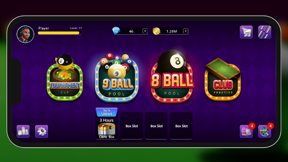
Offline 8 & 9 ball pool with smart AI. No wifi, just real cue action!


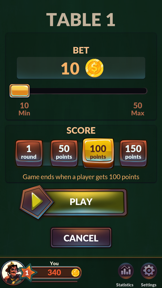
Backgammon is a classic board game. Play with AI offline and become a master.


Single-market publisher, every app ships only to United States.
Based on 4 of 29 apps with localized market data, more coverage rolling in as scans complete · last scanned .
Americas (1)
- United States4 / 4
Core markets (4/4 apps)
Rivals
Who does SNG ICT compete with?
The rivals identified
Nemeses(3)


This app competes for the same simulation-focused player base by offering complex tournament structures and social features.


Serves the same senior and casual gamer demographic with theme-based word grids.


Shares the same casual word-puzzle space with a travel-themed progression loop that competes for daily habit time.
Contenders(18)


Both apps target casual gamers by combining solitaire card mechanics with word puzzles under a free-to-play model.


Both apps target billiards enthusiasts, though they diverge on monetization and connectivity requirements. 8 Ball Strike competes for the same player base by offering competitive, real-money tournaments that contrast with the offline, single-player focus of 8 Ball Billiards - Offline.


Both apps target casual billiards players with progression-based gameplay, creating direct competition for time spent in the billiards category.


Both apps target casual gamers seeking logic-based word puzzles, offering free-to-play categorization mechanics.


Both apps target casual gamers by merging solitaire card sorting mechanics with word categorization logic.


Both apps compete directly for casual puzzle players by focusing on word categorization logic. The rival uses a 16-word grouping format, while the source app applies solitaire card-sorting mechanics to the same core puzzle type.


Both apps target the single-player offline billiards market using freemium models and AI-driven progression systems.


Both apps compete directly for casual gamers by combining classic solitaire mechanics with word-based puzzles and offering offline play support.


Solitaire Word Match competes directly by targeting the exact same niche: blending classic solitaire sorting with word-association logic for offline play.


Both apps target the casual mobile billiards market, competing for the same user base interested in pool simulations.


Real Pool 3D competes for the same billiards-focused audience by offering a broader set of game modes and physics-based simulation, directly challenging the single-player focus of 8 Ball Billiards - Offline.


Both apps target casual puzzle players with category-based word sorting mechanics, competing directly for users seeking logic-driven vocabulary challenges.


Direct overlap in core gameplay mechanics: both apps combine solitaire card sorting with word categorization logic for casual puzzle gamers.


Both apps target the offline billiards market with free-to-play models, directly competing for users seeking single-player pool simulation without connectivity requirements.


Both apps compete for the same casual billiards audience, though they diverge on the core requirement of internet connectivity for gameplay.


Both apps target casual billiards players, but Pool captures the competitive multiplayer segment while 8 Ball Billiards - Offline serves the offline, single-player niche.


Both apps target casual billiards players with freemium models, competing for the same time-share in the sports simulation category.


Both apps target the casual, offline-first billiards market, competing for the same user segment that prioritizes single-player progression without internet connectivity.
Same space(37)


Targets the same casual vocabulary-practice audience with a swipe-to-connect mechanic.


Targets the same relaxing, color-logic casual puzzle audience.


Targets the same low-stress, tactile casual puzzle audience.


Targets the same logic-puzzle audience by using card-based mechanics for deduction.


Targets the same casual mental-reset ritual audience using grid-clearing logic.


Targets the same casual puzzle audience through tactile sorting mechanics.


It diverges from traditional simulation by integrating arcade-style combat mechanics to appeal to a broader, non-purist audience.


Targets the same word-association audience with a simple matching mechanic.


Targets the same casual puzzle audience with a social-first community system.


This app appeals to the same physics-focused demographic by prioritizing precise cue control and simulation accuracy over arcade progression.


It offers a high-fidelity alternative for players seeking authentic cue ball behavior through a specialized physics engine.


Targets the same card-game audience with a classic Klondike-based logic challenge.


Shares the casual card-game category but focuses on classic solitaire rather than word-association hybrids.


Targets the same Zen-like, offline-first casual puzzle audience.


Directly overlaps with the word-association solitaire hybrid space.


Shares the same thematic word-grouping logic as the source app for casual play.


Offers a similar logic-based word challenge for the same casual puzzle demographic.


This app offers a hybrid experience that bridges the gap between offline practice and online competitive play for snooker enthusiasts.


Competes for the same low-pressure, spatial-logic audience through handcrafted level progression.


Targets the same offline-first, logic-based casual puzzle audience.


Targets the same meditative, short-session casual puzzle audience.


This app captures a similar physics-based sports audience but prioritizes multiplayer engagement over the offline-first focus of the source app.


Targets the same logic-puzzle demographic by blending Sudoku and Minesweeper mechanics.


Serves the same casual card-game audience with a suite of classic solitaire variants.


Competes for the same hybrid-puzzle audience by combining word-building with solitaire mechanics.


Targets the same word-association audience with a grid-based connection mechanic.


Combines solitaire mechanics with sorting challenges for the same casual puzzle audience.


Blends jigsaw and solitaire mechanics, appealing to the same hybrid-puzzle audience.


Targets the same casual card-game audience with a minimalist, high-contrast interface.


It provides a nostalgic, ad-free alternative for players who prefer a static, classic simulation experience without modern monetization.


It targets players seeking a mix of social competition and offline skill-building through a realistic snooker simulation.


Captures the same casual-senior demographic as the source app through automated card movement.


Shares the casual brain-training audience but focuses on humorous riddles rather than card-based word sorting.


Shares the same casual puzzle demographic by using tactile sorting mechanics for stress relief.


Dominates the word-puzzle category with a massive content library that attracts the same casual puzzle audience.


Competes for the same word-puzzle audience by leveraging a massive social graph for multiplayer engagement.


Targets the same casual card-game audience with a distraction-free, offline-first experience.
New entrants(4)


Targets the same visually-oriented casual puzzle audience.


Targets the same logic and deduction-focused puzzle audience.


Combines solitaire mechanics with image-building for the same casual puzzle audience.


Targets the same casual puzzle audience with tile-matching mechanics for stress relief.
The Analyst's Read
The bottom line on SNG ICT
Bottom line
SNG ICT maintains a stable, high-utility portfolio by focusing on the 'offline-first' segment of the classic games market. Their ability to sustain engagement through AI-driven mechanics provides a reliable, low-churn foundation for their mobile presence.
Frequently asked questions
How many apps does SNG ICT publish?
What kind of apps does SNG ICT make?
What is SNG ICT's top app?
In how many countries are SNG ICT's apps available?
What fed this analysis
- Apps analyzed:
- 29
- With full intel:
- 0
- With overview:
- 29
- Website scraped:
- yes
- Social presence:
- yes