


HyperBeard
For casual gamers seeking low-stress, aesthetically pleasing experiences, often interested in interior design, pet collection, and inclusive storytelling.
 Pocket Love!


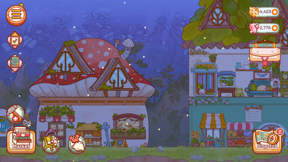


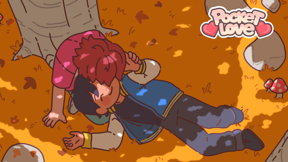








Snapshot
Who is HyperBeard?
Providing wholesome, 'cute-casual' mobile experiences that prioritize inclusivity and relaxation for a global audience.
Target audience


Portfolio
Free 17Last updated

Pocket Love!
v4.0.2
5mo ago
Publisher DNA
What defines HyperBeard?
Publisher DNA
Primary focus
Cute-casual simulation and idle games
Scale
studio
Target audience
Casual gamers seeking low-stress, aesthetically pleasing experiences, often interested in interior design, pet collection, and inclusive storytelling.
Origin
The largest mobile game developer and publisher in Mexico.
Signature Patterns
- •Consistent 'cute-casual' aesthetic featuring soft colors and cartoon art styles.
- •Core mechanics centered on idle collection, home decoration, and pet interaction.
- •Monetization mix of rewarded video ads, IAPs for 'Love' currency, and Apple Arcade subscriptions.
- •Strong emphasis on inclusive character customization and LGBTQ+ friendly narratives.
Portfolio momentum
Maintains an exceptionally high development cadence with 34 updates across 17 active titles in the last six months.
Company profile
medium confidence- Headquarters
- Mexico
Portfolio
What does HyperBeard ship?
Apps
17 apps analysed

Love cute games with lots of pride? Fun house simulator with partner & cat pets!

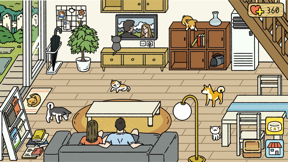
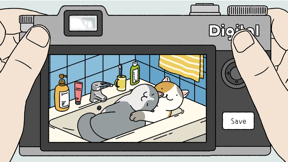
Passive simulation loop maximizes ad-inventory per active user
- Relaxing and cozy aesthetic design provides a peaceful escape for casual players
- Aggressive ad frequency disrupts the core gameplay loop and user experience

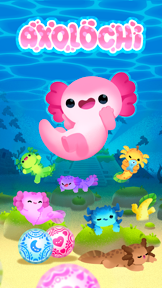


Offline-first architecture captures travel-heavy casual segments
- Virtual pet care mechanics provide a relaxing and low-stress experience for casual players
- Progression reset mechanics during the evolution cycle cause frustration for long-term players

Offline-capable core loop reduces dependency on connectivity
- Adorable character designs and satisfying collection mechanics drive long-term engagement for casual players
- Increasing wait timers for egg hatching create artificial progression bottlenecks that frustrate active players

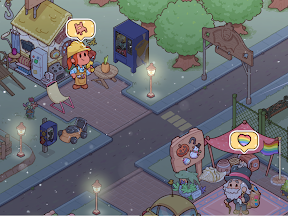
A sim dream! Build, manage, and decorate a cottagecore community of cute fairies


Unisex character models enable diverse expression
- Cozy aesthetic and relaxing gameplay loop provide a meaningful escape from daily stress for players
- Aggressive ad placement and frequency disrupt the relaxing atmosphere for players who prefer a premium model

Relax and care for adorable hamsters in this cute hotel management & care game.


Strong, positive community sentiment
- Aesthetic and Character Design
- Lack of Content/Longevity
Distributed across 10 markets, strongest in Europe.
Based on 7 of 17 apps with localized market data, more coverage rolling in as scans complete · last scanned .
Americas (3)
- Brazil7 / 7
- Mexico7 / 7
- United States7 / 7
Europe (5)
- France7 / 7
- Germany7 / 7
- Portugal7 / 7
- Spain7 / 7
- Italy6 / 7
Asia-Pacific (2)
- Japan7 / 7
- South Korea7 / 7
Core markets (7/7 apps)
User Sentiment
How do users feel about their apps?
11
Positive apps
2
Neutral / mixed
1
Negative apps
76/100
Avg sentiment score
Unlock the app dragging this portfolio down.
Access the full report for freeRivals
Who does HyperBeard compete with?
The rivals identified
Nemeses(7)


Targets the casual simulation market with a zen-gardening focus that contrasts with high-pressure cooking games.


Both apps target the casual village-building simulation audience with offline-first gameplay loops and ad-supported monetization models.


Both apps compete for the same casual simulation audience by offering sushi-themed restaurant management mechanics, forcing users to choose between Kuma Sushi Bar's cozy, ad-light experience and Sushi Bar Idle's aggressive idle-tycoon progression.


Both titles target casual simulation players through offline-first idle farming loops, creating direct competition for the same low-intensity, mobile-first gaming demographic.


Both apps target the same casual audience through pet collection mechanics, creating direct competition for the same user base.


Shares the casual puzzle space but prioritizes offline-first architecture over the narrative-driven loop found in Meow Tower.


This app shares the exact 'cute, collection-based idle management' loop as Clawbert while maintaining a significantly higher update velocity and massive user scale.
Contenders(37)


Both apps target the casual virtual pet demographic, with Cat Escape adding active hide-and-seek puzzle mechanics to the core collection loop.


Provides a narrative-driven life simulation that complements the source app's management gameplay.


A dominant force in the idle-collection genre that sets the industry standard for scaling simple mechanics into a complex economy.


Both apps target casual gamers through hotel management simulations, competing for the same time-management and resource-allocation player base.


Both apps target the nonogram puzzle category, competing for the same casual logic-puzzle audience through grid-based mechanics.


Both apps target the casual farming simulation audience with offline-first architectures, competing for players seeking low-pressure, slow-paced island development experiences.


Both apps compete for the same casual simulation audience by offering village-building mechanics and community management features. They overlap in the idle simulation category, forcing users to choose between distinct aesthetic and cultural themes.


Both apps compete for the same hotel management simulation audience, requiring players to serve guests and manage staff within a service-oriented gameplay loop.


Both apps target casual gamers within the hotel-management simulation sub-genre, competing for the same time-management and tycoon-style gameplay audience.


Both apps compete for the same casual simulation audience by utilizing farming loops and resource management mechanics to drive daily engagement.


Both apps target casual gamers through hotel management simulation loops, creating direct competition for time spent in the cozy management genre.


Both apps target casual puzzle players using nonogram logic mechanics, competing for the same time-share within the puzzle category.


Both apps target the casual, stress-relief demographic through cat-themed virtual pet and room decoration mechanics. They compete directly for the attention of users seeking low-pressure, cozy gameplay experiences.


Both apps target the casual simulation market with cottagecore or fantasy village-building themes and emphasize offline progression mechanics.


Both apps compete for the same casual agricultural simulation audience, though they diverge on aesthetic and mechanical complexity.


Both apps target the casual farming simulation audience, competing for the same player base through core farming loops and social-cooperative mechanics.


Directly competes for the same 'cute collection' audience but uses a merge-puzzle mechanic instead of a claw machine.


Both apps target the casual virtual pet collection market, competing for the same low-pressure, cozy-aesthetic audience through passive collection loops.


Both titles target casual simulation players through aesthetic-focused farming mechanics and freemium monetization models.


Both apps target the cozy hotel management simulation market with free-to-play models, directly competing for the same casual audience.


Both apps compete for the same casual logic-puzzle audience by utilizing grid-based picture reveal mechanics as their primary engagement loop.


Both apps target the casual virtual pet collection market, focusing on cat-themed aesthetic loops and item crafting. They compete directly for the attention of players seeking low-stress, character-driven collection experiences.


Both titles target the restaurant management simulation audience, competing for time-share through idle-style progression and kitchen operations.


Both apps target casual gamers through idle management mechanics within the hotel simulation genre, competing directly for time share in the casual gaming market.


Both apps target the casual gardening and farming simulation market, competing for players seeking aesthetic-focused, low-stress gameplay loops.


Both apps target the casual restaurant simulation audience, competing for engagement within the sushi-themed sub-genre through overlapping management mechanics.


Both apps compete for the same casual management simulation audience by offering freemium, progression-based idle gameplay loops.


Both apps target casual simulation players seeking low-pressure, therapeutic farming experiences, creating direct competition for the same demographic.


Both titles target casual restaurant management gamers, with Food Street capturing a larger audience through social trading and 3D simulation mechanics.


Tiny Village competes for the same casual simulation audience by offering village-building mechanics and resource management, though it pivots to a prehistoric theme and social-heavy trade features.


Both apps compete for the same nonogram puzzle audience, but they diverge in their core value: Meow Tower prioritizes a cozy narrative and decoration loop, while Nonograms Katana focuses on pure logic puzzle mechanics.


Provides a grid-based logic deduction experience that competes for the same brain-training audience as Meow Tower.


Both apps target casual gamers interested in virtual pet simulation and home decoration, creating direct competition for time spent in the pet collection category.


Both titles target the restaurant management simulation audience, sharing core mechanics like staff management and food service loops. They compete for the same casual player base seeking to manage food preparation and customer service.


Both apps target casual simulation players through farming mechanics and offline play, creating direct competition for the same daily-habit demographic.


Both titles target casual gamers through restaurant management simulation mechanics, creating direct competition for the same audience segment.


Both titles target the restaurant management simulation category, specifically focusing on sushi preparation mechanics to attract casual players.
Same space(62)


Idle Cat Gunner competes for the same casual cat-enthusiast demographic but replaces passive home-care with active merge-driven progression loops.


Competes for casual player attention through a visually-oriented ant-swarm simulation that mirrors the satisfaction of Meow Tower's decoration loop.


A massive, community-driven character creation platform that captures the 'gacha' interest of the target's audience.


Shares the 'cute, interactive pet' theme, though it focuses on active caretaking rather than collection-based idle mechanics.


This app appeals to the same casual audience through decorative simulation but replaces cat collection with hidden object puzzle mechanics.


Shares the cat-themed casual puzzle space, focusing on block-dropping mechanics rather than Nonograms.


Find The Cat 2 shares the cat-themed aesthetic appeal of Adorable Home while offering a more active, puzzle-based engagement model.


Shares the agricultural management theme but fails to retain users due to forced ad-monetization that blocks core gameplay.


This app focuses on the logistical and time-management aspects of tower operations, contrasting with the relaxing, low-stress idle loop of Hamster Inn.


Directly competes in the Nonogram category by offering a massive content library that scales from easy to expert difficulty.


Operates in the same arcade cooking space, relying on a massive, long-standing user base for retention.


BitLife provides a text-based alternative for users seeking life simulation, though it shifts focus from aesthetic home-building to narrative-driven life choices.


Shares the time-management cooking genre but emphasizes offline-first accessibility.


Targets the same casual simulation demographic by focusing on competitive runway events rather than idol management.


Targets the same casual simulation demographic with a progression-based idle loop.


Directly targets the K-pop idol producer audience with agency and group management features.


Uses idle tycoon mechanics to simulate a career path, similar to the source app's management loop.


Provides a high-quality, ad-free alternative for logic puzzle players who value educational feedback over narrative.


Uses idle tycoon mechanics for a rap career simulation, appealing to the same management-sim demographic.


Offers a merge-based puzzle loop that provides similar relaxing, character-driven progression to Meow Tower.


Serves the high-fidelity fashion simulation market with a narrative-driven campaign that competes for the same player time.


A high-production-value park builder that targets the same casual, collection-focused demographic as the target app.


Shares the idle management simulation genre, focusing on festival-building instead of idol groups.


Uses a card-matching puzzle loop to provide a relaxing experience for casual players, similar to Meow Tower's logic focus.


Offers a color-sorting puzzle experience that competes for the same casual player time as Meow Tower's logic puzzles.


Offers a similar food-themed simulation experience but utilizes an offline-first puzzle engine.


This app shares the hotel management simulation genre but targets players seeking broader resort-scale building rather than the intimate, character-focused hotel management found in Hamster Inn.


Shares the pixel-art aesthetic and progression-based loop of Meow Tower but focuses on city-building rather than room decoration.


Provides a grid-based logic challenge that serves as a direct alternative for players seeking brain-training puzzles.


Targets the management-sim audience with a focus on streaming agency growth.


Competes for the same casual agricultural simulation demographic but lacks the retention-driving meta-game systems found in the source app.


Offers an idle tycoon management experience that coexists with the source app's management genre.


Provides a similar K-pop girl group management experience for the same target audience.


Targets casual puzzle players with a grid-based logic mechanic, though it lacks the cozy narrative of Meow Tower.


This app shifts the core loop from passive collection to active merge-based management while maintaining a similar cat-themed casual aesthetic.


Uses a narrative-driven progression loop similar to Meow Tower, though it focuses on ancestral history rather than cat decoration.


Provides a traffic-themed puzzle loop that competes for the attention of casual players seeking short mental exercises.


Provides a music festival management simulation that targets the same casual idle-game audience.


Targets the time-management cooking audience with a focus on responsive tap controls.


Targets the restaurant management simulation audience with a focus on cafe-specific business and design.


Shares the casual restaurant restoration theme but uses a merge-puzzle loop to drive engagement.


Targets younger casual gamers with avatar customization, overlapping with the source app's aesthetic focus.


Targets the same simulation audience but shifts from casual IAP-based growth to a subscription-gated, detailed management experience.


Shares the time-management cooking genre, though it relies on a more intense, high-pressure kitchen loop.


Targets a younger demographic with a creative cooking simulation that emphasizes ad-free play.


Targets the same time-management cooking audience with a focus on global culinary themes.


Blends jigsaw and block puzzle mechanics to provide a satisfying, relaxing experience similar to Meow Tower's puzzle loop.


Shares the LGBTQ+ inclusive focus and cozy idle management style of the source app.


Competes for the K-pop management niche with a granular agency-management loop.


Directly competes with Meow Tower's room-decoration loop by focusing on interior design and furniture assembly.


Coexists as a relaxing, low-pressure idle simulation focused on pet collection and village decoration.


Competes for the same casual simulation audience by prioritizing long-term farming loops.


Shares the restaurant management simulation theme and targets casual players seeking offline-capable gameplay.


Family Life! competes for the same casual life-simulation demographic by offering a similar offline-first experience, though it emphasizes career and relationship choices over cottagecore aesthetics.


Represents the high-end of the social-simulation genre, competing for the same casual, aesthetic-focused audience.


Targets the same logic-puzzle audience with a grid-based format and a professor character that adds personality to the experience.


Occupies the same casual farming space but offers a simplified, repetitive experience focused on basic sowing and harvesting tasks.


Targets the same casual demographic as Meow Tower but uses large-scale UI and board game mechanics to drive engagement.


Shares the sushi/cooking theme but focuses on a peaceful, stress-free ASMR experience.


Offers a direct management simulation alternative for K-pop fans with a focus on chart competition.


Competes for the same time-management cooking audience by utilizing a massive 3000+ level progression loop.


Tuana serves the same cozy simulation niche as Fairy Village, focusing on yard and house decoration with a similar emphasis on relaxing, ambient soundscapes.
New entrants(5)


Shares the sushi-making theme but focuses on a fast-paced conveyor belt puzzle mechanic.


Provides a color-sorting puzzle experience that targets the same casual, visually-oriented audience as Meow Tower.


This app diverges from virtual collection by using real-world photography to map a user's life through cat encounters.


A recent, high-velocity entrant that demonstrates how simple, daily-habit mechanics can capture significant market share.


Combines idle tycoon mechanics with character-driven progression, similar to the source app's management style.
The Analyst's Read
The bottom line on HyperBeard
Bottom line
HyperBeard is a category leader in the wholesome gaming space, leveraging a distinct artistic brand to maintain high user sentiment across a fully active portfolio. Their successful expansion into Apple Arcade demonstrates the cross-platform viability of their 'cute-casual' IP beyond traditional ad-supported models.
Frequently asked questions
How many apps does HyperBeard publish?
What kind of apps does HyperBeard make?
What is HyperBeard's top app?
In how many countries are HyperBeard's apps available?
What fed this analysis
- Apps analyzed:
- 17
- With full intel:
- 17
- With overview:
- 17
- Website scraped:
- yes
- Social presence:
- yes