


ICON Health & Fitness
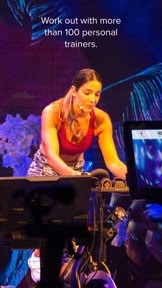
For home gym owners and fitness enthusiasts seeking structured, instructor-led guidance across various modalities.
 iFIT Workouts







Snapshot
Who is ICON Health & Fitness?
Providing an integrated fitness ecosystem that synchronizes trainer-led workouts with connected home gym equipment.
Target audience


Portfolio
Free 7Last updated

iFIT Workouts
v3.8.1
6mo ago
Publisher DNA
What defines ICON Health & Fitness?
Publisher DNA
Primary focus
Connected fitness ecosystem and trainer-led home workouts
Scale
indie
Target audience
Home gym owners and fitness enthusiasts seeking structured, instructor-led guidance across various modalities.
Signature Patterns
- •Deep integration with proprietary fitness hardware via SmartAdjust™ technology
- •Subscription-based monetization featuring multi-user family tiers
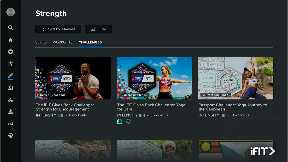
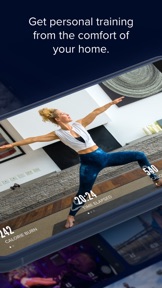
- •High-production-value, trainer-led video content across diverse exercise modalities
- •Increasing focus on AI-driven personalization for equipment-free workout generation
Portfolio momentum
Maintains a high update frequency with 17 releases in the last 6 months, though active development is concentrated on 43% of the total portfolio.
Company profile
medium confidence- Headquarters
- Utah, USA
Portfolio
What does ICON Health & Fitness ship?
Apps
7 apps analysed


At Home Workouts and Fitness Coach | Activity Tracker | Cardio, Abs, Elliptical


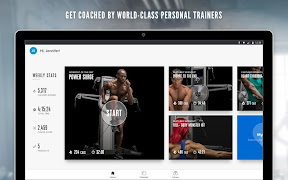
Requires Fusion CST machine to access cardio and strength video workouts.



Single-market publisher, every app ships only to United States.
Based on 1 of 7 apps with localized market data, more coverage rolling in as scans complete · last scanned .
Americas (1)
- United States1 / 1
Core markets (1/1 apps)
User Sentiment
How do users feel about their apps?
0
Positive apps
0
Neutral / mixed
1
Negative apps
25/100
Avg sentiment score
Rivals
Who does ICON Health & Fitness compete with?
The rivals identified
Nemeses(2)


Calo simplifies food tracking for users who want quick, AI-assisted logging to pair with their fitness goals.


Both apps compete for fitness enthusiasts by offering structured workout tracking, with Liftoff focusing on gym-based gamification and iFIT Personal Trainer (Alpha) prioritizing AI-driven personalization.
Contenders(20)


Both platforms target home fitness enthusiasts with instructor-led content, creating direct competition for the same subscription-based user base.


Both applications target the home-fitness segment by offering personalized workout routines, creating direct competition for users seeking equipment-free training plans.


Both apps target home-based fitness users with AI-driven coaching, creating a direct conflict between iFIT's premium cinematic experience and the rival's accessible, equipment-free model.


Nike Run Club offers free, high-production coaching for runners that complements iFIT's general fitness plans.


Both apps compete for the same user's daily fitness time and health data integration, targeting individuals who track physical activity. Map My Fitness captures the broad-market activity tracking segment, while iFIT focuses on guided, cinematic coaching.


Both applications target users seeking personalized, home-based fitness routines without gym equipment, creating direct competition for the same audience segment.


Both applications target individuals seeking personalized fitness routines, with iFIT Personal Trainer (Alpha) using AI-driven scheduling while BetterMe provides a broader wellness platform including nutrition and mental health support.


Both apps target fitness enthusiasts seeking structured, trainer-led programs, but Centr provides a platform-agnostic alternative for users frustrated by iFIT's hardware-dependent connectivity failures.


Both apps compete for home-based fitness users by offering personalized workout plans, though they diverge on coaching style and equipment requirements.


Both apps target fitness enthusiasts within the same brand family, but they diverge between hardware-integrated cardio sessions and AI-driven personalized coaching plans.


ICG Training competes for the same indoor cycling audience by offering hardware-integrated tracking for ICG cycles, directly overlapping with the connected cardio focus of iFIT Workouts.


Both apps target users seeking structured, personalized fitness plans, but Fitness Coach captures a broader audience through time-efficient 30-minute sessions compared to the equipment-heavy, cinematic focus of iFIT Personal Trainer.


Both applications target users seeking AI-driven, personalized fitness plans at no cost, creating direct competition for the same user base.


Both apps target users seeking structured fitness guidance, though iFIT Workouts focuses on hardware-integrated cardio while Fitness at Home targets general weight loss through meal plans and activity tracking.


Sworkit competes by offering a platform-agnostic, flexible alternative for users frustrated by the hardware dependency and recent stability failures of iFIT Workouts.


Both applications target individuals seeking equipment-free fitness routines, creating direct competition for time-constrained users who prioritize personalized exercise plans.


Both platforms target fitness enthusiasts seeking structured programs, but Playbook competes by offering a decentralized marketplace of 500 plus influencers rather than iFIT's centralized, hardware-integrated production model.


Both applications target users seeking AI-driven fitness programming that adapts to individual health metrics, equipment availability, and daily scheduling constraints.


Both applications target users seeking AI-generated fitness plans, directly competing for the same audience through automated workout personalization.


Both apps compete for the home-fitness market by offering short, accessible workout routines that require no gym equipment.
Same space(27)


AllTrails serves as a primary navigation tool for outdoor activities that fall outside iFIT's indoor-focused training.


Fitbod offers an AI-driven strength training alternative for users seeking adaptive routines without iFIT's specific AI coach.


Garmin Connect aggregates deep physiological telemetry for users who rely on dedicated hardware rather than app-only coaching.


Google Health (Fitbit) serves as the central data-aggregation layer for iFIT users who rely on wearables to track their activity and sleep.


Lyfta provides a manual-first gym logging experience that appeals to power users who prefer control over iFIT's guided routines.


MyFitnessPal acts as a comprehensive nutrition database for users who need to track intake alongside their iFIT workouts.


Peloton provides a premium studio-class experience for users who want instructor-led motivation rather than iFIT's AI-driven coaching.


Runna delivers science-backed running plans for users who need more dynamic coaching than iFIT's general routines.


Technogym serves as a digital bridge for iFIT users who utilize Technogym hardware in gym settings.


Muscle Monster offers a massive library of fitness movements for home-based training, serving as a content-heavy alternative to iFIT.


TrainingPeaks provides professional-grade performance analytics for endurance athletes who find iFIT's content too casual for their training needs.


Zwift offers a virtual social environment for cyclists that complements iFIT's focus on indoor training.


Simple uses AI-driven habit formation to support weight loss, serving as a behavioral-focused companion to iFIT's physical training.


Bend focuses on mobility and flexibility to support recovery for users following iFIT's high-intensity routines.


ChillFit targets the home-fitness market with low-impact, soothing routines that contrast with iFIT's high-intensity cinematic coaching.


EvolveYou offers a structured strength-training path for women, providing a community-focused alternative to iFIT's general cardio-heavy focus.


Bevel acts as a data-aggregation layer for iFIT users, synthesizing fragmented wearable metrics into a single coaching interface.


Gymverse uses AI to automate progression, providing a hands-off alternative to iFIT's trainer-led video guidance.


Hevy provides a manual logging alternative for users who prefer tracking their own lifting progress over iFIT's AI-generated plans.


LADDER replaces iFIT's video-led cardio with expert-led, team-based strength programming for busy professionals.


Da Fit provides a hardware-agnostic tracking layer for users with budget-friendly wearables.


Calorie Counter by Numify offers automated nutritional logging for users who need to track intake alongside their fitness activities.


StressWatch monitors stress levels via biometric data to provide a holistic view of health alongside iFIT's fitness plans.


Strong appeals to powerlifters who prioritize clean, distraction-free logging over iFIT's cinematic guided sessions.


MacroFactor offers a data-driven nutrition alternative for users who want metabolic accuracy alongside their fitness routine.


WHOOP provides continuous biometric monitoring for users who want 24/7 physiological data beyond iFIT's session-based tracking.


Withings integrates medical-grade hardware data for users who prioritize clinical accuracy in their health tracking.
The Analyst's Read
The bottom line on ICON Health & Fitness
Bottom line
iFIT is a well-positioned leader in the connected fitness category, leveraging hardware integration to maintain a high-retention subscription model. Their pivot toward AI-driven coaching suggests a move to capture market share from software-only incumbents while maintaining their core hardware moat.
Frequently asked questions
How many apps does ICON Health & Fitness publish?
What kind of apps does ICON Health & Fitness make?
What is ICON Health & Fitness's top app?
In how many countries are ICON Health & Fitness's apps available?
What fed this analysis
- Apps analyzed:
- 7
- With full intel:
- 1
- With overview:
- 7
- Website scraped:
- yes
- Social presence:
- yes
