


MAG Interactive
For casual mobile gamers and puzzle enthusiasts seeking mental exercise and social competition.
 WordBrain - Word puzzle game










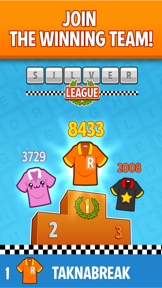


Snapshot
Who is MAG Interactive?
Creating social and competitive word puzzle experiences that challenge the mind through real-time multiplayer gameplay.
Target audience


Portfolio
Free 20Last updated

WordBrain - Word puzzle game
v1.50.1
4mo ago
Publisher DNA
What defines MAG Interactive?
Publisher DNA
Primary focus
Social word games and competitive trivia
Scale
studio
Target audience
Casual mobile gamers and puzzle enthusiasts seeking mental exercise and social competition.
Signature Patterns
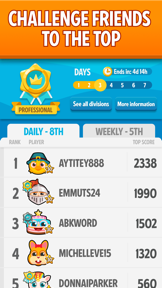
- •Strong emphasis on real-time multiplayer and PvP duels within the word genre
- •Consistent use of Daily Challenges to drive retention across the portfolio
- •Freemium monetization model applied across all major titles
- •High-frequency update cadence for legacy titles to maintain active user bases
- •Integration of tactical layers like boosters and power-ups into traditional word mechanics
Portfolio momentum
With 31 releases in the last 6 months and 11 out of 12 apps currently active, the publisher demonstrates an aggressive live-ops and update strategy.
Portfolio
What does MAG Interactive ship?
Apps
20 apps analysed

The crossword game that trains your brain! Play word puzzles, master clues, win!


Analysis in progress

Tap to shoot matching color blocks, enjoy smooth explosions with relaxing ASMR



Offline-first architecture expands addressable market in low-connectivity segments
- Addictive core gameplay loop provides a satisfying time-killer for casual gaming sessions
- Excessive ad frequency and duration disrupt the flow of gameplay sessions

🌟 Embark on solo quests and thrilling arena battles – be a trivia champion! 🌟


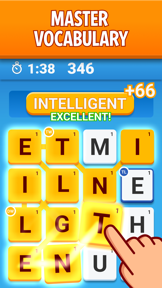
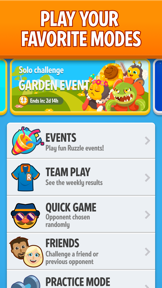
Offline practice mode removes connectivity dependency required by social-first competitors
- Core word-finding gameplay remains highly addictive and mentally stimulating for long-term players
- Frequent game freezing and screen flickering during matches force users to restart the application
Distributed across 20 markets, strongest in Europe.
Based on 5 of 20 apps with localized market data, more coverage rolling in as scans complete · last scanned .
Americas (4)
- United States5 / 5
- Mexico4 / 5
- Brazil3 / 5
- Canada1 / 5
Europe (9)
- France4 / 5
- Germany4 / 5
- Spain4 / 5
- Italy3 / 5
- Netherlands3 / 5
›+4 more europe markets
- Portugal3 / 5
- Sweden3 / 5
- Turkey1 / 5
- United Kingdom1 / 5
Asia-Pacific (7)
- Singapore2 / 5
- Vietnam2 / 5
- Australia1 / 5
- India1 / 5
- Indonesia1 / 5
›+2 more asia-pacific markets
- Japan1 / 5
- South Korea1 / 5
Core markets (5/5 apps)
User Sentiment
How do users feel about their apps?
0
Positive apps
3
Neutral / mixed
1
Negative apps
43/100
Avg sentiment score
Unlock the app dragging this portfolio down.
Access the full report for freeRivals
Who does MAG Interactive compete with?
The rivals identified
Nemeses(6)


Word Wars overlaps with the real-time PvP focus of Word Domination by utilizing high-frequency tournament loops and social dueling.


This app captures the same casual puzzle demographic by blending Sudoku logic with Minesweeper deduction mechanics.


Word Crack serves the same asynchronous multiplayer word-game market but relies on tournament leagues to sustain long-term engagement.


Targets the same casual crossword audience as Crozzle but focuses on a solitary, educational experience.


This app is the direct thematic ancestor of the block-shooting genre, maintaining a massive, highly-engaged user base that defines the standard for the category.


Dominates the narrative-driven renovation genre with massive scale and a high-frequency update cadence that keeps content fresh.
Contenders(28)


A high-scale competitor that dominates the puzzle category by blending Sudoku-style logic with block-placement mechanics.


Competes for the same casual puzzle audience by offering a minimalist, offline-capable interface for daily mental training.


Both applications target casual word puzzle enthusiasts through turn-based mechanics and a freemium pricing model.


Both apps compete for the casual word-puzzle audience by offering freemium word-based gameplay, though they differ in their focus on competitive versus meditative experiences.


Targets the same competitive multiplayer trivia audience with global leaderboards and country-wide challenges.


Both apps target casual word puzzle enthusiasts with turn-based competition, creating direct competition for daily active time.


Both apps target the casual word puzzle market, competing for the same user base through freemium models and daily brain training mechanics.


Both apps compete for the casual word puzzle audience by offering distinct approaches to word construction: real-time competitive duels versus solitary, low-pressure tile-based puzzles.


Both apps compete for the casual word puzzle audience by offering daily brain training, though they differ in their core mechanics of turn-based competition versus classic daily content loops.


Both apps target casual word puzzle enthusiasts, competing for daily engagement through free-to-play crossword mechanics.


Both apps target casual word puzzle enthusiasts, competing for daily engagement within the crossword category through shared puzzle-solving mechanics.


Both apps target casual word puzzle gamers, competing for time in the same category through distinct mechanics: real-time PvP versus offline visual logic puzzles.


Both apps compete for the same general knowledge trivia audience by offering freemium multiplayer challenges and category-based gameplay.


Both apps compete for the general knowledge trivia audience, though JQGo focuses on local social gatherings while QuizDuel targets global online matchmaking.


Directly competes in the mansion renovation niche by utilizing merge mechanics instead of word or match-3 puzzles.


Blends trivia with puzzle elements in a minimalist aesthetic for casual players.


A massive competitor in the renovation space that uses match-3 mechanics to drive home design progression.


Both titles compete for the casual word puzzle audience, forcing users to choose between real-time competitive duels and narrative-driven home renovation progression.


Both apps target crossword enthusiasts, but they diverge on core mechanics: Redstone prioritizes professional-grade, offline-capable puzzle utility, while Crozzle focuses on competitive, turn-based social matches.


Both apps compete for the same casual word-puzzle audience by offering competitive, skill-based gameplay loops that prioritize rapid, session-based engagement.


Both apps target competitive trivia enthusiasts with real-time multiplayer mechanics and Elo-rated progression, creating direct competition for the same casual gaming demographic.


Both apps compete for the casual word-puzzle audience by offering multiplayer mechanics that prioritize social competition and turn-based word construction.


Both apps compete for the casual word puzzle audience by offering distinct tactical mechanics within the freemium model.


Both applications compete for the general knowledge trivia audience, with Trivia: Knowledge Trainer Quiz targeting intellectual growth seekers while QuizDuel focuses on competitive multiplayer trivia.


Both apps compete for the same casual word puzzle audience by offering distinct mechanical loops, specifically real-time PvP duels versus match-three hybrid progression.


While a match-3 variant, it competes for the same 'relaxing puzzle' screen time and audience segment.


Both apps target the general knowledge trivia market with free-to-play models, competing for the same casual gaming audience seeking knowledge-based challenges.


Shares the trivia quiz format but relies on a licensed television brand to attract users.
Same space(61)


Offers a thematic, trivia-based approach to word puzzles that differentiates it from standard grid-based games.


Serves the same casual puzzle audience by providing a high-volume, offline-capable loop that functions as a daily mental escape.


Word Blast targets the same casual word-puzzle audience with a hybrid tile-matching mechanic that functions without internet connectivity.


A dominant force in the word puzzle category that serves as the primary benchmark for word-based gameplay.


Word Chums! competes for the same social word-game demographic but prioritizes asynchronous avatar-based progression over real-time tactical duels.


Targets casual trivia players with a level-based progression system.


Targets the same casual puzzle demographic but adds a language-learning layer that creates higher switching costs for polyglot users.


Classic Words With Friends targets the same social word-game demographic while focusing on AI-driven solo play.


Shares the crossword puzzle subject matter with Crozzle but focuses on descrambling skills and localized English dialects.


Word Guess targets the same real-time PvP word-game audience by emphasizing fast, turn-based duels and vocabulary training.


It offers a minimalist alternative for players who prefer traditional text-based crossword mechanics over visual puzzle clues.


Crossword by puzzling.com serves the same puzzle-enthusiast audience with a library of 80,000 clues and diverse game modes.


Appeals to the same casual puzzle base by offering a low-pressure, grid-based interface that functions offline.


Serves the same casual puzzle audience by aggregating multiple distinct game modes into a single, high-volume content library.


Targets the same casual puzzle audience by offering a word-scramble experience with customizable time limits for varied difficulty.


This app provides a relaxing alternative for the same casual puzzle player base through color-matching mechanics.


Captures the same casual puzzle demographic as Crozzle through a relaxing, sensory-focused cryptogram experience.


Focuses on educational fact-based trivia for users seeking a serious knowledge test.


Targets the same casual puzzle audience by providing a high-volume, accessible experience with both structured and infinite modes.


Kryss addresses the same competitive word-game audience by adapting Scandinavian-style crosswords into a fast-paced, turn-based format.


Targets friends for local head-to-head trivia competition on a single device.


A top-tier puzzle game that sets the industry benchmark for production quality and monetization in the casual games space.


Serves the same casual word-puzzle audience by providing a responsive, minimalist interface that scales across different device sizes.


Provides a similar educational trivia experience for users interested in brain training.


Competes for the same turn-based social puzzle audience as Crozzle but utilizes Scandinavian-style visual clues.


Targets the same casual brain-training audience as Crozzle but uses visual logic instead of text-based crosswords.


Appeals to the same casual puzzle demographic by focusing on word relationships rather than simple letter-finding mechanics.


Word Tiles GO combines word search with solitaire mechanics to create a competitive experience distinct from 2-minute rounds.


Figgerits diverges from the grid-swipe mechanic by using a cryptogram logic loop to provide daily mental stimulation.


Targets the same casual puzzle audience by offering both solo and live online competitive word-finding modes.


Dabble targets the educational word-game segment with a five-minute spelling challenge that emphasizes multi-solution word engines.


Targets the same casual puzzle audience by introducing a grouping mechanic that requires identifying connections between sets of words.


This app competes for the same casual brain-teaser audience by offering fast-paced logic challenges instead of word-search grids.


Upwords targets the same word-puzzle audience but differentiates through a unique 3D stacking mechanic that alters traditional gameplay.


Classic Words provides a direct solo-play alternative by including built-in word definitions and multiple language support.


Offers a progression-based trivia experience similar to traditional quiz shows.


Targets the social trivia audience by integrating networking features with competitive gameplay.


Targets adult users interested in brain training through a distinct trivia interface.


Provides a high-frequency trivia experience for casual players by removing energy-based progression.


Serves the same casual vocabulary-relaxation audience as Crozzle using a grid-based word-chaining mechanic.


Offers a similar general knowledge testing experience for casual trivia players.


Targets the same casual trivia audience but focuses on visual brand recognition rather than general knowledge.


Appeals to the same word-puzzle demographic as Crozzle by requiring strategic path-clearing on a grid.


Provides a basic trivia platform for general knowledge testing.


Appeals to the same trivia audience by adding a financial incentive layer to the gameplay.


Facilitates competitive trivia duels between friends or random opponents.


LetterGrid shares the competitive word-strategy intent but focuses on territory control mechanics rather than traditional word-building.


Targets the same casual puzzle audience by combining simple swipe mechanics with a focus on mindfulness and relaxation.


Shares the crossword puzzle subject matter with Crozzle but emphasizes real-time or turn-based competitive matches.


Anagram Word Game focuses on anagram-specific puzzles, providing a specialized alternative to the general word-finding loop.


Targets the same casual puzzle audience by offering a relaxing, point-and-click adventure that emphasizes logic and observation.


Code Busters offers a broader puzzle collection, including Sudoku and cryptograms, for users seeking variety.


Targets the same casual puzzle audience by offering a minimalist, offline-first experience for vocabulary-focused challenges.


Targets the same casual puzzle audience by offering a vast library of crossword-style puzzles designed for mindful, relaxing play.


This app serves users who prefer a paid, ad-free experience over the ad-supported model of picture-based crossword games.


Combines trivia with territory-conquest strategy to attract competitive players.


This app targets the same casual brain-training audience by replacing word grids with humorous riddle-based logic puzzles.


Competes for the same social multiplayer trivia audience using rapid-recall list-based mechanics.


Targets the same casual word-finding demographic by offering a simple, offline-capable interface for vocabulary practice.


Competes for the same casual puzzle audience by offering a distraction-free, timer-free interface that prioritizes accessibility for non-gamers.


Word Crush offers a massive content library that sustains long-term engagement, contrasting with the maintenance-mode content cycle.
New entrants(5)


Stoke implements a three-round structure with reusable letters, offering a faster-paced alternative to standard 2-minute rounds.


Targets the same competitive word-puzzle audience as Crozzle but shifts from turn-based play to high-intensity real-time battles.


Blends trivia with puzzle elements in a minimalist aesthetic for casual players.


An emerging threat that utilizes high-velocity, physics-based gameplay to capture the same casual, short-session audience.


An emerging threat in the narrative-merge space with a strong focus on character-driven storytelling and high-quality art.
The Analyst's Read
The bottom line on MAG Interactive
Bottom line
MAG Interactive is a high-velocity specialist that has successfully defended its niche by evolving from simple puzzles to complex, social PvP experiences. Their disciplined focus on the word and trivia categories allows for efficient cross-promotion and deep expertise in genre-specific monetization.
Frequently asked questions
How many apps does MAG Interactive publish?
What kind of apps does MAG Interactive make?
What is MAG Interactive's top app?
In how many countries are MAG Interactive's apps available?
What fed this analysis
- Apps analyzed:
- 12
- With full intel:
- 0
- With overview:
- 12
- Website scraped:
- yes
- Social presence:
- yes