


Youngwan Choi
For individual users seeking specialized tools for library organization, automated fitness counting, and geographic contact management.
 BookTree: bookshelf & note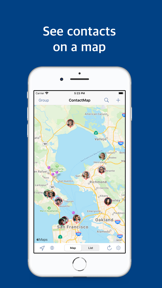


























Snapshot
Who is Youngwan Choi?
Providing specialized utility and fitness tools to help users organize personal libraries, track workouts, and manage professional data.
Target audience


Portfolio
Free 6Last updated

BookTree: bookshelf & note
v11.3.1
7mo ago
Publisher DNA
What defines Youngwan Choi?
Publisher DNA
Primary focus
Personal utility and fitness tracking tools
Scale
studio
Target audience
Individual users seeking specialized tools for library organization, automated fitness counting, and geographic contact management.
Origin
Operates under the Waneelab brand, developing mobile utilities since at least 2011.
Signature Patterns
- •Focus on automated tracking mechanics using proximity sensors and HealthKit integration
- •Utility-first design targeting narrow, specific use cases like full-page web capture or stock calculation
- •Hybrid monetization strategy utilizing both free-to-use models and upfront paid tiers
- •Disciplined maintenance of legacy applications with consistent updates across the entire catalog
Portfolio momentum
The publisher is in an intense development cycle with 13 updates across 11 apps in the last 6 months, maintaining a 100% active portfolio.
Portfolio
What does Youngwan Choi ship?
Apps
11 apps analysed

Use Bookshelf by VitalSource® for a comprehensive study experience.




Distributed across 6 markets, strongest in Europe.
Based on 2 of 11 apps with localized market data, more coverage rolling in as scans complete · last scanned .
Americas (1)
- United States2 / 2
Europe (3)
- France1 / 2
- Germany1 / 2
- Italy1 / 2
Asia-Pacific (2)
- South Korea2 / 2
- Japan1 / 2
Core markets (2/2 apps)
Rivals
Who does Youngwan Choi compete with?
The rivals identified
Nemeses(4)


Both apps target professionals managing contact networks, with Contacts+ competing for the same user base by offering automated organization features that overlap with the contact management utility of Contacts Map.


Both applications compete for the same health-conscious user base by providing automated activity tracking that integrates with Apple Health to monitor performance.


Both apps target the reading management market by offering free status-based tracking and note-taking capabilities for personal libraries.


Pedometer - Step Counter Maipo competes for the same health-conscious user base by offering automated activity tracking, creating a direct conflict for users seeking digital fitness management tools.
Contenders(22)


Both applications target fitness enthusiasts, but they serve distinct tracking needs: Pushupstar automates push-up counting via device sensors, while GymBook provides a manual logging interface for general strength training.


Both applications target users needing to visualize and manage address book data on a map, creating direct competition for territory management and location organization.


Both apps target the intersection of contact management and professional networking, though they prioritize different outcomes: geographic visualization versus relationship follow-up tracking.


Both apps target users managing address books, with Contaqs offering automated organization tools that overlap with the contact management utility provided by Contacts Map.


Both applications target fitness enthusiasts seeking automated workout tracking and performance analytics, though Pushupstar focuses on a single exercise while Gymverse provides broader training plans.


Both applications target the same user base by utilizing proximity sensors and camera input to automate push-up counting. They compete directly for users seeking automated workout tracking and performance measurement.


Both apps compete for the same daily fitness-tracking habit, targeting users who monitor physical activity through mobile sensors.


Both apps target fitness enthusiasts, but Home Workout captures the broader no-equipment audience while Pushupstar focuses on the specific niche of automated push-up tracking.


Both applications target users needing to visualize address book entries on a map, competing directly for the same utility-focused audience.


Both applications target sales professionals and individuals requiring address book visualization on maps, creating direct competition through overlapping contact-to-map integration features.


Both applications target reading management, but they diverge between BookTree's focus on individual library organization and the rival's specific workflow for multi-child household logging.


Both applications compete for the same fitness-focused user base by offering automated activity tracking and health data integration.


Both applications target fitness enthusiasts using Apple Health for workout logging, creating a direct overlap in the health-tracking utility space.


Both apps target sales professionals and field workers by visualizing address book data on a map, directly competing for the same user base seeking territory management tools.


Both applications target sales professionals and individuals by visualizing address book entries on a map interface. They compete directly for users seeking to manage contact locations and proximity.


Both applications target readers seeking to organize personal libraries and track reading progress, competing for the same user base through free reading management utilities.


Both apps target avid readers with free tools for library organization and reading progress tracking, creating direct competition for user attention in the reading management category.


Both apps target contact management, but Address Book competes by offering a free, privacy-focused alternative that avoids the cloud-syncing dependencies found in standard contact managers.


FitCoach generates tailored home workout routines, serving as a broader training solution for users who also track specific push-up metrics.


Both applications target bibliophiles seeking to manage personal libraries and track reading progress, competing directly for the same user base through free, feature-focused reading management tools.


Both applications target fitness enthusiasts by automating push-up counting via device hardware, creating direct competition for users seeking hands-free workout tracking.


Both applications utilize map interfaces to visualize address book data, competing for users who need to organize contacts by geographic location.
Same space(64)


Calo complements the bow routine by managing the dietary side of the user's health goals.


PulseSense offers granular tracking for chronic health conditions that may influence the user's ability to perform bow routines.


Bookshelf: Book Tracker & List competes with BookTree by integrating AI-driven discovery tools into the standard library management workflow.


Alpha Progression provides science-based strength training plans that complement the bow routine's focus on form and repetition.


Reading List competes with BookTree by offering a privacy-centric, offline-first approach that removes account registration barriers.


DailyStep encourages consistency in daily movement through challenges and goal tracking.


This app targets the same field sales demographic while adding route planning and expense tracking for professional workflows.


Gym Workout Tracker offers a broad exercise database for users who incorporate gym work with their bow practice.


BookBeat serves as a content-delivery platform that complements BookTree's tracking by providing the actual audio and ebook files.


Walk Master provides a simple, sensor-based daily activity log that complements the specific bow-counting utility.


NightWell monitors sleep patterns to ensure recovery after physical bow sessions.


Manobook focuses on serialized fiction, serving as an adjacent content platform rather than a general library manager.


CLZ Books provides a professional cataloging service that mirrors BookTree's metadata retrieval but targets serious collectors.


Cronometer provides precision-nutrition data for power users who track micronutrients alongside their physical training.


Daily Workouts provides quick home workout routines, serving as a general fitness companion for users who also track push-ups.

known for
NHS Active 10 encourages brisk walking as a supplementary activity for users focused on health goals.


Decathlon Coach provides guided coaching for various sports, acting as a secondary fitness resource for bow practitioners.


Bookology provides a visual-first alternative to BookTree, emphasizing skeuomorphic design and physical-style bookshelf organization.


This app expands on basic mapping by adding a dedicated sales dialer and mileage tracking for door-to-door professionals.


FITAPP offers outdoor activity tracking for users who balance bow routines with cardio.


Fitbod generates AI-driven workout plans, serving as a broader training tool for users who use Pushupstar for specific push-up sets.


Lose It! provides a massive database for users who need to track nutrition alongside their physical exercise routines.


Foodvisor provides a digital nutritionist experience for users managing diet alongside their physical training.


Goodreads serves as the primary discovery layer for the broader book market, acting as a social incumbent that BookTree users likely cross-reference for metadata.


Health Tracker provides clinical-style tracking for users who monitor heart rate and blood pressure alongside their bow practice.


Hevy provides a broader workout log for users who track specific bow routines alongside general weightlifting.


Hevy provides a social-first gym logging experience for users who prioritize broad strength training data over specific push-up automation.


Hybrid Calisthenics offers bodyweight progressions that align with the focus on form found in bow routines.


iCollect Books provides a cross-platform inventory tool that serves as a robust alternative for users managing large physical libraries.


BookBuddy offers a professional-grade alternative to BookTree, focusing on high-speed cataloging for collectors and classroom teachers.


Fitness Coach offers structured, goal-oriented training sessions that integrate with HealthKit for users who also track push-up performance.


This app provides similar geographic visualization for sales reps but adds CRM logging and AI email assistance.


This app offers a lighter location-based note-taking utility that complements the mapping focus of the source app.


Calorie Counter by Numify offers automated nutritional logging, serving as a companion tool for users tracking body composition alongside push-up performance.


MyFitCoach applies science-based strength training to personalized plans, serving as a broader training tool for users who also track push-ups.


Noom combines behavioral psychology with weight loss, serving as a comprehensive health platform for users who also track physical performance.


Calorie Counter + serves users who require high-accuracy nutritional data to support their fitness goals.


Pagebound offers a community-focused alternative to BookTree, prioritizing forum-based discussion over algorithmic discovery.


Margins appeals to the same audience as BookTree but adds specialized focus tools and semantic search to the tracking experience.


Seven provides time-efficient workout intervals, serving as a complementary tool for users who prioritize quick, high-intensity sessions.


Macadam gamifies physical activity through financial rewards, serving as a motivational tool for users who also track push-ups.


READO functions as a social-centric alternative to BookTree, emphasizing community discovery and shared reading experiences.


BitePal uses a gamified companion to reduce the cognitive load of nutrition tracking for users who also monitor physical performance.


This app focuses on the same field sales segment by adding AI-powered note-taking to route optimization.


Shotsy manages clinical medication schedules, serving as a specialized utility for users who also track physical fitness.


Book Tracker serves the same core utility as BookTree, focusing on Apple Watch integration and reading timer functionality.


RepCount provides a minimalist logging interface for strength athletes, serving as a direct alternative for users who prefer manual logging.


Bookshelf offers a direct alternative to BookTree with a focus on ease of use and batch processing for large collections.


StepsApp tracks general daily movement alongside the focused bow exercise sessions.


Stompers aggregates daily activity data via Health Connect, serving as a passive activity tracker for users who also track push-ups.


Storytel competes for the same user attention by offering a hybrid library that combines text and audio formats.


Strava serves as a centralized social network for endurance athletes, acting as a secondary hub for users who also track push-up performance.


Strong provides a minimalist logging interface for strength training, serving as a direct alternative for users who prefer manual logging.


Symmetry provides AI-driven body scanning to identify muscle imbalances that bow exercises might target.


TBR - Bookshelf provides a specialized rating system that allows for genre-specific metrics, appealing to readers who want more detail than BookTree.


This tool addresses the same field sales audience by adding route planning to existing contact and calendar data.


StoryGraph serves as a data-driven alternative to BookTree, focusing on statistical analysis and mood-based discovery rather than simple library management.


Bookmory competes with BookTree by gamifying the reading habit, though it uses a subscription model to gate data portability.


Bookly targets the same habit-tracking audience as BookTree but focuses on real-time session timers and predictive completion analytics.


Calz serves the nutritional tracking needs of users who use bow routines for weight management.


Zeopoxa tracks outdoor cardio for users who supplement their bow routines with running.


Beanstack Tracker targets the institutional market, providing a B2B-backed alternative to BookTree for schools and libraries.


Gymwork provides a platform for users to log gym routines alongside their bow practice.


This app targets the same field sales professional audience with additional check-in and color-tagging features for territory management.
New entrants(3)


SlowRead focuses on the aesthetic and intentional side of reading, offering a 2.5D bookshelf that contrasts with BookTree's utility-first design.


Blackauthored provides a niche discovery space, focusing on specific author demographics that BookTree does not explicitly address.


Workout Locker uses physical movement to unlock apps, providing a gamified incentive for users to complete their bow routines.
The Analyst's Read
The bottom line on Youngwan Choi
Bottom line
Youngwan Choi is a disciplined publisher that has successfully carved out a niche in the book management and fitness utility sectors. Their strategic value lies in a high-velocity maintenance cadence that preserves the utility of a decade-old portfolio while leveraging a single high-performing flagship.
Frequently asked questions
How many apps does Youngwan Choi publish?
What kind of apps does Youngwan Choi make?
What is Youngwan Choi's top app?
In how many countries are Youngwan Choi's apps available?
What fed this analysis
- Apps analyzed:
- 11
- With full intel:
- 0
- With overview:
- 11
- Website scraped:
- no
- Social presence:
- no
