


Maciej Targoni
For casual gamers seeking low-pressure, meditative experiences without ads or competitive scoring.
 "Klocki"







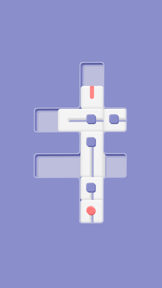












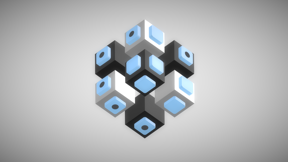

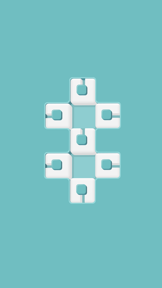
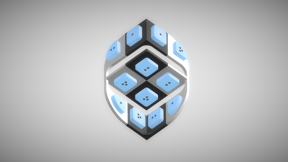


Snapshot
Who is Maciej Targoni?
Helping casual gamers unwind with minimalist, meditative puzzle experiences designed for stress-free play.
Target audience


Portfolio
Free 2Last updated

"Klocki"
v2.7
1.1y ago
Publisher DNA
What defines Maciej Targoni?
Publisher DNA
Primary focus
Minimalist puzzle games
Scale
studio
Target audience
Casual gamers seeking low-pressure, meditative experiences without ads or competitive scoring.
Origin
Founded by Maciej Targoni and operating under the Rainbow Train brand.
Signature Patterns
- •Strict adherence to minimalist, text-free UI and aesthetic design
- •Monetization via a premium 'paid' model without in-app ads or timers
- •Focus on meditative, ambient audio-visual environments
- •Consistent release of standalone puzzle titles rather than live-service updates
Portfolio momentum
Released 2 updates in the last 6 months with 5 active titles, maintaining a consistent but deliberate development cycle.
Portfolio
What does Maciej Targoni ship?
Apps
11 apps analysed


Ad-free model creates a clear value proposition
- Minimalist aesthetic and relaxing music create a meditative atmosphere that keeps players engaged during short sessions
- Lack of a level selector or progress tracker makes it difficult for players to replay specific puzzles


Distributed across 12 markets, strongest in Europe.
Based on 6 of 11 apps with localized market data, more coverage rolling in as scans complete · last scanned .
Americas (3)
- United States6 / 6
- Brazil3 / 6
- Mexico3 / 6
Europe (7)
- France3 / 6
- Germany3 / 6
- Portugal3 / 6
- Spain3 / 6
- Italy2 / 6
›+2 more europe markets
- Netherlands1 / 6
- Sweden1 / 6
Asia-Pacific (2)
- Japan3 / 6
- South Korea1 / 6
Core markets (6/6 apps)
User Sentiment
How do users feel about their apps?
1
Positive apps
0
Neutral / mixed
0
Negative apps
75/100
Avg sentiment score
Rivals
Who does Maciej Targoni compete with?
The rivals identified
Nemeses(4)


Hexio targets the same casual puzzle audience as HOOK by offering a minimalist aesthetic and logic-based gameplay, but it lowers the barrier to entry through a freemium pricing model.


Both apps target casual players seeking minimalist, logic-based spatial puzzles, creating a direct conflict between a premium, ad-free experience and a high-volume, ad-supported model.


Both apps compete for casual puzzle gamers through shared line-drawing mechanics, though they diverge on monetization and aesthetic philosophy.


Both apps target casual word-puzzle players, but they diverge on monetization and design philosophy: Overwords offers a paid, ad-free experience while Wordscapes relies on ad-supported, high-frequency gameplay.
Contenders(13)


Word Tiles targets the same low-pressure mental exercise segment as Klocki but uses a word-construction mechanic instead of spatial line puzzles.


Aligns with the minimalist puzzle aesthetic while providing long-term engagement through user-generated content.


Both apps target the minimalist puzzle category, competing for the same casual audience seeking meditative, low-pressure gameplay.


Both apps occupy the line connection puzzle category, targeting users seeking spatial logic challenges through minimalist gameplay mechanics.


Both apps target casual gamers through line-based spatial logic puzzles, competing directly for the same low-stress, brain-training session time.

known for Color Connect - Best puzzle line drawing game with 350+ free puzzles levels
Both apps compete for the same casual puzzle audience by utilizing line-drawing mechanics to solve spatial logic challenges. They overlap directly in the puzzle category, forcing a choice between a premium, ad-free experience and a content-heavy, ad-supported model.


Both apps target the casual puzzle market with a focus on relaxation, though they diverge on monetization and core mechanics.


Both apps target casual word-puzzle enthusiasts, competing for the same daily engagement time despite differing monetization models.


Both apps target casual puzzle players using line-connection mechanics, creating direct competition for time spent in short-session gaming.


Both apps target casual puzzle players seeking low-stress cognitive exercise, but they diverge on monetization and progression depth.


Both apps compete for the casual puzzle audience by utilizing single-stroke line-drawing mechanics as their core gameplay loop.


Both apps target the relaxing puzzle segment, competing for the same casual gaming time despite differing mechanics: word-stacking versus point-and-click object interaction.


Both apps compete for the paid word-puzzle audience, sharing a focus on vocabulary-based mechanics and a premium, ad-free pricing model.
Same space(64)


Amaze GO targets the same casual puzzle audience as Klocki but uses an arrow-escape loop and offline-first architecture.


Targets the same casual puzzle segment with a grid-based management loop.


This app targets the same casual logic-puzzle space using 3D board layouts to add depth to the core arrow-clearing mechanic.


CubeAway targets the same logic puzzle audience as Klocki but uses a hybrid of arrow-based removal and spatial sorting.


Zen Match shares the meditative puzzle intent of Klocki but utilizes a room decoration meta-game to drive long-term retention.


It occupies the same low-pressure puzzle space but focuses on a senior demographic through high-contrast UI design.


Jigsaw Drop targets the same relaxation-seeking audience as Klocki but introduces a dynamic falling tile system to differentiate its puzzle loop.


Vita Mahjong targets the same casual puzzle demographic as Klocki but uses a large-scale UI and offline capability to serve older adults.


Slices competes for the same commuter-focused casual puzzle segment as Klocki but adds competitive and collection meta-layers.


ZEN Block targets the same meditative puzzle audience as Klocki but uses tangram-based fitting mechanics.


Sand Blocks targets the same casual puzzle audience as Klocki but utilizes dynamic physics to differentiate its drop-puzzle mechanics.


Shares the premium, ad-free minimalist puzzle model while focusing on mechanical hook-and-puck interactions.


This app shares the meditative puzzle intent of No.9 while using a thematic ant-colony narrative to guide the user through sorting tasks.


It competes for the same meditative puzzle audience by integrating a plant-growth progression system into its sorting mechanics.


This app targets the same casual puzzle audience but uses an ad-supported model that contrasts with the premium, ad-free experience of HOOK 2.


This app targets the same casual puzzle audience but uses an ad-supported model that contrasts with the premium, distraction-free experience of HOOK 2.


Targets the same casual puzzle audience with a visually-oriented loop that contrasts with the word-stacking focus of Overwords.


This app competes for the same aesthetic-focused audience by blending block-sliding puzzles with a surreal narrative.


Tile Garden targets the same meditative puzzle audience as Klocki but adds decoration meta-layers to its matching loop.


This app targets the same casual puzzle audience with an offline-first logic loop that shares the meditative focus of HOOK 2.


Onet 3D targets the same casual puzzle audience as Klocki but uses 3D-modeled tiles to differentiate its matching experience.


Hexologic targets the same logic puzzle audience as Klocki but uses a hexagonal grid to adapt Sudoku mechanics.


Targets the same meditative puzzle audience through minimalist design but lacks the monetization to sustain active development.


Appeals to casual players looking for repetitive logic challenges for relaxation.


This app offers a similar 3D puzzle experience but uses a free-to-play model that lacks the ad-free, premium focus of HOOK 2.


This app shares the focus on relaxing, offline-capable puzzle experiences found in No.9, using tactile feedback to enhance the jigsaw assembly process.


Shares the paid model of Overwords but targets a different simulation-strategy audience rather than word-puzzle enthusiasts.


Targets the same minimalist logic-puzzle audience but uses an ad-supported model that contrasts with the source app's premium nature.


Shares the paid puzzle space but focuses on spatial reasoning and dimension-switching rather than word-stacking.


Targets the same casual puzzle audience but aggregates multiple genres into a free, ad-supported platform that contrasts with the premium, ad-free focus of Overwords.


Line Drawing targets the same spatial logic audience as Klocki but focuses on a single-stroke constraint to differentiate its gameplay.


Shares the premium, ad-free model of Overwords but focuses on perspective-shifting mechanics rather than word-stacking.


Provides an infinite logic-puzzle experience for the same casual demographic, though it lacks the commercial focus of the source app.


Targets the same casual grid-based puzzle audience but utilizes an ad-supported model that creates churn risks.


This app targets the same casual logic-puzzle space using 3D board layouts to add depth to the core arrow-clearing mechanic.


Mahjong Match Pair targets the same meditative puzzle audience as Klocki but uses a tile-matching format.


Flow Water Fountain targets the same logic puzzle audience as Klocki but uses pipe-based pathfinding mechanics.


Logic Detective Games targets the same brain-training demographic as Klocki but focuses on narrative-driven deduction puzzles.


This app targets the same casual puzzle demographic but relies on an ad-heavy model that contrasts with the premium, ad-free nature of HOOK 2.


Targets the same casual puzzle audience with an offline-first sorting mechanic that contrasts with the word-stacking focus of Overwords.


This app serves the same offline, ad-free puzzle market as No.9, offering a variety of number-based logic modes.


This app targets the same meditative puzzle market as No.9 but differentiates through integration with wearable platforms.


Brain Puzzle 3 offers a brain-teaser alternative to PUSH by focusing on fast, varied, and humorous logic challenges.


Shares the paid, ad-free, minimalist puzzle space but focuses on portal-clearing mechanics rather than word-stacking.


Crowns targets the same logic puzzle audience as Klocki but focuses on daily challenges to drive recurring engagement.


Offers a strategy-based puzzle experience for the same casual demographic without time pressure.


Targets casual puzzle gamers seeking stress-free, offline-capable entertainment.


Shares the paid, relaxing, ad-free puzzle space but focuses on curve geometry rather than word-stacking.


Targets the same casual puzzle audience but uses a free, ad-supported model that contrasts with the paid, ad-free focus of Overwords.


Offers a 3D assembly puzzle experience that appeals to the same meditative puzzle-solving demographic.


Shares the premium, ad-free model of Overwords but focuses on match-3 mechanics rather than word-stacking.


This app shares the focus on calm, interruption-free puzzle play found in No.9, specifically targeting users who want to avoid forced advertisements.


Shares the paid, minimalist puzzle space but focuses on sliding block mechanics rather than word-stacking.


This app aligns with No.9's stress-free, non-competitive design philosophy by removing timers from its block-clearing logic puzzles.


This app targets the same casual puzzle audience with a high-contrast, maze-solving experience that requires no internet.


Appeals to the same minimalist puzzle audience through a distraction-free design and tactile feedback.


Provides a similar minimalist logic challenge for casual users but suffers from monetization friction.


This app targets the same casual puzzle audience but uses an ad-supported model instead of the premium, ad-free approach of HOOK 2.


It shares the meditative, low-pressure focus but differentiates through an environmental puzzle theme centered on water erosion.


Extends the 3D puzzle experience into platforming, targeting the same casual puzzle-solving audience.


Shares the abstract, meditative puzzle focus for casual gamers.


Stack Smash provides a relaxing, physics-based alternative to PUSH by focusing on satisfying destruction mechanics.


This app shares the casual puzzle focus but uses ASMR-style tactile feedback to drive its sorting loop.


This app shares the logic-puzzle focus of No.9, using a dog-themed grid mechanic to offer a cozy, deduction-based experience.
New entrants(6)


Offers a minimalist logic-puzzle experience for the same casual demographic, focusing on deduction rather than speed.


This app targets the same logic-puzzle audience by using a cat-themed sorting mechanic to provide a quiet, brain-training experience.


Provides a similar relaxing, visually-oriented puzzle experience for casual players.


This app shares the premium, ad-free, and minimalist design intent of No.9, focusing on a satisfying, high-quality block-clearing experience.


Stack Smash provides a relaxing, physics-based alternative to PUSH by focusing on satisfying destruction mechanics.


Arrow Line targets the same meditative puzzle audience as Klocki but focuses on sensory feedback and maze navigation.
The Analyst's Read
The bottom line on Maciej Targoni
Bottom line
Targoni is a well-positioned indie publisher with a strong brand moat built on 'zen' puzzle mechanics and premium pricing. Their weighted 4.63★ rating signals exceptional product-market fit among users seeking high-quality, distraction-free experiences.
Frequently asked questions
How many apps does Maciej Targoni publish?
What kind of apps does Maciej Targoni make?
What is Maciej Targoni's top app?
In how many countries are Maciej Targoni's apps available?
What fed this analysis
- Apps analyzed:
- 11
- With full intel:
- 0
- With overview:
- 11
- Website scraped:
- yes
- Social presence:
- yes