


Burny Games
For casual mobile gamers seeking relaxing, brain-training experiences with a tactile or 'cozy' aesthetic.
 Colorwood Sort Puzzle Game






Snapshot
Who is Burny Games?
Providing casual gamers with tactile, meditative puzzle and word games designed for mental stimulation and relaxation.
Target audience


Portfolio
Free 18Last updated

Colorwood Sort Puzzle Game
v5.7.25360
6mo ago
Publisher DNA
What defines Burny Games?
Publisher DNA
Primary focus
Mobile games · puzzle and word categories
Scale
studio
Target audience
Casual mobile gamers seeking relaxing, brain-training experiences with a tactile or 'cozy' aesthetic.
Signature Patterns
- •Consistent 'Colorwood' visual branding featuring wooden textures and tactile haptic feedback.
- •Hybridization of classic puzzle mechanics, such as Sudoku-block puzzles and image-based cryptograms.
- •Freemium monetization model primarily supported by ads with in-app purchases for hints and ad removal.
- •High-velocity release cadence with frequent updates across the entire active portfolio.
Portfolio momentum
Released 25 updates across 10 active apps in the last 6 months, maintaining a high-frequency development and maintenance cycle.
Portfolio
What does Burny Games ship?
Apps
18 apps analysed

Group words by category and solve relaxing association puzzles in a word game!


Minimalist zen-focused aesthetic differentiates from high-pressure grid puzzles
- Challenging word association puzzles provide a satisfying mental workout for daily players
- Aggressive ad frequency and forced mid-level interruptions degrade the core gameplay experience

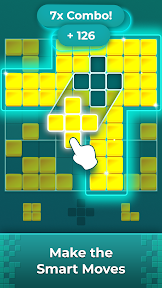
Engage in strategic wood block puzzles: Wooden aesthetics meet sudoku


Minimalist design reduces cognitive load
- The core block arrangement gameplay provides a satisfying mental challenge that keeps players engaged for hours
- Technical instability causes the application to freeze and stop responding during high level gameplay sessions

Minimalist design reduces visual fatigue
- Satisfying block-placement mechanics provide a relaxing and mentally stimulating experience for casual puzzle players
- Frequent interstitial ads disrupt the flow of gameplay and occasionally obscure the active board area
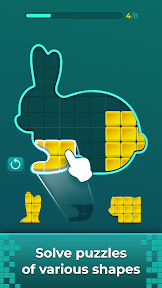
Match blocks by color, solve, and sort! Enjoy woody color sort puzzle!


Hundreds of levels provide long-term content gating
- Relaxing puzzle mechanics provide a calming experience for players during downtime
- Excessive ad frequency disrupts the flow of gameplay after the latest update

Visual design and graphics are consistently cited as high quality and visually appealing for daily play
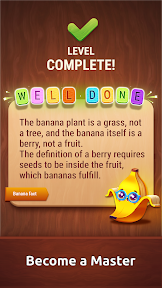
- The core cryptogram puzzle mechanics provide a mentally stimulating and rewarding experience for word game enthusiasts
- Frequent and intrusive ad breaks during active gameplay sessions disrupt the flow and frustrate long-term players
Distributed across 20 markets, strongest in Europe.
Based on 10 of 18 apps with localized market data, more coverage rolling in as scans complete · last scanned .
Americas (4)
- United States10 / 10
- Mexico4 / 10
- Brazil3 / 10
- Canada3 / 10
Europe (9)
- Germany6 / 10
- Spain4 / 10
- Turkey4 / 10
- United Kingdom4 / 10
- France3 / 10
›+4 more europe markets
- Netherlands3 / 10
- Portugal3 / 10
- Italy2 / 10
- Sweden2 / 10
Asia-Pacific (7)
- India4 / 10
- Indonesia4 / 10
- Japan4 / 10
- Singapore4 / 10
- Vietnam4 / 10
›+2 more asia-pacific markets
- Australia3 / 10
- South Korea3 / 10
Core markets (10/10 apps)
User Sentiment
How do users feel about their apps?
6
Positive apps
6
Neutral / mixed
2
Negative apps
57/100
Avg sentiment score
Unlock the app dragging this portfolio down.
Access the full report for freeRivals
Who does Burny Games compete with?
The rivals identified
Nemeses(8)


Both apps compete for the same casual card game audience, but the rival captures revenue through a $1.99 monthly subscription tier while the source app lacks a paid ad-free option.


CodyCross dominates the word-association category with a massive, established user base and a consistent release cadence that directly competes for the same puzzle-solving audience.


This app dominates the exact emoji-association puzzle niche with a massive, established user base and high-frequency update cadence.


Dominates the 'wood-themed' puzzle niche with nearly 500k reviews and a high-frequency release cadence.


Dominates the word-puzzle category with massive scale and a proven, high-frequency update cadence.


Both apps target the casual puzzle segment with grid-based block mechanics, competing for the same short-session downtime usage.


Both apps compete for the same casual puzzle audience by offering grid-based block clearing mechanics, but Block Blast! captures higher engagement through its offline-first architecture.


This app holds the largest market share in the traditional jigsaw category and maintains a consistent update cadence to defend its massive user base.
Contenders(35)


A major player in the riddle-based puzzle space that competes for the same casual, short-session user base.


Serves the same 'relaxing puzzle' audience despite the shift from word-based to image-based mechanics.


Both apps target casual puzzle enthusiasts with grid-based mechanics, competing for the same short-session attention span.


Both apps compete for casual puzzle players by offering ad-supported solitaire mechanics, creating direct conflict for user attention and session time.


Both apps target casual card game players seeking relaxation, competing for the same time-share in the puzzle category through ad-supported free-to-play models.


Both apps compete for the same casual puzzle audience by offering relaxing card-matching mechanics, creating direct conflict for daily active time within the same category.


Both apps target the casual brain-training puzzle segment with grid-based mechanics, competing for the same time-constrained user base.


Both apps target the casual puzzle segment with grid-based block mechanics, competing for the same time-share in the free-to-play puzzle category.


Both apps target the casual puzzle demographic with grid-based block placement mechanics, competing for the same short-session attention span.


Operates in the adjacent art-focused puzzle space, appealing to a similar demographic of creative-minded users.


Both apps compete for the same casual solitaire audience, vying for the same mental-break time slots through distinct approaches to card-matching mechanics.


Both apps target the casual block-puzzle segment with free-to-play models, competing for the same user base seeking brain-training mechanics.


Both applications target casual card game players by layering visual progression mechanics over traditional solitaire gameplay to drive engagement.


Both apps compete for the same casual solitaire audience, forcing users to choose between sensory-driven rewards and classic, feature-rich card mechanics.


Both apps compete for the same casual gaming audience by offering solitaire card mechanics on mobile platforms.


Both apps target casual puzzle players with card-matching mechanics, competing for the same time-limited mental break sessions.


Directly competes for the same casual sorting audience with a proven, high-scale retention model.


The foundational benchmark for the sorting genre with over 1.3 million reviews.


Both apps target casual puzzle gamers using grid-based block placement mechanics. Color Block: Combo Blast directly addresses the offline-play gap that causes friction for users of Playdoku: Block Puzzle Game.


Provides a specialized experience that competes directly for the attention of dedicated puzzle solvers.


Captures the 'aha' moment audience with a focus on lateral thinking and trick-based riddles.


Both apps compete for the same casual card-game audience by utilizing ad-supported models to monetize short, daily mental-break sessions.


Both apps target the casual block-puzzle demographic with free-to-play, ad-supported models, directly competing for the same low-stress, brain-training user base.


A direct competitor in the classic jigsaw space that maintains high visibility through consistent platform presence.


Both apps target casual puzzle players with minimalist block-matching mechanics, competing for the same low-stress, downtime-focused user segment.


Both apps target casual gamers seeking short, brain-training sessions, creating direct competition for the same downtime-focused user segment.


A direct thematic competitor with a strong release cadence and high-quality production values in the emoji-guessing space.


Both apps target casual players in the card game category, competing for time spent on logic-based progression.


Both apps compete for the same casual solitaire demographic, vying for the same time-limited mental break sessions through overlapping card-matching mechanics.


Combines board clearing with a limited tray system, requiring the same type of foresight and planning.


Both apps target the casual puzzle segment with 9x9 grid-based mechanics, competing for the same time-budget of players seeking brain-training challenges.


Both apps compete for the same casual puzzle audience by offering card-based gameplay as a primary mental break mechanism.


Both apps target casual puzzle players through block-based mechanics, competing for the same time-share in the low-stress puzzle category.


High-velocity release schedule and massive scale make this a direct threat in the casual word-puzzle space.


With nine releases in the last six months, this developer demonstrates a high-velocity product strategy that keeps the app relevant.
Same space(35)


Operates in the adjacent art-focused puzzle space, appealing to a similar demographic of creative-minded users.


This app occupies the same logic-puzzle space but focuses on abstract card-based problem solving instead of the visual, media-integrated gameplay found in the source app.


Strong competitor in the word-puzzle space with a focus on seasonal content and aesthetic variety.


It shares the same casual puzzle audience while offering advanced grid variations to retain power users.


It targets the same brain-training demographic as Colorwood Blocks by offering a logic-based alternative to block sorting.


Directly competes for the block-puzzle audience by offering a tactile, no-timer sorting experience that avoids high-pressure mechanics.


Engages casual puzzle players with a logic-based sorting loop that focuses on ASMR-inspired visual satisfaction.


Directly competes for the same casual word-puzzle audience with a focus on block-based mechanics.


This title competes for the same casual card-game audience by offering a social, multiplayer phase-based experience that contrasts with the single-player video-matching focus of the source app.


This app offers a minimalist Freecell alternative for users seeking a distraction-free experience without modern live-ops.


Targets the same casual puzzle demographic but adds a social layer to differentiate its mahjong-inspired matching gameplay.


It competes for the same casual physics-puzzle audience by using logic-based shape assembly.


This app competes for the same casual puzzle audience but uses dynamic obstacles to increase ad-impression inventory.


It targets the same puzzle-solving audience by blending classic grid logic with detective-themed mystery elements.


Targets the same brain-training audience as Playdoku by combining traditional crossword grids with Scandinavian-style puzzle elements.


This app targets the same casual puzzle segment by blending multiple card-game styles into a grid-based format that emphasizes high-score chasing over video-matching.


A high-performing word game that shares the same category and broad casual audience appeal.


The gold standard for word-association puzzles, serving as the primary benchmark for the broader puzzle category.


This app shares the casual card game space but uses a 40-year brand heritage to drive user acquisition.


This title shares the card-puzzle category but shifts the focus to spatial poker-hand construction on a hexagonal grid rather than video-fragment matching.


Provides a short-form, addictive puzzle experience that competes for the same downtime-filling casual audience as Playdoku.


Captures the same relaxation-seeking audience through a broader collection of tactile, stress-relief mini-games.


Offers a similar relaxing, triple-match puzzle experience for casual players looking to unwind during short breaks.


This app targets the same casual brain-training audience through a similar grid-based puzzle format.


This app provides a competitive, fast-paced card game that relies on shedding mechanics rather than the observational video-matching logic of the source app.


A high-retention puzzle game that competes for the same 'slow down and think' casual gaming time.


Targets the same casual puzzle demographic by offering a logic-based sorting challenge in an aquarium-themed environment.


This app serves as a physical-to-digital bridge for card-based logic puzzles, requiring external physical decks that the source app does not necessitate.


It addresses the same casual puzzle market with a focus on grid-based logic and progression tracking.


This app targets the same casual card demographic but captures users in low-connectivity environments through offline-first play.


This physics-based puzzle shares the same casual, grid-filling objective as Colorwood Blocks.


A dominant force in the tricky puzzle genre, capturing the same casual audience looking for brain-teasing content.


This app serves the same casual brain-training audience with a classic number-based grid puzzle.


This game serves the broader card-game market by offering a traditional trick-taking experience that relies on historical Jass-family rules rather than puzzle-based video mechanics.


This app competes for the same puzzle-card audience by using a branching map and relic system to structure progression, contrasting with the source app's video-completion loop.
New entrants(5)


This app offers a complex, strategy-heavy card expedition that contrasts with the source app's relaxing, visual-focused video-matching gameplay.


A recent entrant that is rapidly gaining traction by focusing on the specific cryptogram sub-genre.


This title uses match-three mechanics to form poker hands, appealing to the same puzzle-loving audience but utilizing a different core interaction loop.


A recent entrant from a major developer that signals a renewed focus on high-quality word-based puzzle experiences.


Rapidly growing presence with 20 releases in six months, targeting a specific demographic that overlaps with the target's 'slow down' audience.
The Analyst's Read
The bottom line on Burny Games
Bottom line
Burny Games is a high-velocity studio successfully scaling a 'Colorwood' brand ecosystem by applying a consistent aesthetic to diverse puzzle mechanics. Their ability to maintain a 4.52★ weighted rating across nearly 900K reviews indicates a highly effective and repeatable product formula.
Frequently asked questions
How many apps does Burny Games publish?
What kind of apps does Burny Games make?
What is Burny Games's top app?
In how many countries are Burny Games's apps available?
What fed this analysis
- Apps analyzed:
- 10
- With full intel:
- 9
- With overview:
- 10
- Website scraped:
- yes
- Social presence:
- no